[pageLogInLogOut]

#Recycling / Circular Economy

Rieter and Recover: Cooperation in the field of recycling
© 2023 Rieter
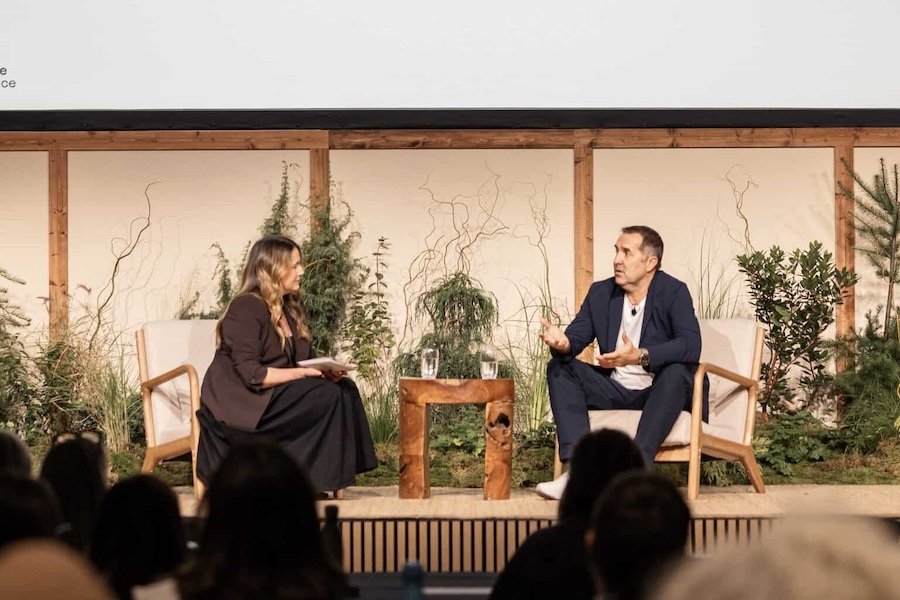
International governments and downstream consumers call for greater cooperation in the textile industry for a circular economy. It is becoming more significant to make a combined effort with other major stakeholders in different areas to respond to the increasing demand for transition.

Rieter and Recover agreed to join hands for technological advancements and research projects in the field of recycling. Both parties will work together to conduct trials and initiatives with various recycled raw materials and blends to build a solid foundation for textile circularity.

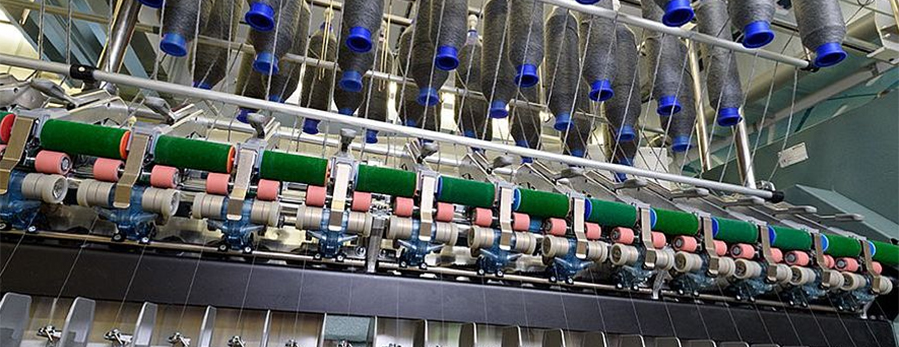
Rieter has high competence in customized spinning systems for staple fibers including recycled materials and Recover has developed its expertise in processing and applying high-quality recycled fibers. Both parties are expected to create synergies by improving the processing of pre-and post-consumer recycling materials.
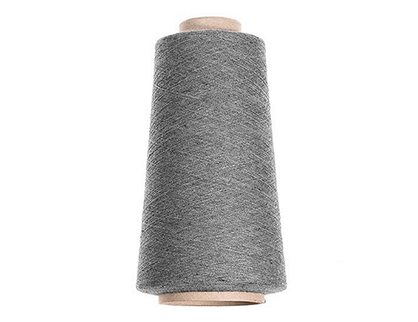
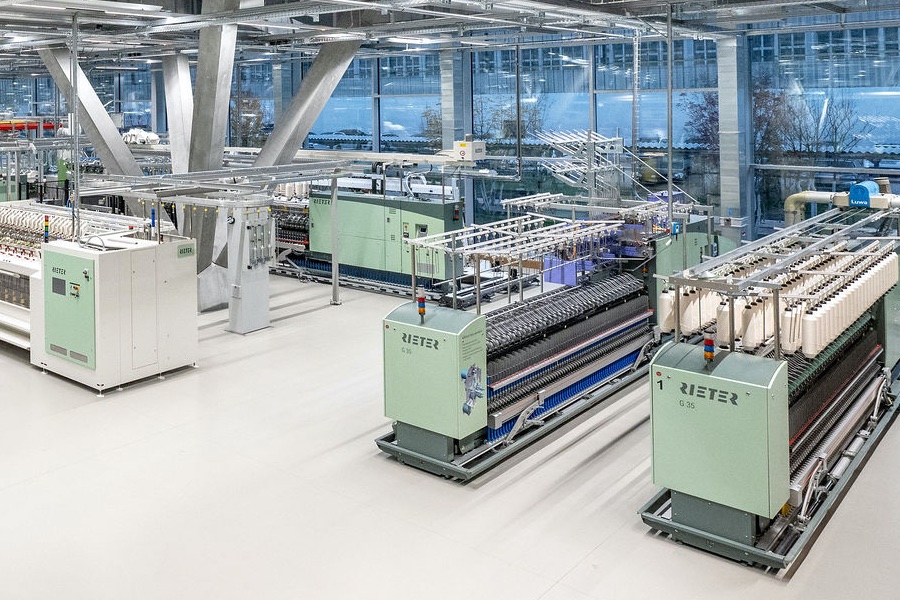
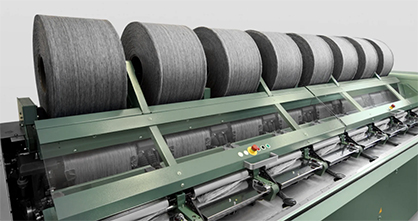
In a trial, high-quality yarn was produced with recycled material from Recover with Rieter ring spinning machines. © 2023 Rieter


Recover™ and Rieter partner to reshape sustainable textiles

This joint cooperation is betting on ambitious research that hopes to increase the availability, applicability and use of recycled textiles as raw materials.

Agents of change: investing in the future of recycled fibers

Potential new blends

Rieter and Recover™ have joined hands to develop technological advancements and research projects in the field of recycling. Both parties are working together to conduct trials and initiatives with various recycled raw materials and blends to build a solid foundation for textile circularity.

Specifically, they are working to amplify Recover's catalogue of blends, Recover announced in the press release. The challenges lie in mechanically recycling diverse fabrics without sacrificing the integrity of the resulting fiber.

New horizons for post-consumer textile waste

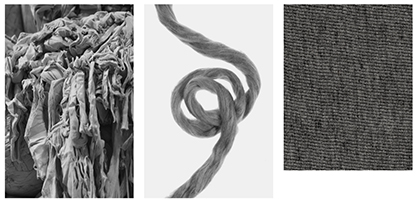
Most of the textile waste Recover currently recycles is either post-industrial or pre-consumer as both are easier to sort – by composition and by color. Post-consumer waste, on the other hand, is more challenging as pieces’ composition varies widely (from 100% cotton to cotton/polyester blends and rayon).
© 2023 Rieter
© 2023 Rieter


With Rieter, Recover hopes to change that. They’re working side by side to be able to scale the recycling of post-consumer textiles and still produce the highest-quality recycled fiber.


Rieter has high competence in customized spinning systems for staple fibers including recycled materials and Recover™ has developed its expertise in processing and applying high-quality recycled fibers. Both parties are expected to create synergies by improving the processing of pre-and post-consumer recycling materials and to extending the scope of use of recycled fibers with improved processes and machines.

Improved traceability

Rieter and Recover™ are collaborating with 3rd parties such as universities to verify how much recycled fiber is left in the yarn when applying new processes. This collaboration is expected to help the textile industry enhance the competence of verifying real recycled material usage.
© 2023 Rieter
© 2023 Rieter


Promising alliances for a promising future

"We’re excited to see where this cooperative research takes us. We’re thrilled to continue working alongside Rieter as we work towards a circular textiles future", Recover said in a statement.


More News from Rieter Textile Systems

#Spinning

Rieter adjusts group structure in preparation for Barmag integration

The planned acquisition of the “Barmag” Division of OC Oerlikon will create the leading system provider worldwide for natural and man-made fibers. Rieter is confident it will receive all regulatory approvals to complete the acquisition in the fourth quarter of 2025. The Rieter Group is therefore adjusting its Group structure as of January 1, 2026, to take this acquisition into account and to be able to provide an even more agile response to market challenges.

#Spinning

Rieter reports stable order backlog and strategic progress – outlook for 2025 adjusted

In its Investor Update 2025, Rieter announced an order intake of CHF 203.9 million in the third quarter and CHF 559.3 million after nine months, reflecting a continued cautious investment climate in the textile machinery sector. Sales totaled CHF 121.5 million in the third quarter and CHF 457.7 million for the first nine months of the year, while the order backlog stood at around CHF 590 million as of September 30, 2025.

#Spinning

Rieter announces successful completion of rights issue

Rieter Holding Ltd. has successfully completed its rights issue: 99.06% of subscription rights were exercised by the end of the subscription period on October 1, 2025. The remaining shares will be placed on the market.

#Spinning

Rieter shareholders approve capital increase to finance Barmag acquisition

Rieter Holding Ltd. has published the final details for today’s Extraordinary General Meeting (EGM) and subsequently received shareholder approval for all proposals put forward by the Board of Directors.

More News on Recycling / Circular Economy

#Recycling / Circular Economy

Advanced Recycling Conference 2025 fuels innovation across key waste streams

The Advanced Recycling Conference (ARC) 2025 brought together nearly 220 experts from 28 countries to spotlight pioneering advancements and foster industry collaboration in recycling across diverse waste streams including plastics, textiles, automotive and other materials.

#Recycling / Circular Economy

ADVANSA launches ADVA®tex: A new step toward textile-to-textile recycling

ADVANSA has introduced ADVA®tex, a new filling fibre made entirely from recycled pre-consumer textile waste, positioning the material as a significant step forward in textile-to-textile (T2T) recycling. The fibre is designed for use in duvets, pillows, mattresses, and furniture applications and is available in three versions.

#Recycling / Circular Economy

European research project addresses textile waste through integrated recycling technologies

A major European research initiative coordinated by Fraunhofer UMSICHT has been launched to develop integrated solutions for textile waste recycling. The AUTOLOOP project aims to create a comprehensive system that could process 1.24 million tonnes of textile waste annually by 2050, whilst potentially creating over 130,000 green jobs across the EU. This project aims to develop, test and integrate automated sorting, tracing, and closed-loop recycling technologies for polyester-based textiles (NRT), addressing the pressing challenge of textile waste management.

Latest News

#Associations

Young researchers recognised for cutting-edge work in recycling, fibre technology and textile mechanics

At the Aachen-Dresden-Denkendorf International Textile Conference held in Aachen at the end of November, Peter D. Dornier, Chairman of the Walter Reiners Foundation of the VDMA, honoured five successful young engineers. Promotion and sustainability prizes were awarded in the categories bachelor/project theses and diploma/master theses. Academic theses that develop solutions for resource-saving products and technologies, for example, are eligible for the sustainability awards.

#Dyeing, Drying, Finishing

Navis TubeTex announces U.S. partnership with Icomatex

Navis TubeTex, a global leader in advanced dyeing and finishing machinery solutions, is pleased to announce a new partnership with Icomatex (www.icomatex.com), a respected European manufacturer of high-quality stenters and textile finishing equipment. Under this agreement, Navis TubeTex will exclusively represent the Icomatex stenter line in the United States.

#Knitting & Hosiery

KARL MAYER celebrates 35 years of EL pattern drive

KARL MAYER is celebrating an anniversary this year: on 30 November 1990, the first warp knitting machine with electronic guide bar control, the KS 4 EL, was delivered – another milestone for patterning. As early as 1980, the SU gearbox with the MRS42SU had initiated the transition from mechanical chains to digital data.

#Research & Development

The region of renewable raw materials: Central German Alliance for Bioplastics

The development of sustainable plastic solutions is rapidly gaining importance in light of global environ- mental pollution, dwindling fossil resources and ambitious climate protection targets. As part of the re- gional alliance RUBIO, which brings together 18 partners from central Germany and the Berlin-Branden- burg area, the bio-based and biodegradable plastic polybutylene succinate (PBS) was comprehensively investigated, starting with the raw material, through the manufacturing process, to industrial application.

TOP