[pageLogInLogOut]
USTER Think Quality

#Spinning

Quality Expert: the operators’ and managers’ favorite

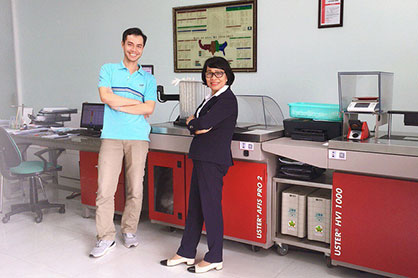
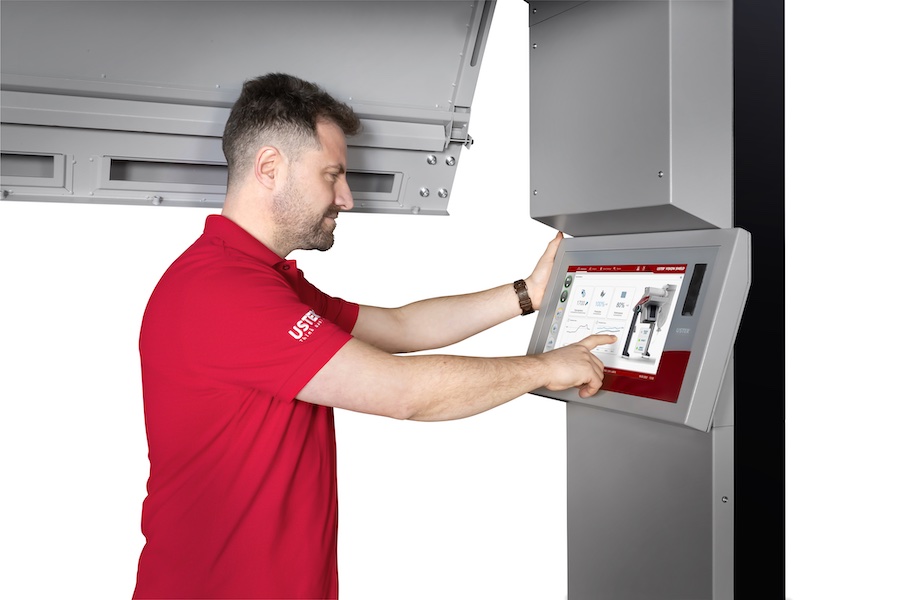
Looking for vital information in a busy textile mill can be quick and easy – or a tedious job, turning minutes into hours. Heavy e-mail traffic can just add to the burden. That’s why leading Vietnamese producer Hoa Tho Textile chose Uster Quality Expert, to give fast access to centralized key data and drive major efficiency benefits.

Uster’s Quality Management Platform makes a huge different to shopfloor personnel

Founded in 1962, Hoa Tho is part of one of Vietnam’s largest and longest-established textile and garment enterprises. Operating a number of mills, the company wanted to ensure that quality standards were equal across all of them – and equally high, to serve customers in demanding markets such as the USA, Europe, Japan and South Korea. So quality management must be comprehensive, including data from different locations as well as various instruments and systems, for quick reports and smart analysis. 
© 2022 Uster
© 2022 Uster


One-stop quality data

Uster Quality Expert is the Quality Management Platform for advanced process optimization across yarn manufacturing processes. A single system provides full transparency and complete control, securing fiber, yarn and fabric quality. All information is in one place – definitely a valuable benefit of Quality Expert. Hoa Tho connected its Uster AFIS Pro 2, Uster Tester 6, Uster Tensojet 5 and Uster Quantum 3 yarn clearers to this one system.

With Quality Expert in place, the mill managers now have a common reference to compare quality levels in each mill. They can now access quality information very easily. Previously more time was needed to create quality reports, which were then distributed by email. “The information took too long to reach the right people and was not always up to date. Now, the latest quality results are available in real time and any required action can be taken immediately,” says Nguyen Huu Khanh, Manager of the Yarns Technology Department at Hoa Tho Textile.

The all-round view

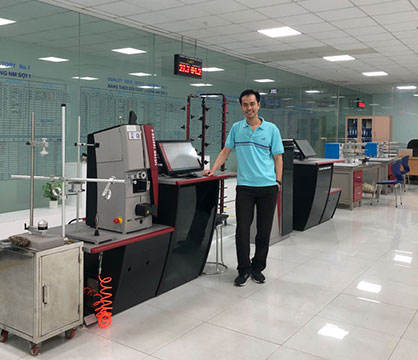
Connecting to Uster Quality Expert is the route to effective all-round process optimization in textile mills. The system expands its insightful analytics with valuable intelligence, as each additional instrument is connected. It is the ultimate Quality Management Platform to drive consistent quality in every part of the spinning process. That’s what decided the Vietnamese spinning mill to invest. “It is very important for us to control the quality in yarn clearing in combination with the quality results from blowroom, carding and roving,” says Nguyen. With Quality Expert, a combination of 100% in-line monitoring, precise laboratory testing and integrated intelligence delivers the power to predict potential faults and prevent claims.

Data-based preventive measures are a tremendous asset in yarn production, but Uster observes that customers also greatly appreciate the single Value Modules of Quality Expert. Each of these five modules is based on Application Intelligence, offering advantages in specific fields.


The Alarm Center creates awareness and triggers action – with problem-solving suggestions – in case of issues. Mill Analysis offers insightful analytics for data-based decisions, and Yarn Prognosis raises the spinner’s reputation to a new level with customers. The ‘star’ elements among the Value Modules are Total Contamination Control and Ring Spinning Optimization. TCC balances ejections in the blowroom with clearer cuts in winding in the most advanced way. RSO brings improved spinning performance with quality transparency from top to bottom of the cop.
© 2022 Uster
© 2022 Uster


Feelgood: efficiency and control

Nguyen has a secret favorite among Uster Quality Expert benefits: “The Uster Mobile Alert App is a great tool to access information while on the road, or away from the spinning mill. The personnel and I can be notified, and so solve most issues faster on the shopfloor. Our mill management has better control and this results in fewer problems needing to be escalated to me,” he says.

The Quality Management Platform was developed for decision-makers – but the biggest fans are actually the operators and managers working with the system on a daily basis. “Personally, I have a better view of the quality produced in our mills, while spending less time to get the information I need. I would not want to go back to the era before Quality Expert at any price,” says Nguyen.

Uster Quality Expert comes in two distinct versions – both with no compromises in ultimate analysis. It’s integrated within Uster Tester 6 and also available as a standalone solution.
More News from Uster Technologies AG

#India ITME 2026

Uster to present novel solutions at India ITME 2026

Tackling contamination is a critical quality target in yarn production – and Uster now enables spinners to make the right choices for optimized profitability, with top technology, precise data and integrated analysis across the entire process. The new Uster Contamination Control solution and latest Uster Vision Shield 3i put spinners in command of contaminant removal, ensuring yarn quality, minimizing waste and protecting profits. These exciting developments – and even more news – will be featured at India ITME 2026.

#Recycled Fibers

Driving circularity with Uster Recycled Fiber Matrix

The textile industry’s commitment to circularity continues to accelerate, and mechanical recycling is viewed as a targeted approach to cutting textile waste and its environmental impact. At the forefront of this drive, Uster has developed the Recycled Fiber Matrix, a two-dimensional assessment of mechanically recycled fibers to guide optimum processing and end-uses.

#ITM 2026

Uster’s new Recycling Opening Index guides spinners to the perfect blend

Uster AFIS 6 now offers the key data for better decisions when blending recycled fibers. Process control is decisive in determining the quality and economic outcome. The new R Recycling Module of AFIS 6 introduces the Recycling Opening Index (ROI), so spinners can optimize their circularity credentials. It was officially launched at ITM 2026 in Istanbul, Türkiye.

#Spinning

Measure and control the fiber – optimize yarn quality

Producing consistent yarn quality is an everyday challenge – and a very difficult one. Detailed knowledge and understanding of the fiber raw material is absolutely critical to achieving the best possible quality in the yarn. To help spinners, Uster experts have put together guidelines for avoiding yarn irregularity claims, in a special edition of the Uster News Bulletin.

More News on Spinning

#Spinning

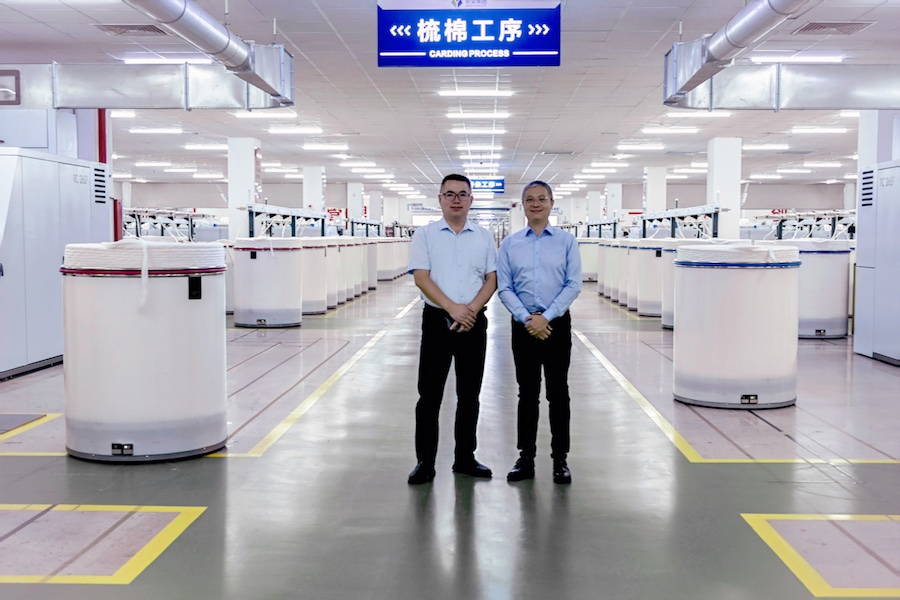
Trützschler's T-CAN reduces labor requirements by over 60% at Chinese spinning mill

Across the textile industry, mills are looking for ways to reduce labor dependency while maintaining full control of their production processes. However, manual can transport between spinning preparation machines often remains labor-intensive and prone to human error. To address this challenge, Trützschler developed T-CAN. The automated can transport system connects carding and drawing processes as well as drawing passages, ensures reliable material flow and reduces the need for manual intervention.

#ITMA Asia + CITME 2026

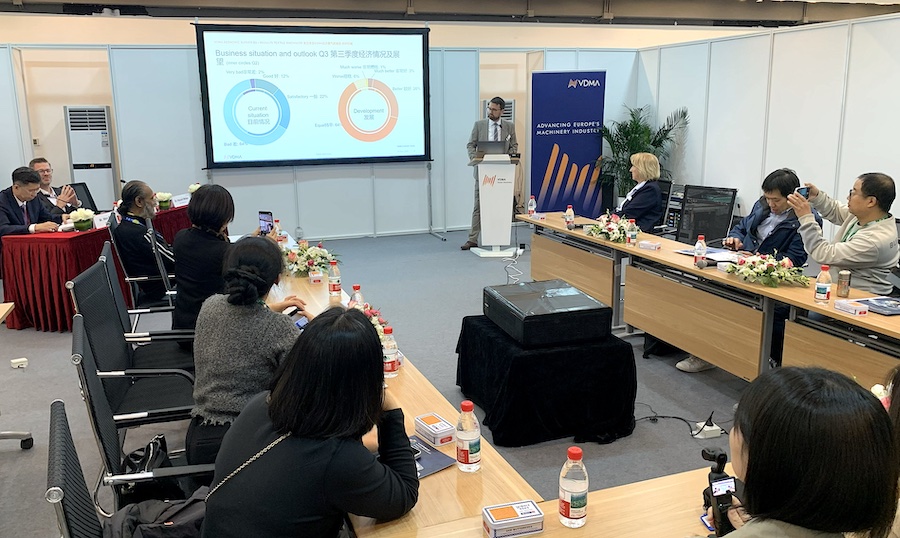
VDMA: German textile machinery manufacturers see signs of recovery as China remains a key market

Strong German participation at ITMA ASIA + CITME 2026 underscores China's importance for the textile machinery industry, while business surveys point to improving prospects for 2027.

#ITMA Asia + CITME 2026

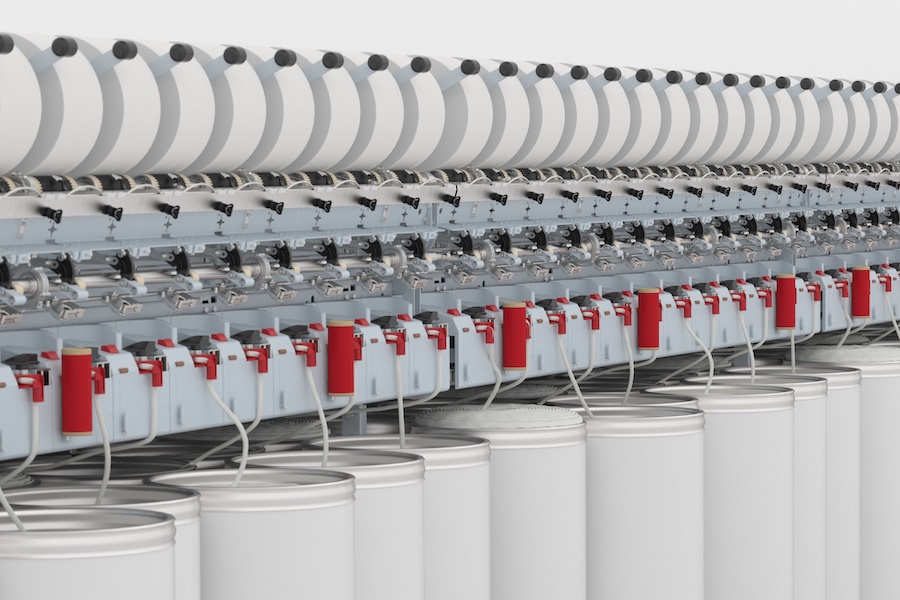
Saurer showcases flexible spinning solutions from bale to yarn at ITMA ASIA + CITME 2026

At ITMA ASIA + CITME 2026 in Shanghai, Saurer will demonstrate how its advanced technologies enable maximum flexibility across the entire spinning process, from bale to yarn and twisting. Visitors to hall 6.1, booth A58, can explore solutions designed to optimise production, improve efficiency and help mills respond quickly to changing market demands. Saurer's experts will be available to discuss individual production challenges and tailored solutions.

Latest News

#Textile processing

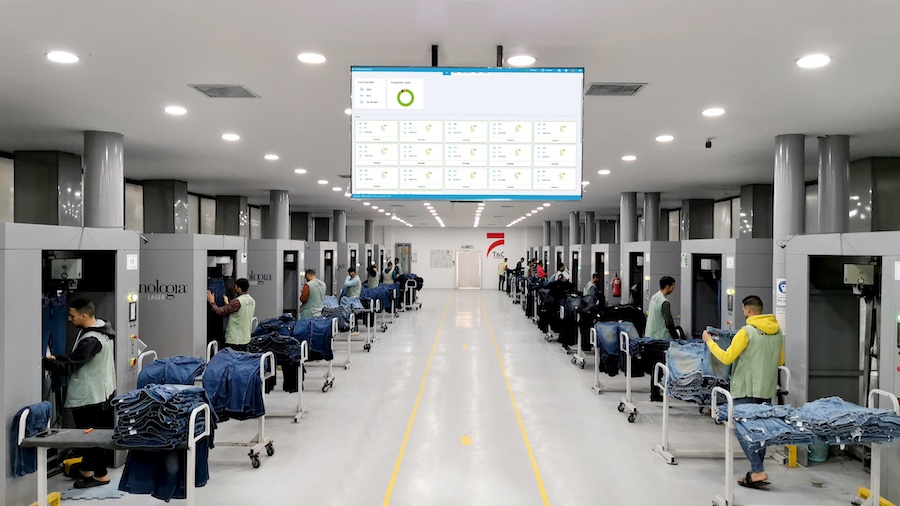
Jeanologia combines digitalisation, laser and ozone technology to strengthen China’s textile competitiveness

At ITMA Asia + CITME 2026 in Shanghai, Jeanologia showcased how the combination of digitalisation, laser technology and G2 Ozone can help China’s textile industry improve productivity, speed, quality and efficiency. With its Compact Super Flash laser system and integrated production concepts, the Spanish technology specialist demonstrated how connecting product development and industrial production can enable faster, more automated and sustainable manufacturing processes.

#Textile chemistry

Flame protection and OEKO-TEX® certification: Gulec Chemicals clears an important hurdle

Three halogen-free flame retardants from German specialist Gulec Chemicals have been included in the OEKO-TEX® list of accepted Active Chemical Products (ACP). The listing opens up additional opportunities for textile finishers, coaters and manufacturers of technical textiles seeking to combine demanding fire protection requirements with certification according to OEKO-TEX® STANDARD 100.

#Dyeing, Drying, Finishing

PLEVA improves dyeing consistency with inline microwave measurement of liquor pick-up

Consistent shades are essential in continuous textile dyeing. Yet variations in fabric absorbency or uneven padder pressure can go unnoticed until the end of the line. By then, hundreds of metres of fabric may already be affected and may become second-choice or rejected.

#Recycling / Circular Economy

DITF establishes CYCLOTEXUM recycling center to advance mechanical and solvent-based textile recycling

As part of the CYCLOTEXUM research project, the German Institutes of Textile and Fiber Research Denkendorf (DITF) established the CYCLOTEXUM recycling center. There, in collaboration with industry partners, the center develops application-oriented solutions for mechanical and solvent-based recycling processes. The technologies developed make a significant contribution along the textile value chain toward the efficient use of textile resources in the future and the transition of production in the German textile sector to a circular economy. The project was funded by the Ministry for the Environment, Climate and Energy Sector of the State of Baden-Württemberg.

TOP