[pageLogInLogOut]

#Research & Development

TexSpace: innovations and project requests at the push of a button

TexSpace, source: ITA
The textile industry is full of innovative ideas. Textile materials, invisible to most end users, play an important role in the functionality of technologies and products in a number of industries. Textile technologies are the enabler for the modern world.

The textile industry has been a major driver of technological development and will continue to do so in the future. TexSpace wants to support this: To bring textile innovations to the market faster in order to increase the speed at which innovations can be realised. 

TexSpace is the first digital tool for innovation scouting in the field of technical textile technology. In addition to data, experts also help with the development of new technologies or business models. Learn more about our data services or development support. Use the free access to get to know our services and platform functions - just register here.

Together with our partner, Innoloft GmbH, and all players from industry, science and the startup scene, we look forward to producing textile innovations for a better world!



TexSpace (c) 2019 ITA


More News from

#Associations

Christoph René Holler to succeed Uwe Mazura as managing director of textil+mode

Christoph René Holler will take over as managing director of textil+mode, the German textile and fashion industry confederation, on 1 January 2027. He succeeds Uwe Mazura, who has led the association for 13 years and will remain in charge of collective bargaining policy through the next round of negotiations before retiring.

#Heimtextil 2027

Heimtextil and The Florentin showcase the role of textiles in hotel design

Heimtextil has partnered with Frankfurt hotel The Florentin by Althoff Collection for its new Interior.Architecture.Hospitality campaign. The collaboration will give architects, interior designers and other contract-sector professionals a closer look at how textiles were used in the hotel. The two studios behind the project will discuss their work at Heimtextil on 14 January 2027 in Hall 4.1.

#EU Textile Strategy

EU Commission proposes advanced materials agenda with targets for 2035

The European Commission has proposed an Advanced Materials for Europe agenda to accelerate the development, production and adoption of safer and more sustainable advanced materials. The proposal sets three benchmarks for 2035 and calls for closer coordination among EU member states to help move new materials from the laboratory into industrial production.

#Research & Development

Empa develops liquid-core fibre for insecticide-treated mosquito nets

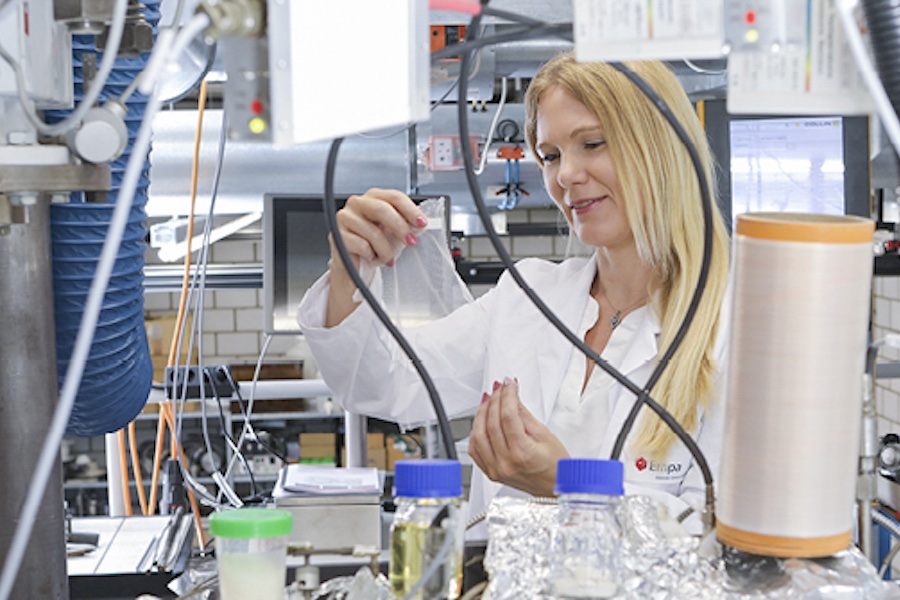
Empa researchers have developed a liquid-core fibre for mosquito nets that can incorporate insecticides unsuitable for conventional melt spinning. The fibre gradually releases the active ingredient through a polymer sheath. The team developed and tested the yarn over three years in the Innosuisse project MalCoFil with Swiss industry partners Vestergaard and Monosuisse.

More News on Research & Development

#Weaving

“A complex design is only useful if the machine can reproduce it consistently”

Andreas Schnabel, Head of R&D for Technical Weaving Systems at Stäubli, discusses how 3D weaving can create textile reinforcements tailored to the loads within a composite component, where near-net-shape weaving can reduce processing steps and material waste, and what it takes to produce complex structures reliably and economically. He also explains how manufacturers can adapt Stäubli’s modular TF weaving platforms to new applications and how the company’s centre of excellence in Bayreuth supports the transition from research to industrial production.

#Research & Development

ITA spin-off TERNAfil wins third place at KUER.NRW 2026 with MAXCarbon technology

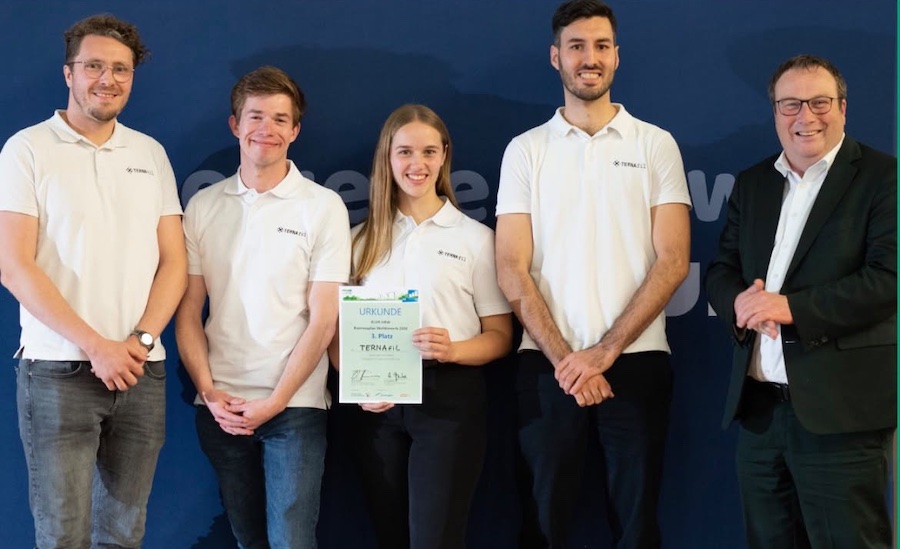
The Aachen-based ITA spin-off TERNAfil GmbH has secured third place in the KUER.NRW Business Plan Competition 2026 with MAXCarbon, an innovative carbon-ceramic hybrid fibre developed for applications in the hydrogen economy. The technology combines the mechanical properties of carbon fibres with the thermal and corrosion resistance of ceramic materials.

#Research & Development

DITF develops bio-based binding fibers for wood-fiber insulation materials

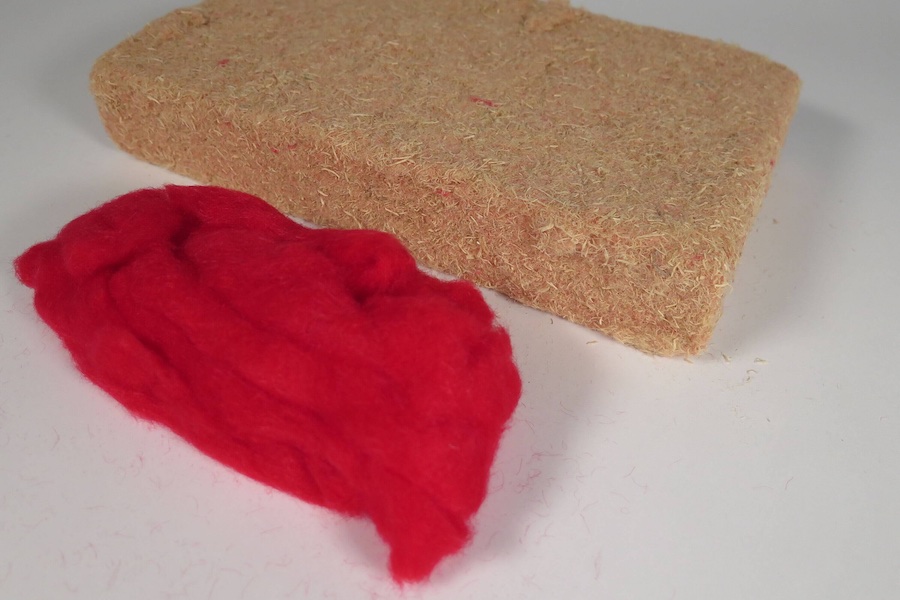
As part of the CelluWoodFlex project, the German Institutes of Textile- and Fiber-Research in Denkendorf (DITF) are developing bio-based cellulose ester fibers as alternative binding fibers for flexible wood fiber insulation materials. In addition to the spinning process and the production of suitable staple fibers, the institute is also investigating how wood and cellulose fibers can be separated and recycled at the end of their useful life.

Latest News

#Raw Materials

Sourcing of traceable BCI cotton rises 43.5% to 33,000 tonnes

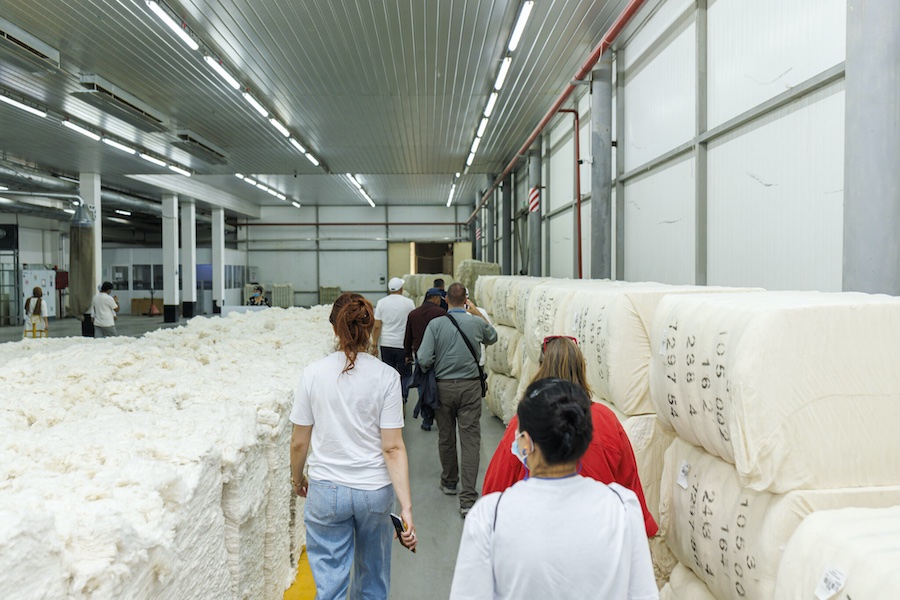
Retailers and brands sourced a record 33,000 metric tonnes of Traceable BCI Cotton over the past year, up 43.5% from 23,000 tonnes in 2024–2025, the Better Cotton Initiative (BCI) reported on 17 November 2026.

#Industry 4.0 / Digitalization

Smartex.ai names Tony Fadell chairman and previews new fabric inspection system

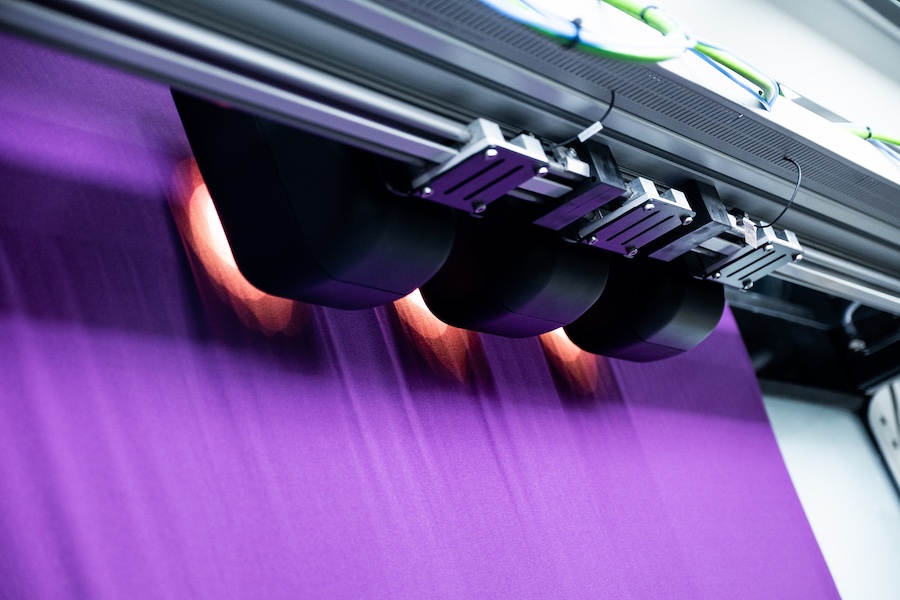
Smartex.ai has appointed Tony Fadell as chairman and will present its new fabric inspection hardware and software at SmartCollab Hong Kong on 27 November. Fadell co-designed Inspect, the hardware at the centre of the system, which Smartex developed with a supplier in H&M Group’s network.

#Digital Printing

From a bedroom startup to 3,000 designs: How Lonely Kids Club built its business with DTG printing

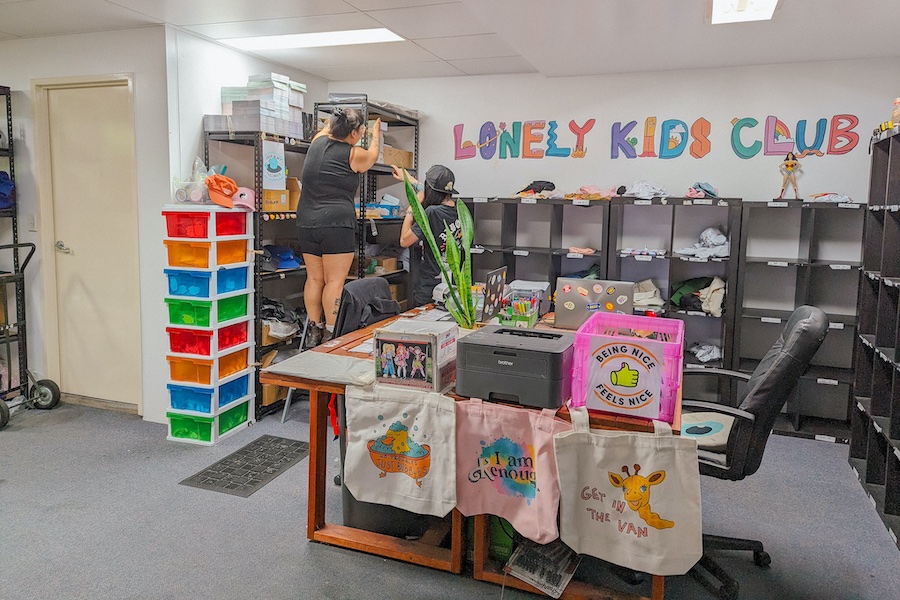
Founded in Sydney in 2011, independent clothing label Lonely Kids Club has grown from a bedroom startup into a business offering around 3,000 graphic T-shirt designs. With its own production studio, direct-to-garment printing and a demand-driven manufacturing model, the company demonstrates how smaller apparel brands can combine creative independence with flexible production – while navigating the everyday challenges of quality control, workflow efficiency and sustainability.

#Recycled Fibers

Recover and SUPIMA partner to develop recycled Pima cotton fibers and yarns

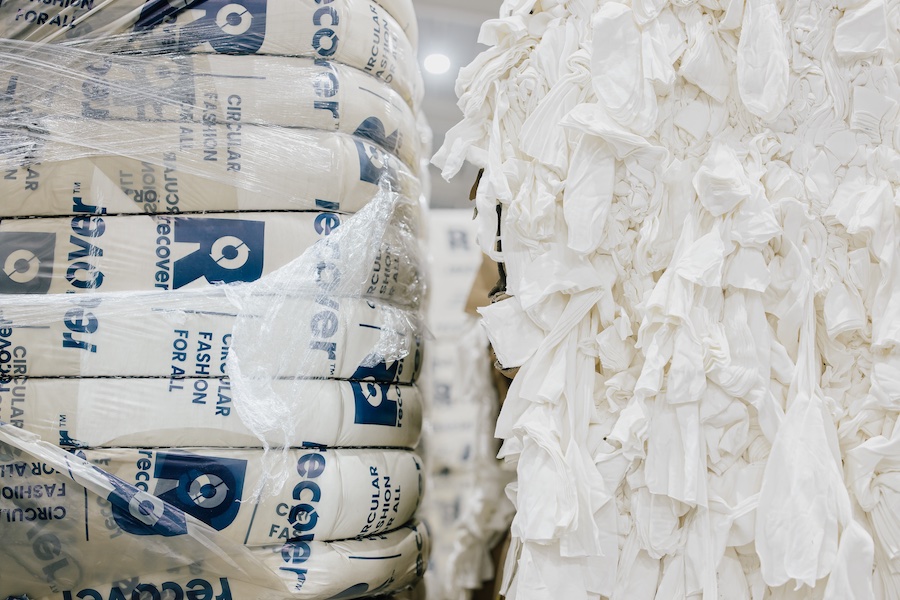
Recover and SUPIMA have partnered to turn waste from SUPIMA cotton production into a new line of recycled fibers and yarns. The collaboration will explore how recycled American-grown Pima cotton can be used in a wider range of yarns and garments for the premium market.

TOP