[pageLogInLogOut]

#Recycling / Circular Economy

SOEX changed company name

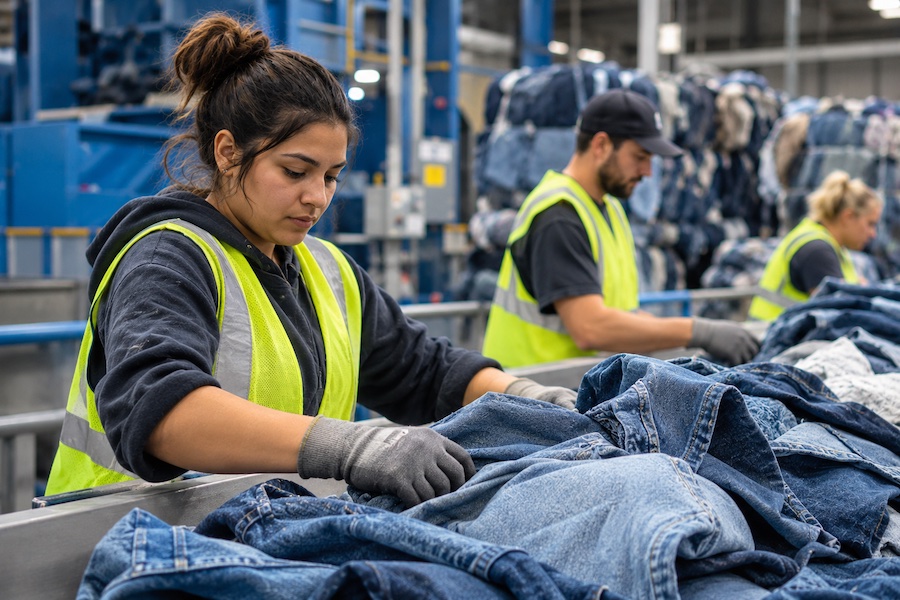
With the approval of the advisory board, the company has changed its name as of November 1, 2023. The SOEX Group is pleased to announce that after years of focusing on the reuse and recycling of used textiles, the company is now changing its name to reflect its role as an established recycler on the market.

SOEX is now called SOEX Textil-Verwertungsgesellschaft instead of Textil-Vermarktungsgesellschaft. The focus of the company’s activities is not on marketing the collected textiles, but on recycling these important resources. Every activity of the SOEX Group is strictly aligned with the waste hierarchy. The reuse of textiles in their original form is the top priority, followed by recycling.

The SOEX Group can already look back on over 35 years of experience in the collection and recycling of used textiles and has been able to establish itself as a strong partner in the recycling market over the years. The SOEX Group will now expand this role even further and prepare for future developments on the market together with its partners. The amended Waste Framework Directive from 2025 presents the textile industry with a new challenge, which the SOEX Group believes it is well equipped to meet thanks to its many years of experience, investments in new innovations and strong cooperation partners: The amended framework directive provides for mandatory separate textile collection for all member states. For the SOEX Group, this means an increase in goods, as more textiles that were previously disposed of in residual waste will be collected. This development represents an opportunity for the SOEX Group to sort even more clothing that is no longer wearable for subsequent recycling processes so that no valuable resources are wasted. 


In addition, the amendment to the Waste Framework Directive will make manufacturers more accountable. Anyone who produces or sells clothing and textiles in the EU must ensure that these textiles are properly and professionally recycled at the end of their life. By optimizing collection processes and investing in recovery and recycling, the SOEX Group has been looking ahead for years to ensure that its cooperation partners are prepared for this new development and that even more clothing can be collected together in the future – clothing that can then be reused or returned to the cycle as a raw material. The change of name also allows the SOEX Group to be even more formally recognized on the market as an experienced recycler. 


More News from TEXDATA International

#ITM 2026

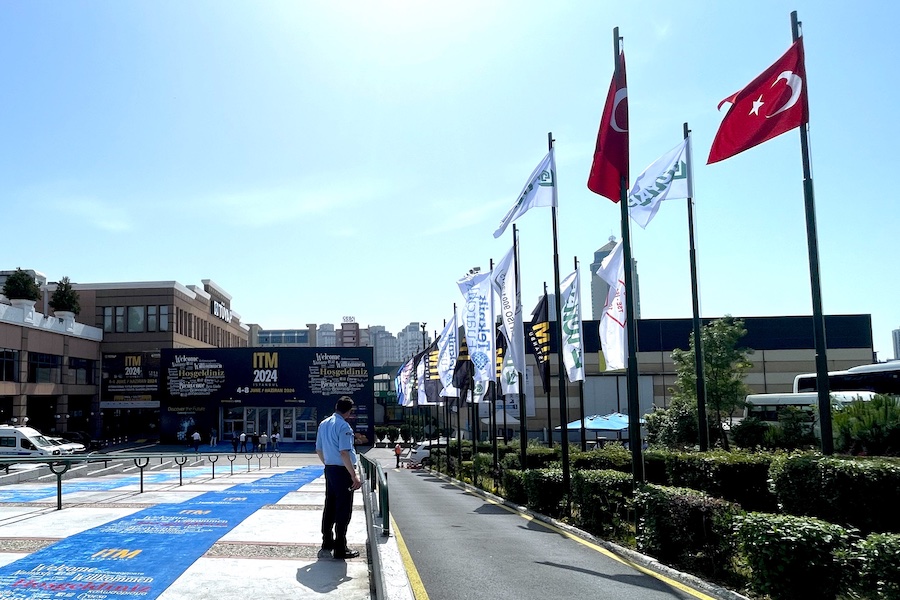
ITM 2026: The new geography of textile production

New production hubs are emerging across North Africa and Central Asia, while Türkiye is accelerating its transformation toward higher-value, technology-driven and more sustainable textile manufacturing.

#Research & Development

“Production is a product”

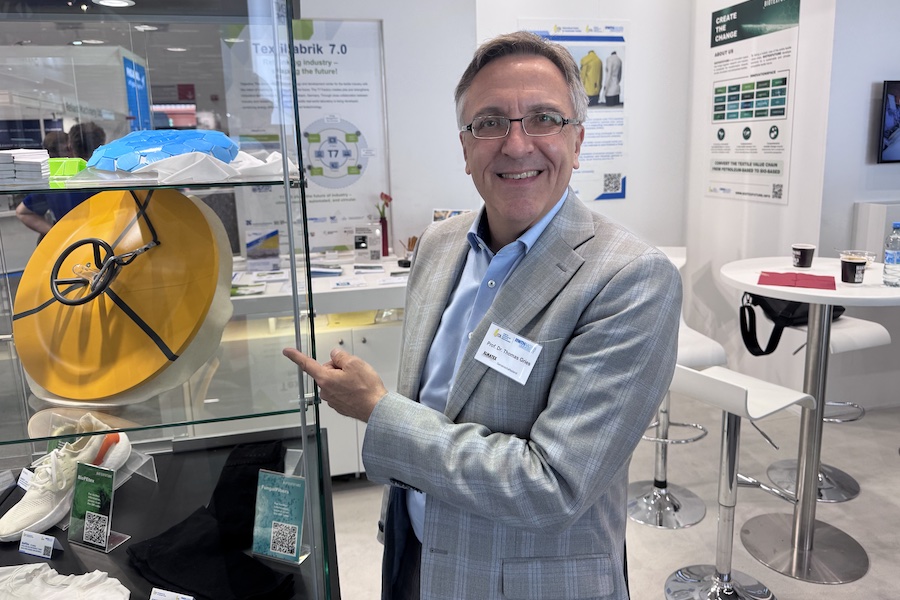
From technical textiles and AI-driven robotics to the limitations of textile circularity: Professor Dr Thomas Gries looks back on more than two decades of development at ITA Aachen. In the interview, he explains why production technology remains a decisive success factor, discusses international collaborations and innovation ecosystems, and shares his views on the transformation of production landscapes and the challenges facing an increasingly regulated industry.

#Knitting & Hosiery

“We need to move away from the price trap and return to a value-driven mindset.”

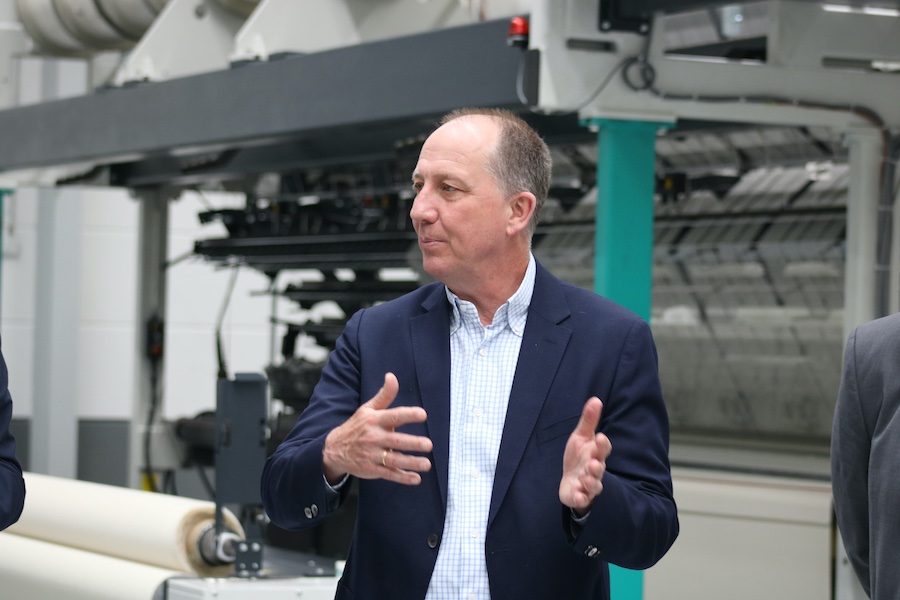
With its new Textile Innovation Center, KARL MAYER is sending a strong signal for innovation, collaboration, and the future of textile applications. In this interview, Karl Josef Mayer discusses new opportunities in warp knitting, the processing of staple fibres, recycling, the changing role of machinery manufacturers, and why the textile industry must once again focus more strongly on the value of textiles. by Oliver Schmidt

#Associations

“Innovation, resilience and international experience remain the great strengths of the Swiss textile machinery industry”

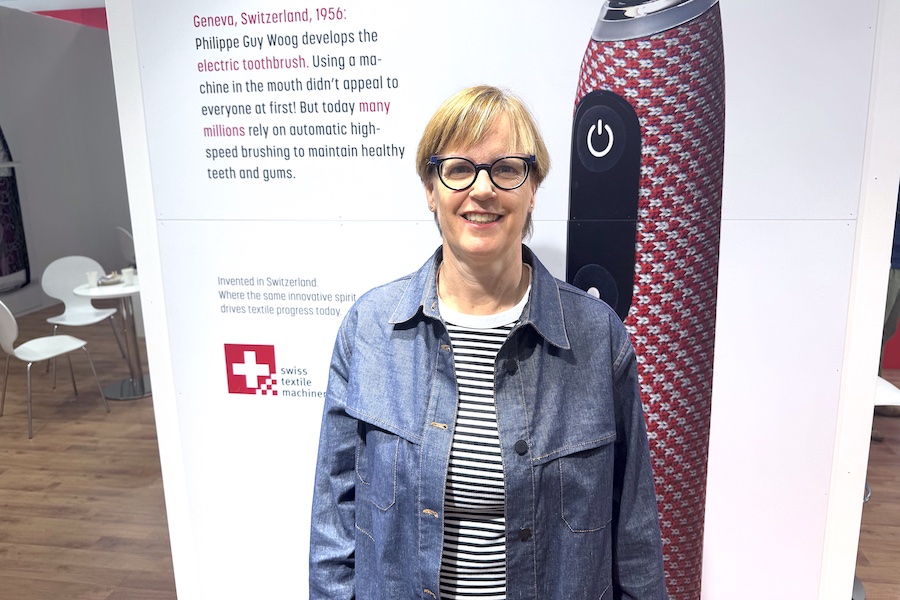
Geopolitical uncertainty, growing competitive pressure from China, new free trade agreements and the shift towards a circular economy are currently reshaping the global textile industry. In this interview, Cornelia Buchwalder discusses the current mood within the Swiss textile machinery sector, the industry’s distinctive innovative strength, new market opportunities in India and Asia, and the technological trends that could shape the upcoming trade fair cycle leading up to ITMA 2027.

More News on Recycling / Circular Economy

#Recycling / Circular Economy

Circulose resumes recycling of discarded cotton textiles and appoints interim CEO

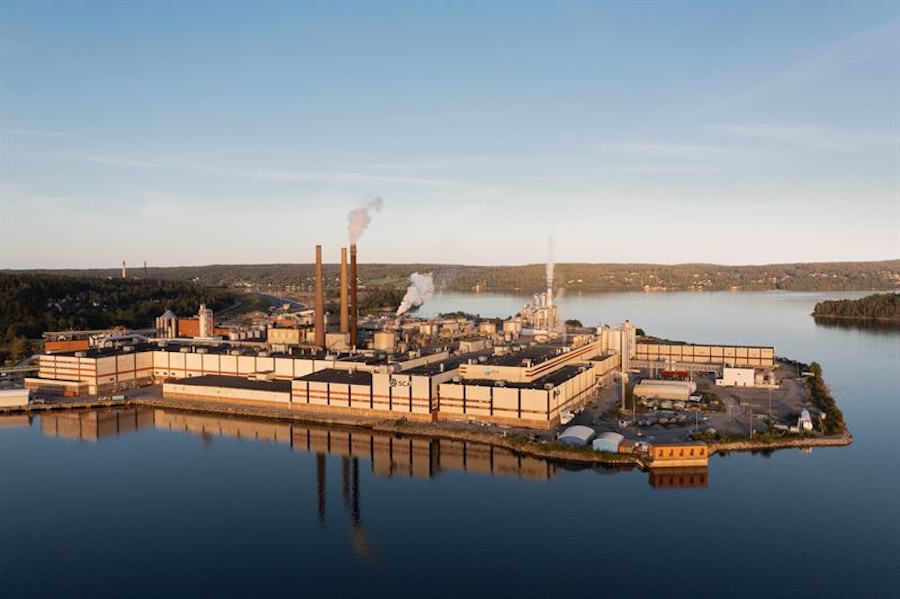
Circulose today announced its restart of commercial-scale production plant at Ortviken in Sundsvall, Sweden, marking a significant step in scaling next-generation materials for the global fashion industry. The Ortviken plant is the world’s first commercial-scale chemical textile recycling facility. Its restart demonstrates that the fashion industry is seeking ways to scale proven solutions that move beyond pilots and into commercial production.

#Recycled Fibers

Reju expands textile-to-textile recycling network with six international fabric manufacturers

Reju, a textile-to-textile regeneration company, is expanding its industrial network through collaborations with six fabric manufacturers in Europe and the Americas. The initiative aims to accelerate the integration of regenerated polyester into textile manufacturing and support the development of finished fabrics for commercial applications.

#Recycling / Circular Economy

H&M Foundation highlights economic barriers to scaling circular textile systems

Discussions at Textile Exchange 2026 underline the need for coordinated investment, reliable material flows and a fair distribution of costs and risks across the textile recycling value chain.

#Spinning

Trützschler expands technical service capabilities for spinning mills in Pakistan

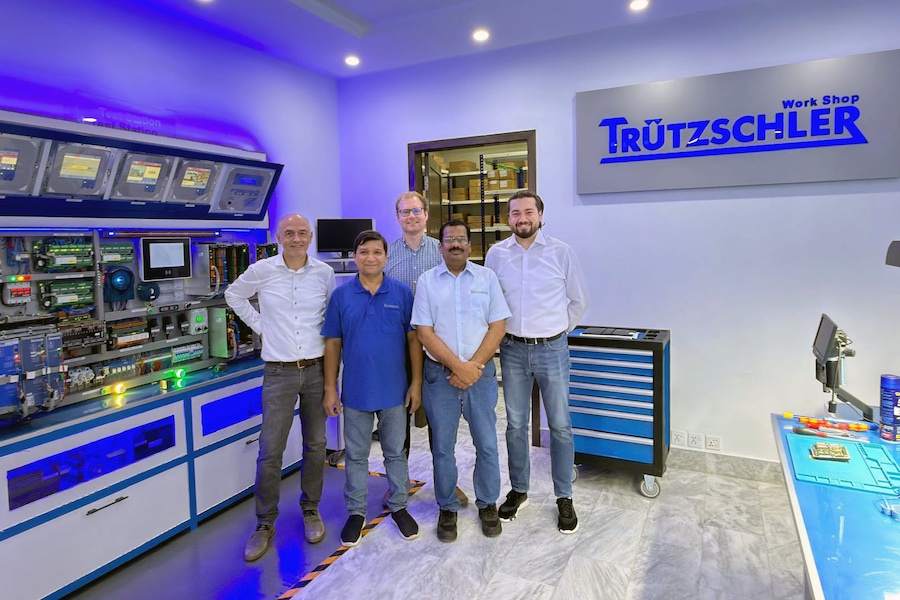
Faster support, shorter downtime and advanced repair capabilities: customers across Pakistan can now benefit from the Trützschler Service Station at its new location in Lahore. By combining Trützschler service expertise with state-of-the-art diagnostic equipment, the new facility helps spinning mills resolve technical issues more quickly and maintain reliable production.

Latest News

#Spinning

Barmag’s single-stage Bi-Shrinkage concept impresses with yarn quality and efficiency

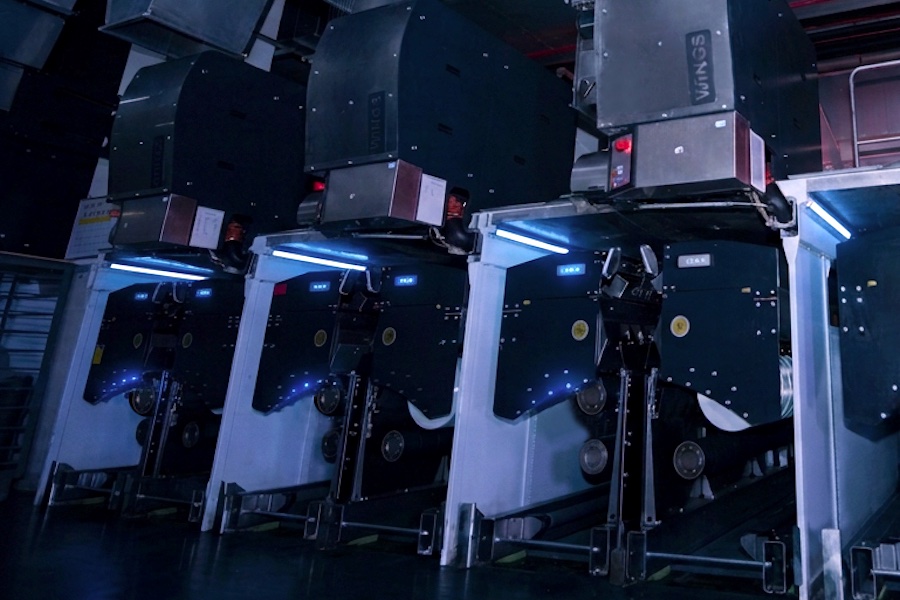
The Indian company Garden Silk Mills Pvt. Ltd. adopts Barmag's new single-stage Bi-Shrinkage Yarn (BSY) spinning concept based on WINGS FDY PLUS eco. The systems, which have been in operation for about a year, deliver excellent yarn quality with very good productivity.

#India ITME 2026

Trützschler brings intelligent fiber processing and automation to India ITME 2026

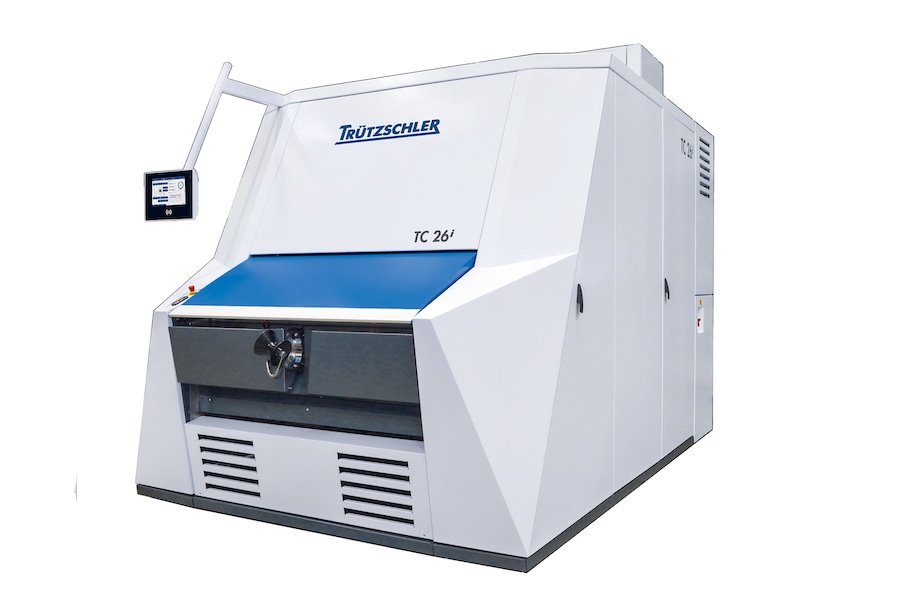
From December 4 to 9, 2026, the Trützschler Group will present its latest innovations in spinning, card clothing and nonwovens at India ITME in Greater Noida, India. At Hall 11, Booth B15, visitors can discover solutions designed to increase productivity, reduce operating costs and ensure consistently high product quality. Key highlights include the intelligent card TC 26i, the 12-head comber TCO 21XL, innovative card clothing solutions for improved fiber utilization and quality, as well as advanced nonwovens technologies for hygiene, wipes and technical applications.

#ITMA Asia + CITME 2026

Itema brings textile versatility to ITMA ASIA + CITME 2026

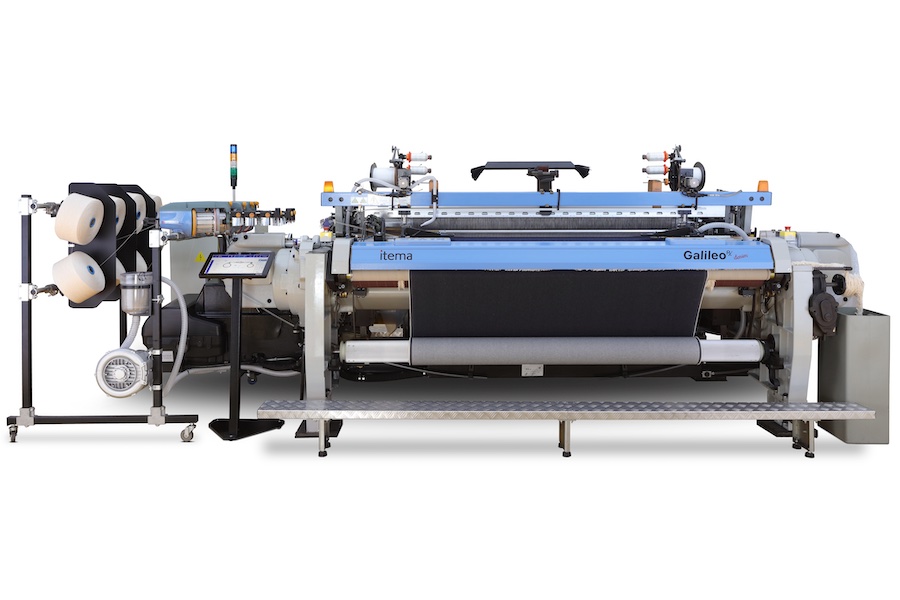
Itema announces its participation in ITMA ASIA + CITME 2026, taking place November 20–24 at the National Exhibition and Convention Center in Shanghai. In Hall 3 – Stand D06, the company will showcase two Galileo-RX rapier weaving machines weaving heavy denim and conveyor belt fabrics, demonstrating its ability to address different textile requirements with application-specific configurations. Five additional Itema machines at partner booths will extend the exhibition lineup to upper shoe fabric, label, Jacquard leno fabrics, and shirting, offering visitors a broader view of Itema rapier and air-jet weaving technologies.

#Dyeing, Drying, Finishing

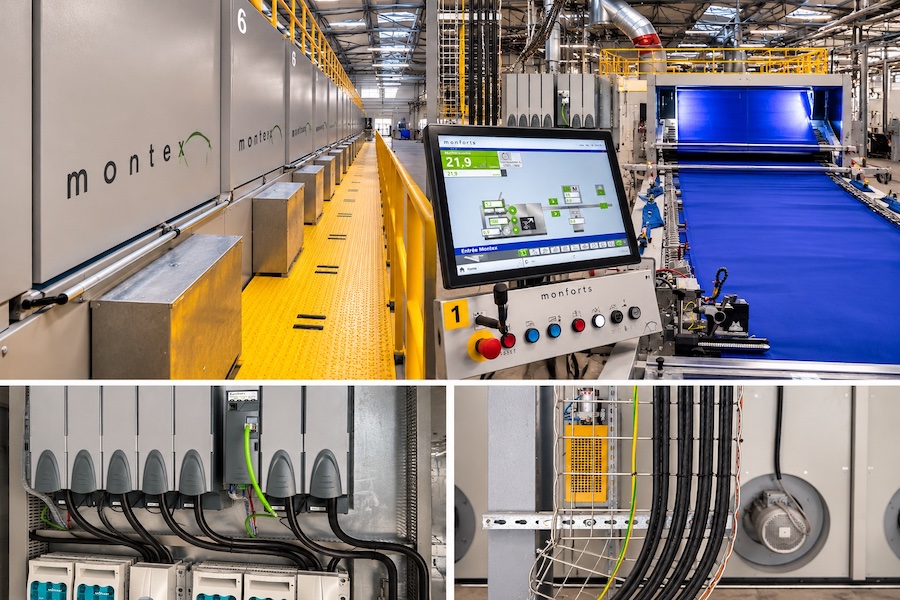
AEI reaps the benefits of all-electric new Monforts range

The impact of the rising cost of energy on the textile industry has been well documented, with some European countries paying up to seven times more to run their manufacturing operations than in other regions of the world.

TOP