[pageLogInLogOut]

#Recycling / Circular Economy

Reju announces strategic partnerships with Utexa in Central America and Antex in Europe

Reju™, the purpose-driven, leading textile-to-textile regeneration company, today announced plans for product validation and adoption with Utexa, and Antex, two global leaders in multifilament yarn production with manufacturing locations in Europe and the Americas. The companies will be validating Reju’s proprietary material, REJU Polyester™, for commercial adoption in multifilament yarns for textile applications.

Yarns produced at Utexa’s plant in Choloma, Honduras and Antex’s Girona, Spain facility are scheduled to be utilized by Reju’s brand partners for garment development and analysis of near shore supply chains by October 2025.

The partnerships are part of Reju’s strategy to create measurable impact on the regional post-consumer textile waste problem in the areas the problem is created. While building a new circular textile system that helps to enable aggregation of textile waste as well as the sorting and preparation infrastructure for recycling to be built and scale, and that will allow EPR schemes to become possible in region. The partnerships will also provide opportunities for diversifying and near-shoring portions of their supply chains.

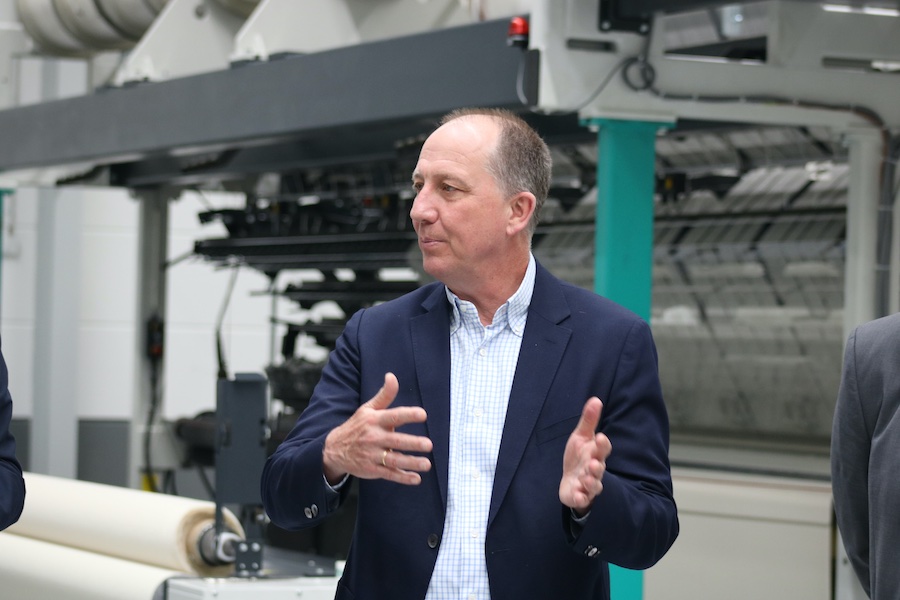
"These partnerships accelerate the development of high-quality, sustainable yarns meeting the growing demand for environmentally responsible, regionally sourced textile solutions,” said Patrik Frisk, CEO at Reju. “By combining the proven manufacturing capabilities of Utexa and Antex with Reju's polyester, we will drive meaningful change in the textile industry, demonstrating the ability to produce high quality yarns and fabrics within the continents where our Regeneration Hubs will be located. Aligning with these mills enables us to deliver products that not only meet the expectations of conscious consumers, but also, contribute to a more sustainable future for the planet."

The benefits of Reju Polyester are:

+ Lower Carbon Emissions: Reju's regeneration process provides a 100% textile-to-textile recycled polyester with a carbon footprint about 50% lower than that of virgin polyester.

+ Regenerated Quality: Owing to Reju’s regeneration technology, polyester produced by the company will be of the highest grade for textile applications, avoiding the thermal degradation, contaminants, and co-monomers often associated with thermo-mechanical recycling processes.

+ Resilient Supply: By focusing on the local challenge of post-consumer waste, and identifying partners in-region, partnering with Reju advances a stable, near-shore supply chain option that can improve flexibility and time-to-market for brands.

"Working with Reju reinforces our mission to advance textile innovation and speed in the Americas," said Jon Pavlansky, President at Utexa. "We look forward to exploring the full potential of Reju Polyester and setting a new industry standard in sustainable yarns.”

Reju’s circular polyester aligns perfectly with our commitment to sustainable innovation, speed, and efficiency for textile supply chains,” said Marta Molist, Innovation & Sustainability Director at Antex. “As a global producer of multifilament yarns, we’re proud to help bring this next-generation material to life, delivering performance, quality, and environmental responsibility at industrial scale.”

Further updates on the progress and results of the pilot program will be shared in the coming months. For more information about Reju, visit reju.com and LinkedIn.
More News from Reju

#Recycling / Circular Economy

Reju secures €135 Million in Dutch NIKI Funding for industrial-scale textile-to-textile regeneration hub at Chemelot Industrial Park, the Netherlands

Reju™, the progressive textile-to-textile regeneration company, has been awarded €135 million in funding under the Netherlands’ Nationale Investeringsregeling Klimaatprojecten Industrie (NIKI) program. The funding will support Reju’s planned industrial-scale Regeneration Hub at Chemelot Industrial Park in Sittard-Geleen, covering both the investment phase and ongoing operations, and represents a critical milestone on the path toward final investment decision.

#Recycled Fibers

Reju announces site selection for French Regeneration Hub in Lacq advancing Europe’s circular textile infrastructure

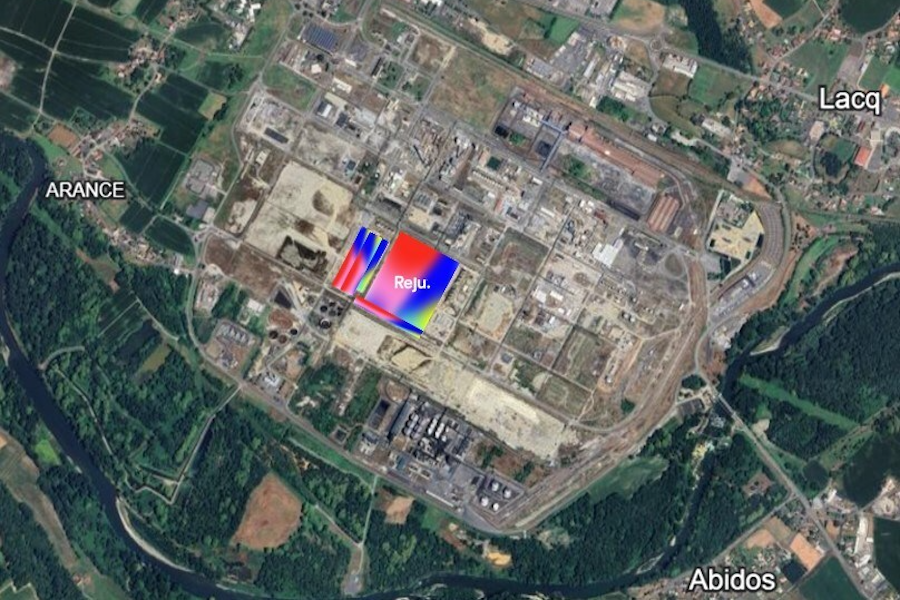
Reju, the textile-to-textile regeneration company based in France, announces the site selection for an industrial sized Regeneration Hub, in Lacq, in the Pyrénées-Atlantiques, on the Induslacq platform. Reju, a Technip Energies owned company, is deepening its roots in France through the development of this new Regeneration Hub.

#Recycling / Circular Economy

Reju announces site selection for first U.S. industrial sized facility regeneration hub in Rochester, New York

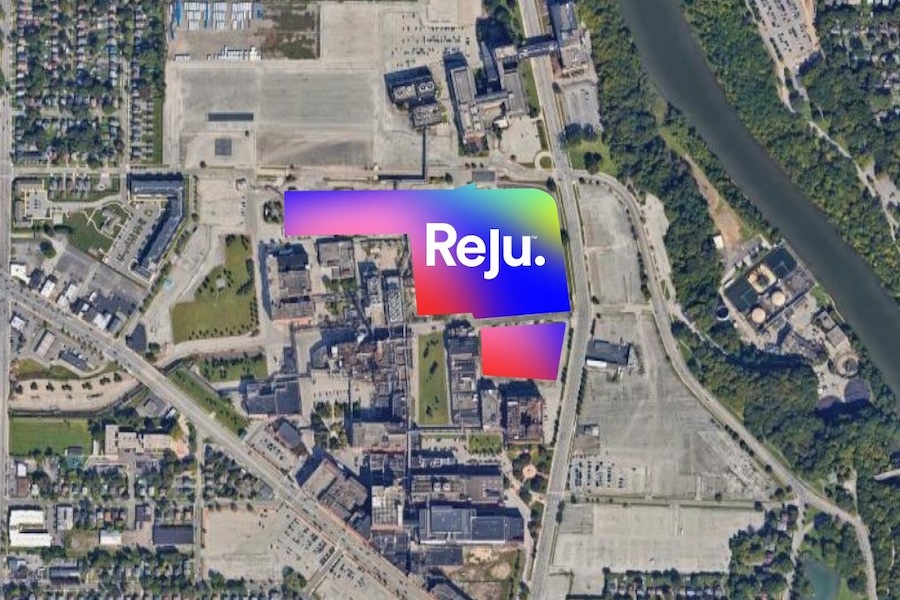
Reju, the textile-to-textile regeneration company, today announced it has selected the site for its first U.S.-based industrial facility marking a significant milestone in its efforts to scale globally. This future Regeneration Hub will be in Rochester, New York, reinforcing Reju’s commitment to the adoption of circular textile system across key regions worldwide.

#Recycling / Circular Economy

Reju and Circle-8 Textile Ecosystems partner to further large-scale textile recycling in the U.K.

Reju™, the progressive textile-to-textile regeneration company, and Circle-8 Textile Ecosystems, a key builder of ecosystems and infrastructures unlocking textile-to-textile recycling, today announced a partnership to further facilitate a circular textiles ecosystem in the U.K.

More News on Recycling / Circular Economy

#Recycling / Circular Economy

Mesdan to showcase laboratory-scale textile recycling solutions at Textiles Recycling Expo 2026

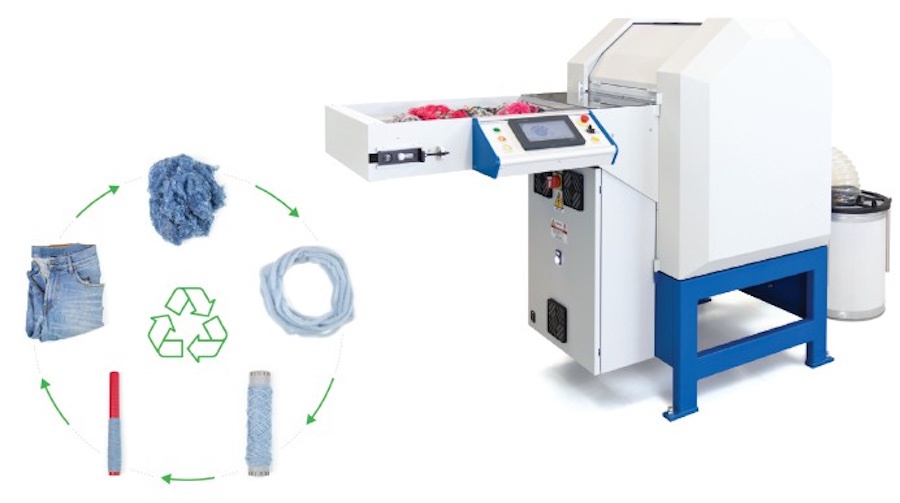
At Stand 2235 during the Textiles Recycling Expo 2026 in Brussels, Mesdan will present laboratory solutions designed to support the development and evaluation of textile-to-textile recycling processes.

#Recycled Fibers

Carbios and Wankai postpone startup of China’s first PET biorecycling plant to 2028

The industrial deployment of enzymatic PET recycling in Asia is progressing, but at a slower pace than initially planned. French recycling technology company Carbios and its Chinese partner Wankai New Materials have announced that the commissioning of their planned PET biorecycling facility in Haining, Zhejiang Province, has been postponed and is now expected in the first half of 2028.

#Sustainability

Closing the Footwear Loop reveals challenges and opportunities for circular footwear

The footwear industry faces one of the most complex circularity challenges in the fashion sector. A new Phase 1 report from the Fashion for Good initiative Closing the Footwear Loop, developed together with Circle Economy, provides new insights into the composition, condition and recycling potential of post-consumer footwear waste.

#Recycling / Circular Economy

Textiles Recycling Expo 2026 to spotlight the companies turning textile circularity into industrial reality

As the textile industry faces mounting pressure to scale circular solutions, improve recycling infrastructure, and respond to evolving regulation, Textiles Recycling Expo 2026 will bring together the organisations leading that transformation in practice.

Latest News

#ITM 2026

Sweden targets Türkiye’s textile future at ITM 2026

Following the opening of its new showroom and test centre in Sweden, imogo will be introducing its groundbreaking new Dye-Max spray dyeing technology to Türkiye’s textile manufacturers at ITM 2026 in Istanbul from June 9-13.

#Knitting & Hosiery

TM WEFT, 270" – More width, more design freedom for the fashion world

KARL MAYER is expanding its successful TM WEFT series with an innovative model that opens up new possibilities, particularly in the fashion & apparel sectors. With a working width of 270", this new machine with weft-insertion not only offers significantly higher output than its narrower counterparts but is also specifically tailored to the demands of dynamic clothing market – particularly in China and Türkiye. A well-thought-out upgrade also ensures even greater design versatility.

#Research & Development

“Production is a product”

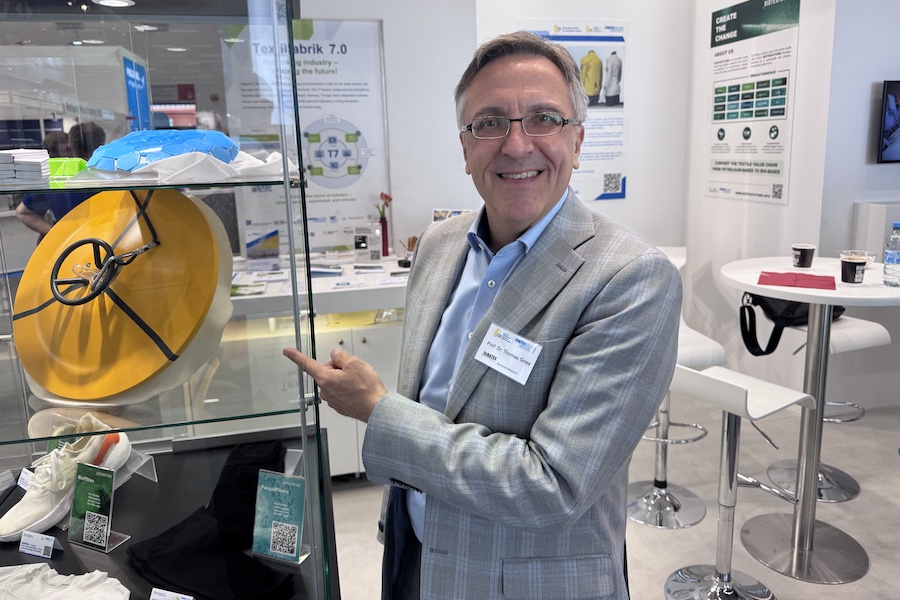
From technical textiles and AI-driven robotics to the limitations of textile circularity: Professor Dr Thomas Gries looks back on more than two decades of development at ITA Aachen. In the interview, he explains why production technology remains a decisive success factor, discusses international collaborations and innovation ecosystems, and shares his views on the transformation of production landscapes and the challenges facing an increasingly regulated industry.

#Knitting & Hosiery

“We need to move away from the price trap and return to a value-driven mindset.”

With its new Textile Innovation Center, KARL MAYER is sending a strong signal for innovation, collaboration, and the future of textile applications. In this interview, Karl Josef Mayer discusses new opportunities in warp knitting, the processing of staple fibres, recycling, the changing role of machinery manufacturers, and why the textile industry must once again focus more strongly on the value of textiles. by Oliver Schmidt

TOP