[pageLogInLogOut]

#Other suppliers

Applied DNA and American & Efird to collaborate on new anti-counterfeiting sewing thread platform

Applied DNA Sciences announced that it is collaborating with American & Efird, (A&E), one of the world’s leading manufacturers and distributors of industrial and consumer sewing thread, embroidery thread, and technical textiles, to utilize its CertainT® platform to develop secure sewing threads for brand protection.

Brands and Manufacturers can be certain that their products are authentic

“The CertainT Program is an innovative solution for brands and retailers in their supply chain.  A&E and Applied DNA Sciences together are creating new security applications for sewing thread benefitting from revolutionary SigNature® T DNA and Beacon® technology. Our customers are increasingly more vigilant and security minded.  DNA technology can protect a wide range of products, from luxury consumer brands to industrial applications where integrity of components is mission critical”. Les Miller, CEO, A&E, stated:  “We are excited to be collaborating with Applied DNA Sciences and developing cutting edge technology solutions for our customers.”

A&E has a long history of leading the thread industry, particularly working with the US government to ensure supply of Berry Amendment-compliant products, industrial and consumer brands that require stricter controls on product quality and integrity, and working with stakeholders globally to ensure they meet their corporate sustainability goals.

“Many products, from running shoes, to performance athleisure wear, to luxury brands, can benefit from a secure sewing thread.  A&E’s extensive portfolio of products combined with the CertainT platform provide a powerful opportunity to provide a trusted solution for customers who need a true anti-counterfeiting brand protection solution,” stated Dr. James Hayward, president and CEO of Applied DNA.
More News from TEXDATA International

#Digital Printing

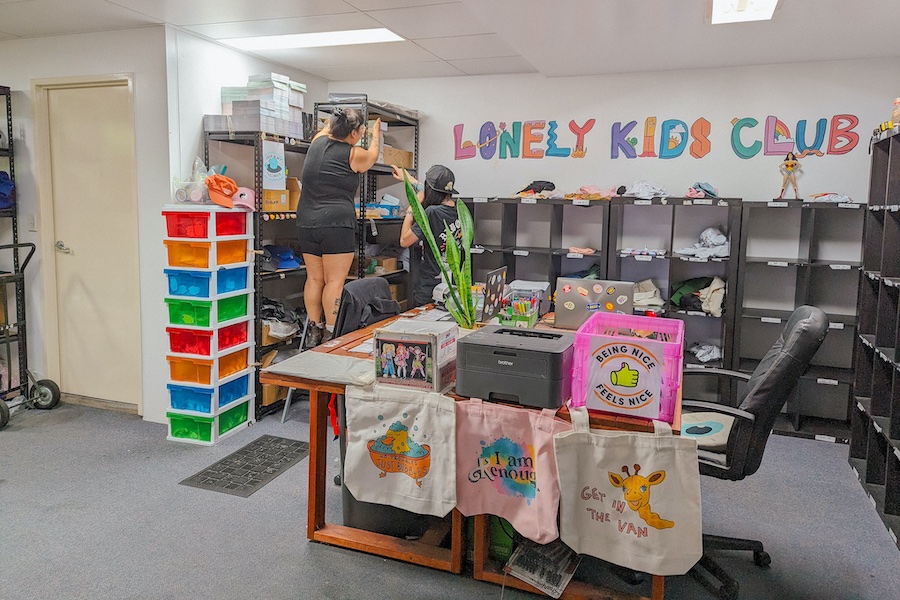
From a bedroom startup to 3,000 designs: How Lonely Kids Club built its business with DTG printing

Founded in Sydney in 2011, independent clothing label Lonely Kids Club has grown from a bedroom startup into a business offering around 3,000 graphic T-shirt designs. With its own production studio, direct-to-garment printing and a demand-driven manufacturing model, the company demonstrates how smaller apparel brands can combine creative independence with flexible production – while navigating the everyday challenges of quality control, workflow efficiency and sustainability.

#India ITME 2026

India’s textile industry: Current position, growth targets and industrial development

With ambitious export targets, major investments in manufacturing infrastructure and new international trade agreements, India is pursuing a comprehensive development strategy for its textile and apparel industry. An overview of the industry’s current position, government initiatives, progress achieved and challenges ahead.

#Weaving

“A complex design is only useful if the machine can reproduce it consistently”

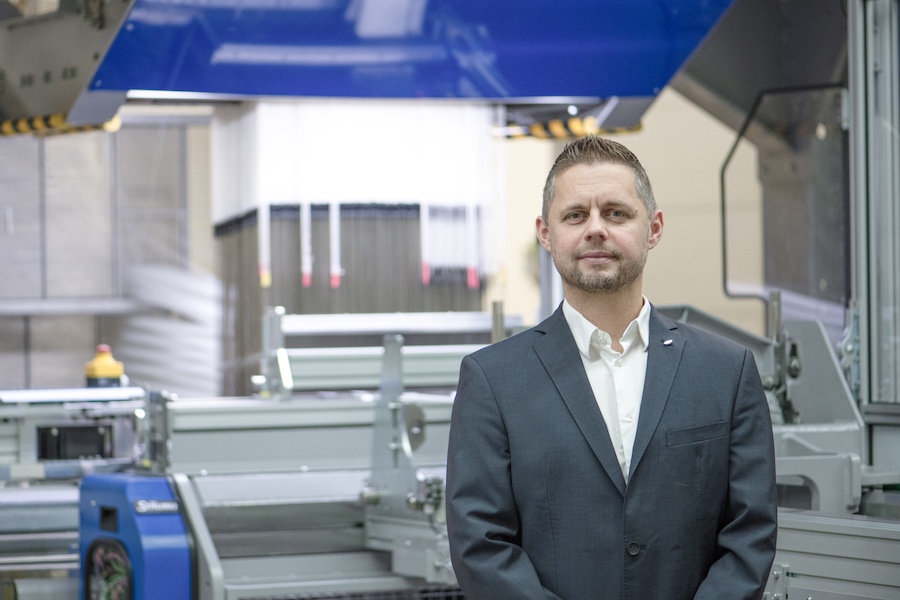
Andreas Schnabel, Head of R&D for Technical Weaving Systems at Stäubli, discusses how 3D weaving can create textile reinforcements tailored to the loads within a composite component, where near-net-shape weaving can reduce processing steps and material waste, and what it takes to produce complex structures reliably and economically. He also explains how manufacturers can adapt Stäubli’s modular TF weaving platforms to new applications and how the company’s centre of excellence in Bayreuth supports the transition from research to industrial production.

#India ITME 2026

India ITME 2026: Textile technology meets India's investment ambitions

With ambitious growth targets, government incentive programmes and industrial development initiatives already underway, India is preparing for the next stage of its textile transformation. Against this backdrop, the 12th India ITME, taking place in Greater Noida from 4 to 9 December 2026, arrives at a particularly important moment for machinery manufacturers and textile producers alike.

More News on Other suppliers

Latest News

#Textile processing

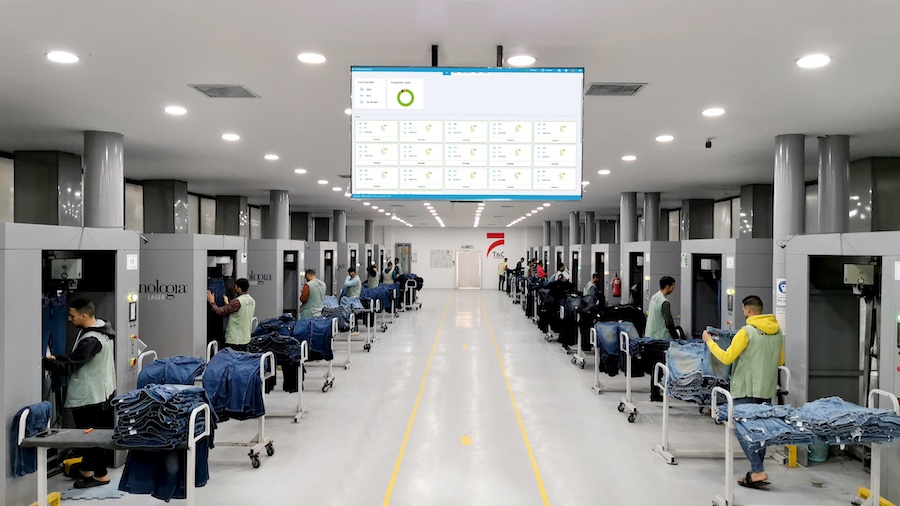
Jeanologia combines digitalisation, laser and ozone technology to strengthen China’s textile competitiveness

At ITMA Asia + CITME 2026 in Shanghai, Jeanologia showcased how the combination of digitalisation, laser technology and G2 Ozone can help China’s textile industry improve productivity, speed, quality and efficiency. With its Compact Super Flash laser system and integrated production concepts, the Spanish technology specialist demonstrated how connecting product development and industrial production can enable faster, more automated and sustainable manufacturing processes.

#Textile chemistry

Flame protection and OEKO-TEX® certification: Gulec Chemicals clears an important hurdle

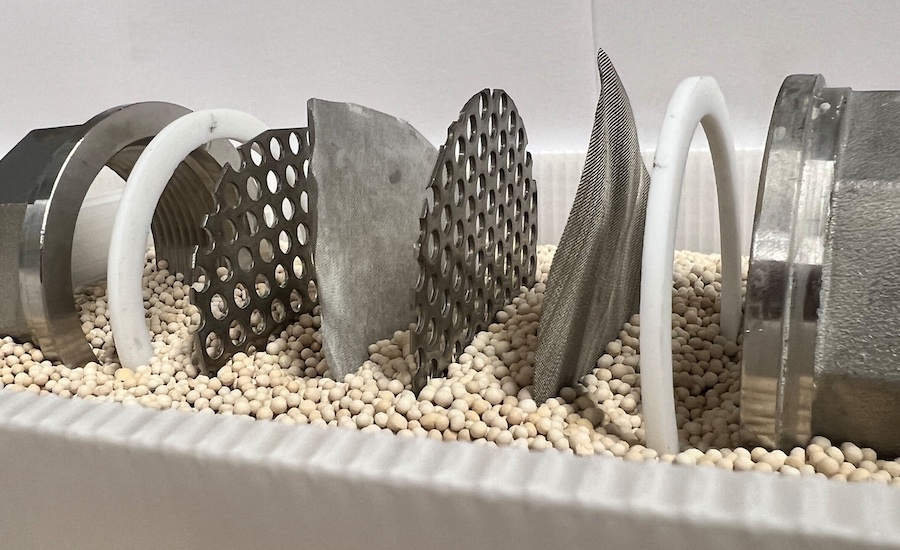
Three halogen-free flame retardants from German specialist Gulec Chemicals have been included in the OEKO-TEX® list of accepted Active Chemical Products (ACP). The listing opens up additional opportunities for textile finishers, coaters and manufacturers of technical textiles seeking to combine demanding fire protection requirements with certification according to OEKO-TEX® STANDARD 100.

#Dyeing, Drying, Finishing

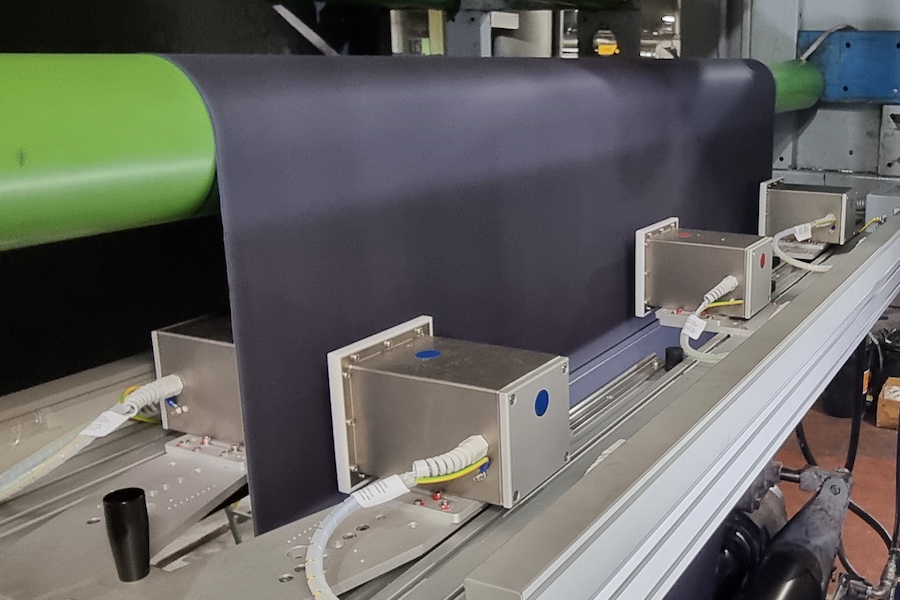
PLEVA improves dyeing consistency with inline microwave measurement of liquor pick-up

Consistent shades are essential in continuous textile dyeing. Yet variations in fabric absorbency or uneven padder pressure can go unnoticed until the end of the line. By then, hundreds of metres of fabric may already be affected and may become second-choice or rejected.

#Recycling / Circular Economy

DITF establishes CYCLOTEXUM recycling center to advance mechanical and solvent-based textile recycling

As part of the CYCLOTEXUM research project, the German Institutes of Textile and Fiber Research Denkendorf (DITF) established the CYCLOTEXUM recycling center. There, in collaboration with industry partners, the center develops application-oriented solutions for mechanical and solvent-based recycling processes. The technologies developed make a significant contribution along the textile value chain toward the efficient use of textile resources in the future and the transition of production in the German textile sector to a circular economy. The project was funded by the Ministry for the Environment, Climate and Energy Sector of the State of Baden-Württemberg.

TOP