[pageLogInLogOut]

#Nonwovens / Technical Textiles

Flexi-Loft: versatile sustainability champion with high acoustic performance
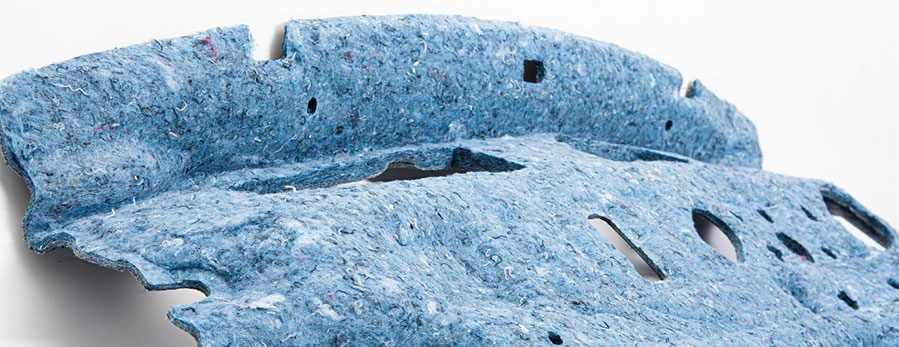
Flexi-Loft inner dash © 2021 autoneum
The acoustic performance of components for the vehicle interior such as inner dashes or carpets depends on the noise-reducing quality as well as the geometrical adaptability and fill power of their material. With Flexi-Loft, Autoneum offers a new felt-based technology that thanks to a unique blend of recycled cotton and functional fibers reduces product weight and allows for accurate adaptation even to complex shapes. The textile material therefore provides a versatile and more sustainable alternative to foam.

In order to achieve high acoustic performance at minimum weight and maximum sustainability, Autoneum is continuously advancing its textile product portfolio. When it comes to components for the vehicle interior, for example, standard thermoplastic felts excel through their acoustic absorption, robustness and environmental friendliness. However, since felt-based materials are generally less voluminous and moldable as foam components, they require more weight to thoroughly fill the areas of varying thickness between the surface of the component and the vehicle’s body-in-white. In contrast, Autoneum’s Flexi-Loft technology is significantly lighter, more flexible and more adaptable than standard felts. In addition, the fiber-based material is versatile and clearly outperforms current foam products in terms of sustainability.

Thanks to its innovative blend of recycled cotton and polyester fibers, Flexi-Loft substantially reduces component weight while improving geometrical adaptability and acoustic performance, especially in areas of low thickness. Thanks to the specific properties of the fibers, Flexi-Loft enables a precise adaptation to a wide variety of vehicle bodies, thereby improving the noise-insulating qualities of the respective product. Even at low weight, Flexi-Loft covers a wide range of material thicknesses, thus proving to be an ideal decoupling material for interior components with complex shapes such as inner dashes and automotive carpets. As a lightweight, flexible and sustainable alternative to both standard felts and foam, Flexi-Loft distinguishes itself by its versatile application in combination with existing Autoneum technologies such as Hybrid-Acoustics and Prime-Light. Moreover, the material helps to reduce odor and dust inside the vehicle.

Overall, Flexi-Loft offers a unique combination of design freedom and increased sustainability. The lightweight, fiber-based material is characterized by an excellent environmental performance throughout the entire product life cycle while offering the same benefits as less sustainable foam alternatives. Flexi-Loft consists of at least 50% recycled cotton fibers, and cut-offs generated during the manufacturing process are reclaimed, processed and then reused in the production of new felt blanks. Furthermore, the material is fully recyclable.

Autoneum is already using Flexi-Loft worldwide as an insulator for various carpets, inner dashes and other acoustic components based on its Prime-Light technology. The application of the material as an effective decoupler in inner dashes made of Hybrid-Acoustics will be launched on the European market in 2023. The versatility of Flexi-Loft will be presented in detail at the Automotive Acoustics Conference 2021, which will be held virtually on November 16 and 17, 2021.


About the Automotive Acoustics Conference:

Based on more than 50 years of experience, the Automotive Acoustics Conference is a globally leading convention for vehicle acoustics. The conference addresses the latest developments and trends in this field and serves, among other things, as a global forum for engineers and developers. The conference is under the scientific leadership of Autoneum and is held biennially. The next edition will take place digitally on November 16 and 17, 2021. In addition to lectures by leading industry experts, participants will have the opportunity to learn more about Autoneum’s latest innovations, including Flexi-Loft, in virtual exhibition and networking areas.




More News from TEXDATA International

#ITM 2026

ITM 2026: The new geography of textile production

New production hubs are emerging across North Africa and Central Asia, while Türkiye is accelerating its transformation toward higher-value, technology-driven and more sustainable textile manufacturing.

#Research & Development

“Production is a product”

From technical textiles and AI-driven robotics to the limitations of textile circularity: Professor Dr Thomas Gries looks back on more than two decades of development at ITA Aachen. In the interview, he explains why production technology remains a decisive success factor, discusses international collaborations and innovation ecosystems, and shares his views on the transformation of production landscapes and the challenges facing an increasingly regulated industry.

#Knitting & Hosiery

“We need to move away from the price trap and return to a value-driven mindset.”

With its new Textile Innovation Center, KARL MAYER is sending a strong signal for innovation, collaboration, and the future of textile applications. In this interview, Karl Josef Mayer discusses new opportunities in warp knitting, the processing of staple fibres, recycling, the changing role of machinery manufacturers, and why the textile industry must once again focus more strongly on the value of textiles. by Oliver Schmidt

#Associations

“Innovation, resilience and international experience remain the great strengths of the Swiss textile machinery industry”

Geopolitical uncertainty, growing competitive pressure from China, new free trade agreements and the shift towards a circular economy are currently reshaping the global textile industry. In this interview, Cornelia Buchwalder discusses the current mood within the Swiss textile machinery sector, the industry’s distinctive innovative strength, new market opportunities in India and Asia, and the technological trends that could shape the upcoming trade fair cycle leading up to ITMA 2027.

More News on Nonwovens / Technical Textiles

#ITMA Asia + CITME Singapore 2025

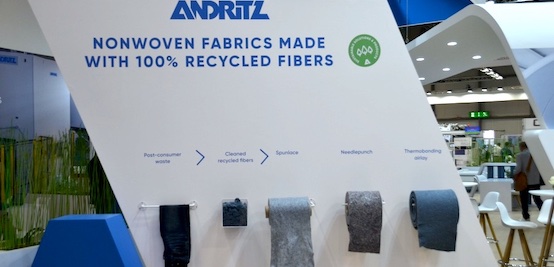
ANDRITZ sets focus on textile recycling and durable nonwoven production technologies at ITMA Asia 2025

International technology Group ANDRITZ will be presenting its innovative nonwovens production and textile solutions at ITMA ASIA + CITME 2025 in Singapore, from October 28 to 31, 2025 (Hall 2, D106). ANDRITZ will showcase its MMCF production plants, textile sorting and recycling, bast fiber processing, needlepunch, airlay, and life-cycle service technologies, with a focus on sustainable solutions. Discover how these innovations can grow your business opportunities and support a greener future.

#ITMA Asia + CITME Singapore 2025

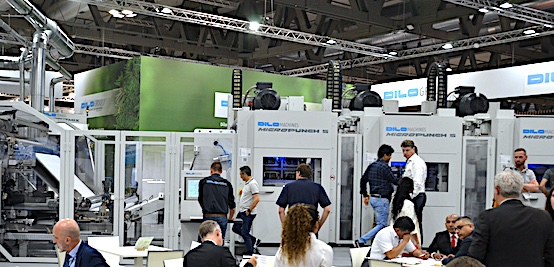
Dilo Group at ITMA ASIA Singapore 2025

At ITMA ASIA Singapore, the Dilo Group will exhibit at Booth No. H2 – D202. Together with Kansan Materials, Izmir, the company will present its latest developments and looks forward to welcoming visitors to exchange ideas and explore innovations in needling technology.

#Nonwovens

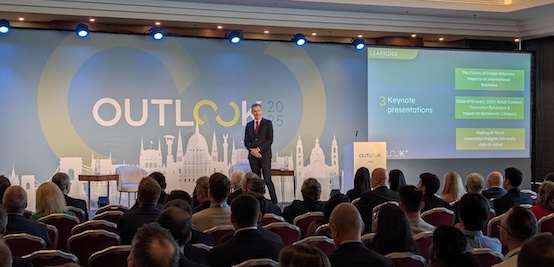
OUTLOOK™ 2025: Charting a sustainable and innovative future for the Nonwovens Industry

EDANA concluded its flagship event, OUTLOOK™ 2025, last week, marking it as a major success and addressing the biggest questions facing the industry. The three-day conference highlighted the urgent need for a unified approach to sustainability, regulation, and innovation in the absorbent hygiene and wipes sectors.

#Nonwovens

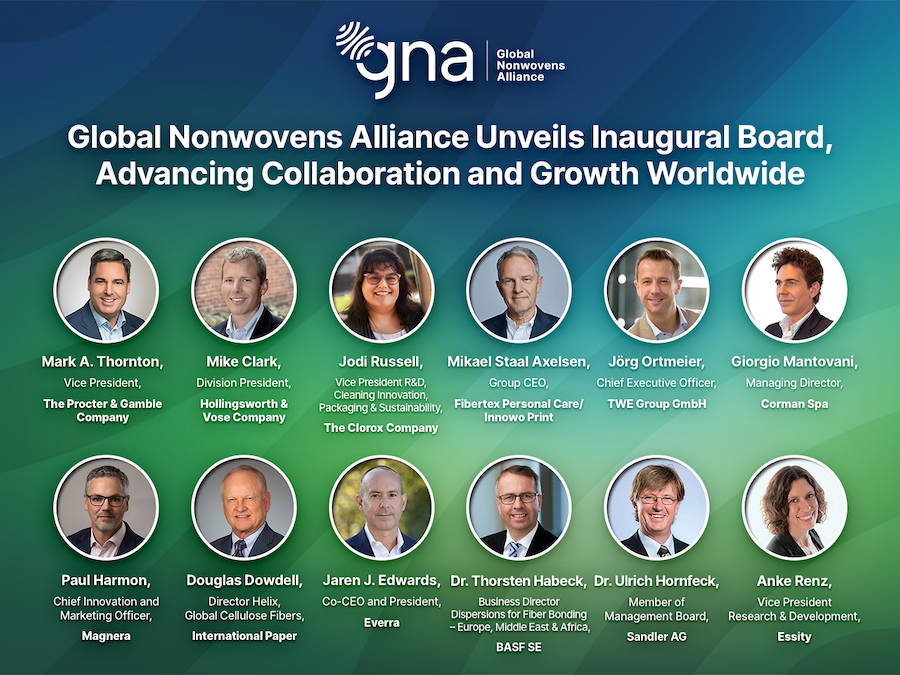
Global Nonwovens Alliance unveils Inaugural Board, advancing collaboration and growth worldwide

The Global Nonwovens Alliance (GNA), a tax-exempt federation jointly founded by INDA, the Association of the Nonwoven Fabrics Industry, and EDANA, the Voice of Nonwovens, announces the appointment of its founding Board of Directors. This group of leaders represents some of the most influential executives across the nonwovens value chain and reflects GNA’s mission to foster global collaboration, innovation, and growth in the industry.

Latest News

#Digital Printing

USColorworks expands digital platform with Kornit Atlas MATRIX and Atlas MAX PLUS solutions

Kornit Digital Ltd. (NASDAQ: KRNT), a global pioneer in sustainable, on-demand digital fashion and textile production, today announced that USColorworks, a North Carolina-based apparel decoration and fulfillment company specializing in custom and on-demand printing for retail and promotional markets, has expanded its Kornit digital production platform with the addition of Atlas MATRIX and Atlas MAX PLUS systems to deliver high-quality, on-demand apparel across cotton, blended fabrics and polyester.

#Functional Fabrics

CovationBio introduces two new bio-based innovations at Functional Fabric Fair New York

Covation Biomaterials LLC (“CovationBio®”) is showcasing its two new bio-based innovations, Xatryx® and Sorona® elasterell-p fiber, at this year’s Functional Fabric Fair in New York City, July 7–9, 2026. Attendees can visit CovationBio at Booth #404 to explore this next generation of bio-based performance materials.

#Research & Development

Geotextiles made from recycled materials: GREEN leads the way into the industry

For the industry, recycled materials are creating new opportunities in geotextile production. In the GREEN project, the Fraunhofer Cluster of Excellence Circular Plastics Economy CCPE demonstrates that recycled polypro-pylene (PP), polyethylene terephthalate (PET), and high-density polyeth-ylene (HDPE) can be processed into nonwovens, fibers, and membranes that meet industrial requirements. This creates opportunities for use in existing production lines and new value chains in the geotextile market.

#Nonwoven machines

A Penteadora starts up ANDRITZ textile recycling and needlepunch nonwoven lines in Portugal

A Penteadora SA has successfully started up a complete mechanical textile recycling line and a needlepunch nonwoven line supplied by ANDRITZ at its production site in Unhais da Serra, Portugal. This investment enables A Penteadora to expand its industrial capabilities and develop a new generation of solutions based on pre- and post-consumer recycled textiles. The input materials originate from its own production waste and other textile waste streams. Both lines are fully operational, and the first products are expected to reach the market in July.

TOP