[pageLogInLogOut]

#Knitting & Hosiery

LAMB Knitting Machine Corp. celebrates 150 years of manufacturing knitting machines

In 1867, the LAMB Knitting Machine Manufacturing Company was formed and started the production of flat V-Bed latch needle knitting machines in Chicopee, MA. The first machines of its type, LAMB machines were manufactured under a U.S. Patent issued to Pastor Isaac W. Lamb.

LAMB sold this new and versatile machine not only in the US but also in Europe. In 1893, the company merged with A.G. Spaulding and changed its name to LAMB Manufacturing Company. In addition to manufacturing flat and circular knitting machines, the company also produced bicycle frames, rifles and shotguns.

The company ceased operations for 2 months in 1931 and then was reorganized as LAMB Knitting Machine Corporation, a private corporation, by four employees of the original LAMB company.  Starting in 1931, LAMB focused its operation on manufacturing narrow fabric V-Bed knitting machines.  These machines were used to produce trimmings for sweaters and other apparel items as well as the fingers on knitted gloves.  
(c) 2018 LAMB KNITTING MACHINE CORPORATION


John W. Giokas purchased LAMB in 1956. From 1940 to 2002, he  guided the company, incorporating semi-automatic machining into the manufacturing process and expanding the product line into small diameter circular weft and warp knitting machines.  The circular machines were used to knit drawstrings, shoelaces and ropes. 

The current owners, Andrew & William Giokas (second generation) joined LAMB in the 1970’s.  In addition to modernizing the manufacturing process, they have developed the new LAMB  knitting machines required to meet the needs of their customers. Gini (Giokas) LaPalme and Amy (Giokas) Lonzcak are other family members who have joined LAMB and are instrumental to this organization.  Amy Lonzcak is the third generation to work at LAMB and, while involved in manufacturing, she now focuses in design and prototype knitting.  Two other members of the LAMB team have been with the company for over 20 years.

(c) 2018 LAMB KNITTING MACHINE CORPORATION


150 years of manufacturing:

A reputation for manufacturing dependable machines, providing timely and effective service to the customer, staying in tune with the needs of the customer, have been the keys to LAMB’s success for 150 years.
(c) 2018 LAMB KNITTING MACHINE CORPORATION

LAMB is only one of two companies that still manufacture knitting machines in the U.S., and is one of the few in the world that is focused on knitting machines to produce materials ranging in size from .050” diameter to 4-inches wide. The experience gained through the years in designing and manufacturing these types of machines and the dedication to producing a quality product has resulted in the world-wide reputation LAMB machines have for dependability.

Up to 1970, LAMB machines were primarily used to knit materials for the apparel and home furnishing industries using cotton, polyester and other man-made traditional yarns. Then applications for small diameter circular knits were created that used wire, fiberglass and other new type of fibers. LAMB modified its machines so that these new fibers could be knit productively. Products knit on LAMB machines can be found in automobiles, furnaces, household appliances and in other industrial products.

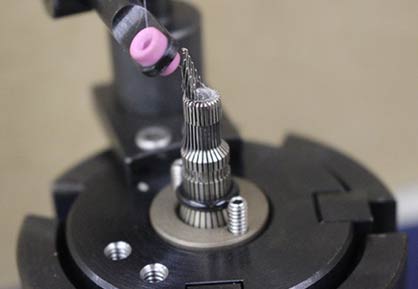
In the past 10 years, new applications for small diameter circular knits have been created. Small diameter knits are now used not only in medical devices such as catheters but to knit items that are implanted into the body, such as stents and arterial grafts. These knits range in size from 1mm to 18mm and use cylinders with needle densities ranging from 30 to 65 needles per inch. LAMB has coupled its experience in manufacturing small diameter knitting machines and researching new manufacturing techniques to develop the machines required to knit these materials.

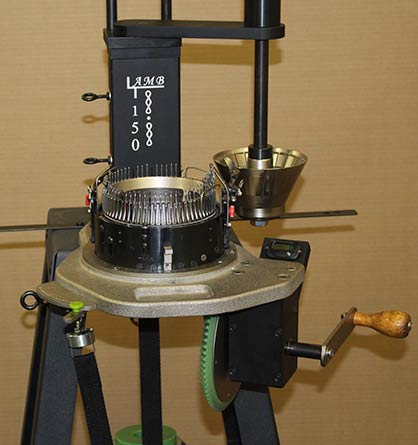
Celebrating 150 years: In the 1870’s LAMB also manufactured the TUTTLE Sock Knitter. It was a hand-cranked machine and was used in many homes to knit socks and caps. Several other similar machines manufactured by other companies followed, but none with all the features of the TUTTLE. A limited number of the original TUTTLE machines are still in use today by home knitters and hobbyists. To answer the requests from members of the Circular Sock Knitting Machine Society and in recognition of its 150 years, LAMB has started manufacturing a limited number of the re-designed version of the TUTTLE Sock Knitter - the LAMB LT150.
More News from Lamb Knitting Machine Corporation

More News on Knitting & Hosiery

#Techtextil 2026

Groz-Beckert showcases cross-segment innovations for technical textiles in Frankfurt

From April 21 to 24, 2026, Groz-Beckert will present its latest innovations and solutions across the product areas of knitting, weaving, nonwovens and sewing at Techtextil 2026 in Frankfurt (Hall 12, Booth B90).

#Techtextil 2026

Shima Seiki showcases WHOLEGARMENT® and 3D knitting solutions for technical textiles at Techtextil 2026

Leading textile technology solutions provider SHIMA SEIKI MFG., LTD. of Wakayama, Japan, along with its Italian subsidiary SHIMA SEIKI ITALIA S.p.A., will be participating in the Techtextil 2026 exhibition in Frankfurt, Germany next month. On display will be WHOLEGARMENT® and other advanced three-dimensional knitting applications across a wide range of industries besides fashion apparel that are not typically associated with knitting, such as technical textiles using industrial materials and advanced three-dimensional knitting.

#Knitting & Hosiery

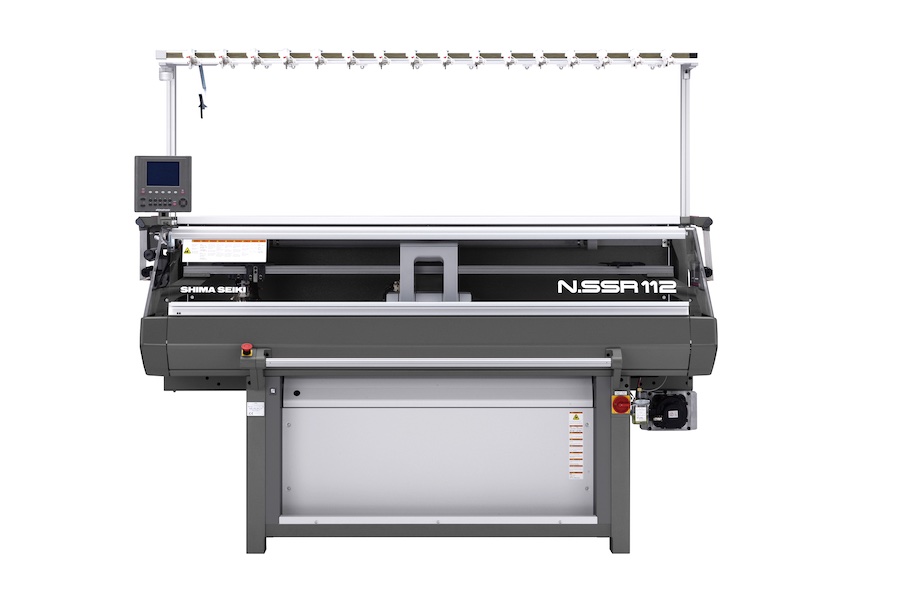
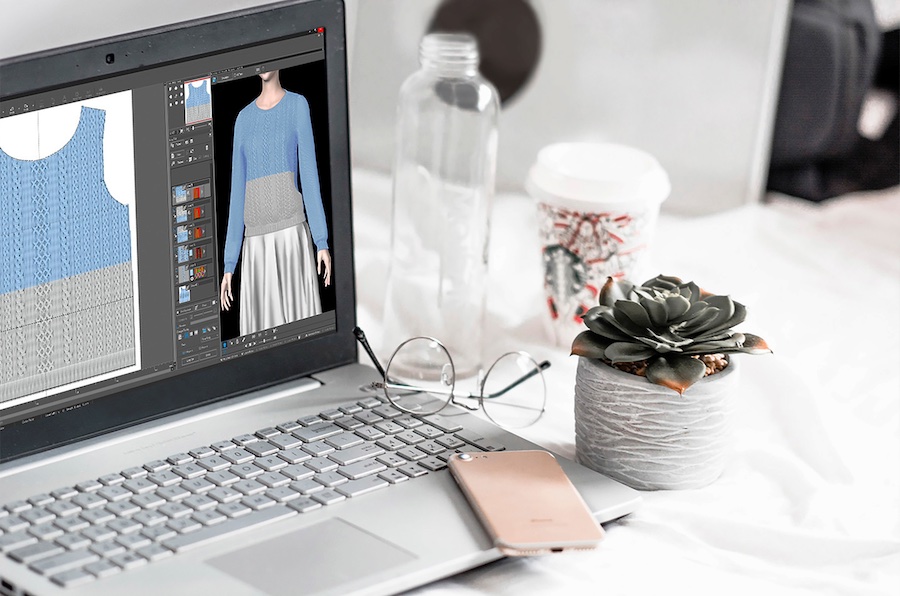
SHIMA SEIKI announces partnership with CLO Virtual Fashion

Leading computerized flat knitting innovator SHIMA SEIKI MFG., LTD. of Wakayama, Japan is partnering with digital garment solutions provider CLO Virtual Fashion of Seoul, South Korea for the integration of technology in garment design and simulation.

#Knitting & Hosiery

Driving WARP KNIT Inspiration

KARL MAYER sees performance fabrics and next-level textile solutions in particular as potential growth drivers for its customers, as a motor for business development and as real game changers for the entire textile industry. Innovation does not happen by chance. It is the result of close exchange with customers & brands, textile expertise and competence in textile machine engineering. This is why KARL MAYER is investing in progress and collaborative development and opening its TEXTILE INNOVATION CEN-TER (TIC) – a place to be for the entire textile world.

Latest News

#Recycling / Circular Economy

ABB and Syre partner to explore technologies for industrial-scale textile recycling

ABB has signed a Memorandum of Understanding (MoU) with Swedish textile impact company Syre to jointly explore technologies to support the development of Syre’s first textile-to-textile recycling plant in Vietnam. The agreement establishes a framework for collaboration to investigate how ABB’s automation, electrification and digital technologies could contribute to safe, efficient and scalable operations. It will also explore how these capabilities could further optimize process and quality control performance as Syre advances its ambition to produce circular polyester at industrial scale.

#Techtextil 2026

From Nature Performance to Circular Economy: Techtextil 2026 focuses on the future market for technical textiles

Alternative materials and recycling technologies are one of the most important future segments and drivers of innovation in technical textiles. Sustainability goals and regulatory requirements increase their relevance, while advances in performance and economic viability enhance their market competitiveness. Taking place from 21 to 24 April 2026, Techtextil reflects this key industry trend with a growing number of specialised exhibitors. With the new “Nature Performance” label, the leading global trade fair bundles relevant market offerings and facilitates access to new solutions – from natural fibres and yarns to bio-based materials and circular approaches.

#Research & Development

Textile cascade filter for removing microplastics from wastewater

Microplastics are now found almost everywhere, even in remote regions of Antarctica. They enter the human body through the food chain. Studies indicate that microplastics may have negative effects on the human health.

#Textile processing

Jeanologia showcases the future of product development

Jeanologia is showcasing how software is transforming product development in the fashion industry at PI Apparel Europe: The Fashion Technology Show, taking place on March 30–31 in London.

TOP