[pageLogInLogOut]
TRÜTZSCHLER SPINNING - THE NEW CARD

#Industry 4.0 / Digitalization

EIM evolves into a new Environmental Intelligence to measure the impact of textile production

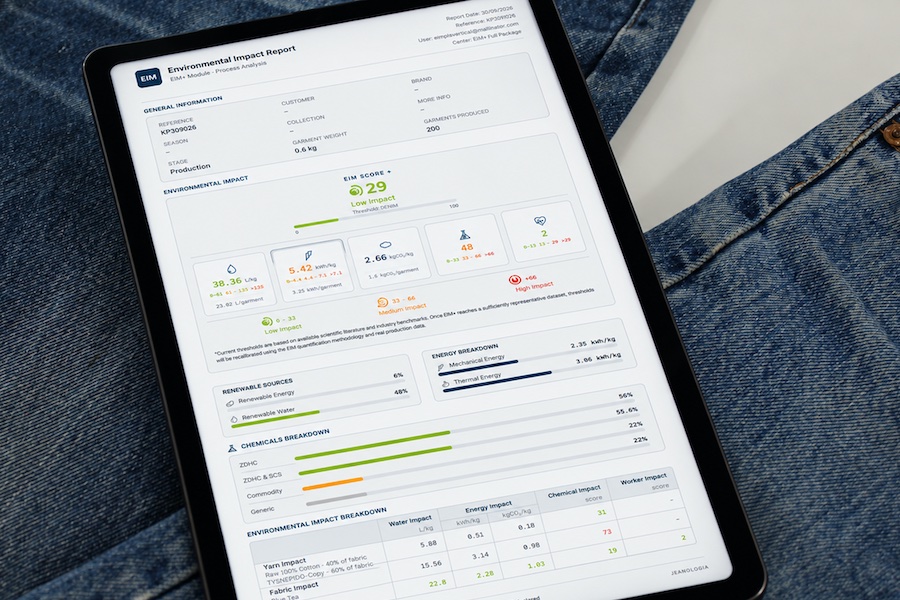
The new EIM introduces dedicated modules for yarn, fabric and garment finishing, bringing the results together under a single methodology to provide an integrated view of each product’s impact. Based on real production data, the information generated is traceable and structured to support tools such as Digital Product Passports (DPP) and Life Cycle Assessments (LCA). © 2026 Jeanologia
¿Do we really know the environmental impact behind a garment? Answering this question remains one of the textile industry’s major challenges. Garment production involves multiple stages, from yarn and fabric to final finishing, carried out by different players across the supply chain. Accesing reliable data from each process, connecting it and establishing a common language are essential to understanding a product’s true impact.


EIM (Environmental Impact Measuring), the global standard developed by Jeanologia to measure the environmental impact of textile production processes, is now taking the biggest step in its evolution. After more than 15 years measuring the impact of garment finishing, it is expanding its scope to measure the different stages of production under a common methodology, connecting traceable and comparable information from yarn to finished garment.

This evolution marks the transition to a new Environmental Intelligence approach, providing a complete view of how a garment was made and the impact generated during its production, measuring water, energy and chemicals use.

From yarn to garment

To make this possible, the new EIM is structured around independent modules for each stage of production. The Yarn Module measures yarn production processes; the Fabric Module covers fabric production; and the Garment Finishing Module, the finishing of the garment.

Each module can measure an individual production stage independently, while EIM+ connects the results to provide a complete view of the product. This also expands the scope of EIM: from a methodology historically associated with denim and garment finishing to a system that can be applied to any type of textile product, from yarn to finished garment.

EIM evaluates impact across water, energy and chemicals, while also assesing worker impact at the garment-finishing stage. Using a common methodology, EIM classifies the product’s environmental performance as low, medium or high impact, making the results clear and easy to compare.

Information that travels with the product

EIM’s evolution also enables information generated at different stages of production to be connected while maintaining its traceability. EIM uses primary data directly from production processes, applying a common methodology to ensure consistency and comparability.

The resulting information is structured for use in Life Cycle Assessment (LCA) and the Digital Product Passport (:), allowing environmental data generated during manufacturing to stay connected to the product.

As requirements for traceability and environmental information continue to grow, EIM gives brands and manufacturers easier access to reliable, structured information, removing the need to reconstruct a product’s impact from fragmented data scattered across the supply chain.

Built by the industry, for the industry

“EIM was created more than 15 years ago to address a very specific industry need: measuring the environmental impact of garment finishing. Today, the challenge is much broader. We need to understand what lies behind the entire product, connect the different stages and enable the whole supply chain to speak the same language. This evolution towards Environmental Intelligence allows us to take that step, using measurement to understand, compare and keep improving,” says Begoña García, EIM Director.

EIM was created within Jeanologia in 2009 and opened to the wider industry in 2011. Since then, the methodology has evolved alongside brands and manufacturers to become a global standard, used by more than 100 brands and 400 production facilities in over 50 countries.

More than 15 years later, EIM is expanding beyond garment finishing to cover the different stages of production and any type of textile product. Developed by and for the industry, this evolution draws on the experience and real-world needs of the brands and manufacturers that use it.


More News from JEANOLOGIA S.L.

#Industry 4.0 / Digitalization

Jeanologia and BCome connect factory data with Life Cycle Assessment and Digital Product Passports

A new white paper by EIM by Jeanologia and BCome demonstrates how primary environmental data from denim finishing processes can be integrated into a garment's Life Cycle Assessment (LCA) and prepared for use in a Digital Product Passport (DPP). A comparative case study highlights significant improvements at the production stage while also showing how these translate into the environmental performance of the finished garment.

#Industry 4.0 / Digitalization

Jeanologia presents expanded EIM platform and COMMON GROUND collection at Kingpins Amsterdam

Jeanologia is presenting two approaches to textile product development at Kingpins Amsterdam on October 14–15: measuring the environmental impact of textile production and exploring new creative possibilities through garment finishing technologies.

#Sustainability

Jeanologia Sustainability Report highlights environmental impact of textile technologies

Jeanologia has published its Sustainability Report 2025, reporting a 13.64% reduction in its own carbon footprint and quantifying the environmental impact associated with the use of its technologies across the global textile industry. According to the company’s calculations, their use avoided the pollution of 21.52 million m³ of water and emissions of approximately 103,530 tonnes of CO₂ compared with conventional textile finishing processes.

#Recycling / Circular Economy

HKRITA signs MoU with Jeanologia and Looptworks to establish the Green Machine Circular Textile Ecosystem

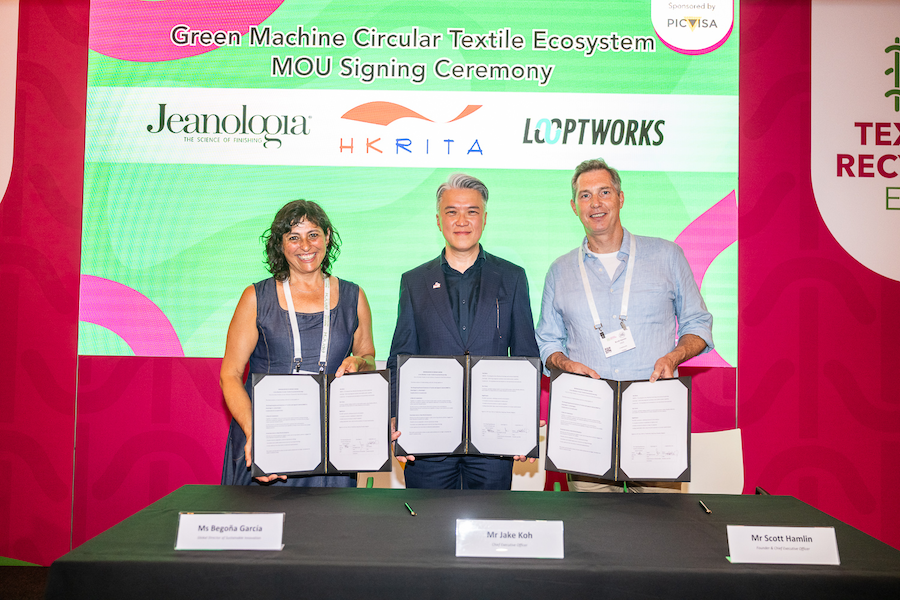
The Hong Kong Research Institute of Textiles and Apparel (HKRITA) yesterday officially signed a landmark Memorandum of Understanding (MoU) with two key global partners, Jeanologia and Looptworks, to establish the Green Machine Circular Textile Ecosystem – a first-of-its-kind collaboration to accelerate the large-scale recycling of blended textiles.

More News on Industry 4.0 / Digitalization

#Industry 4.0 / Digitalization

White House reduces production planning time by up to 80% with Coats Digital’s FastReactPlan

Indian garment manufacturer White House has reduced its production planning cycle by 60–80% following the implementation of Coats Digital’s FastReactPlan software. The integrated planning solution provides greater visibility across production, capacity and material requirements while supporting faster decision-making and improved delivery performance.

#Software

UNIFEQ Europe adopts Coats Digital’s GSDCost and AI-powered GSDQuest to support rapid growth

Coats Digital is pleased to announce that rapidly growing Polish defence and uniform manufacturer UNIFEQ Europe Sp. z o.o. has invested in its award-winning GSDCost solution together with its AI-powered GSDQuest platform to establish a consistent approach to garment costing, improve sewing-floor productivity and accelerate labour costing for tenders and new products.

#Industry 4.0 / Digitalization

Orient Rongheng connects production planning across China and Bangladesh with FastReactPlan

Chinese apparel manufacturer Orient Rongheng is implementing Coats Digital’s FastReactPlan to digitalize production planning across its manufacturing operations in China and Bangladesh. The project aims to connect capacity, materials and order planning across multiple factories while integrating these processes with the company’s existing ERP and Manufacturing Execution System (MES).

#Industry 4.0 / Digitalization

Lectra launches Apogy with agentic AI for fashion product development

Lectra has launched Apogy, a new cloud-based solution for fashion product development that combines product data, collaborative workflows and agentic artificial intelligence. The platform is designed to connect the different stakeholders and processes between initial design and production while using AI agents to automate tasks and support decision-making throughout the development cycle.

Latest News

#India ITME 2026

Trützschler brings intelligent fiber processing and automation to India ITME 2026

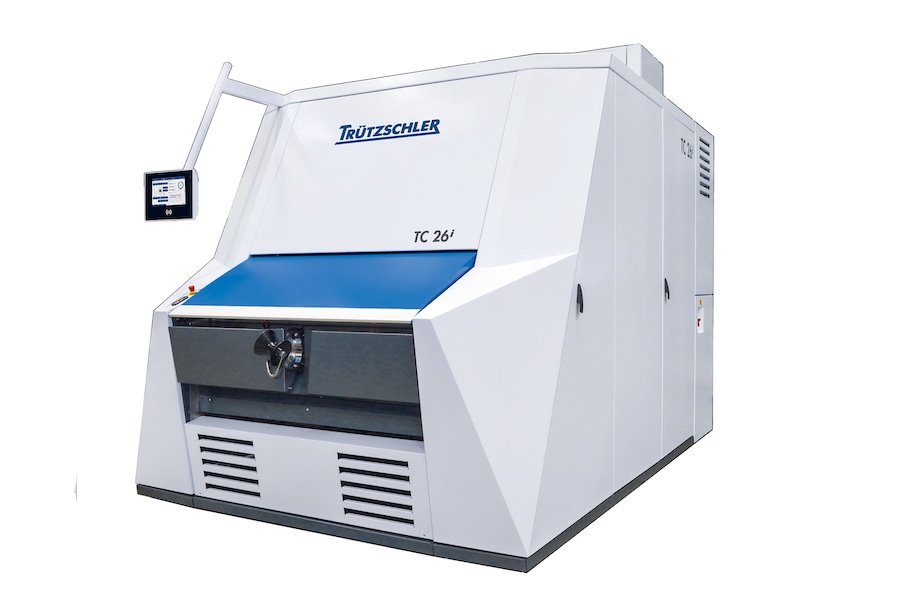
From December 4 to 9, 2026, the Trützschler Group will present its latest innovations in spinning, card clothing and nonwovens at India ITME in Greater Noida, India. At Hall 11, Booth B15, visitors can discover solutions designed to increase productivity, reduce operating costs and ensure consistently high product quality. Key highlights include the intelligent card TC 26i, the 12-head comber TCO 21XL, innovative card clothing solutions for improved fiber utilization and quality, as well as advanced nonwovens technologies for hygiene, wipes and technical applications.

#Recycling / Circular Economy

Circulose resumes recycling of discarded cotton textiles and appoints interim CEO

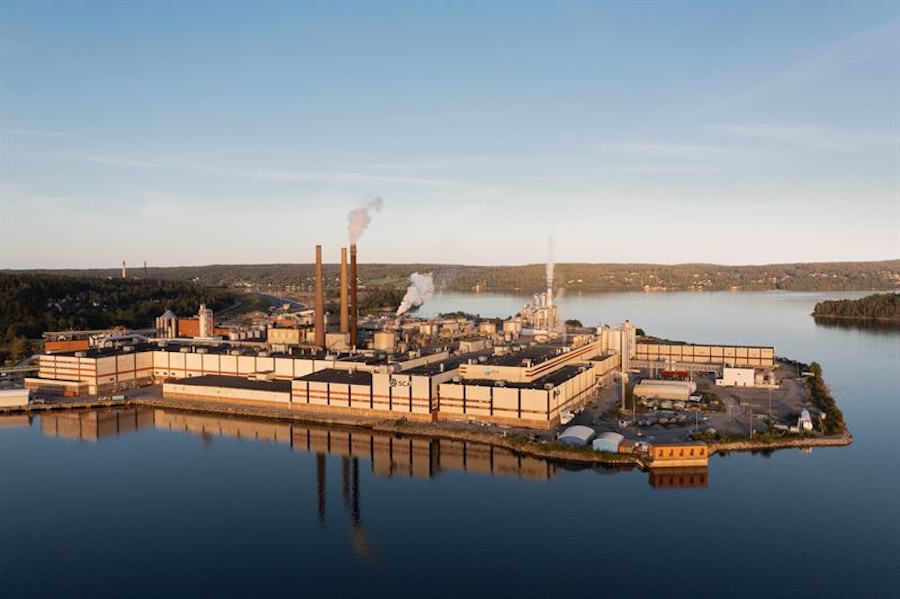
Circulose today announced its restart of commercial-scale production plant at Ortviken in Sundsvall, Sweden, marking a significant step in scaling next-generation materials for the global fashion industry. The Ortviken plant is the world’s first commercial-scale chemical textile recycling facility. Its restart demonstrates that the fashion industry is seeking ways to scale proven solutions that move beyond pilots and into commercial production.

#ITMA Asia + CITME 2026

Itema brings textile versatility to ITMA ASIA + CITME 2026

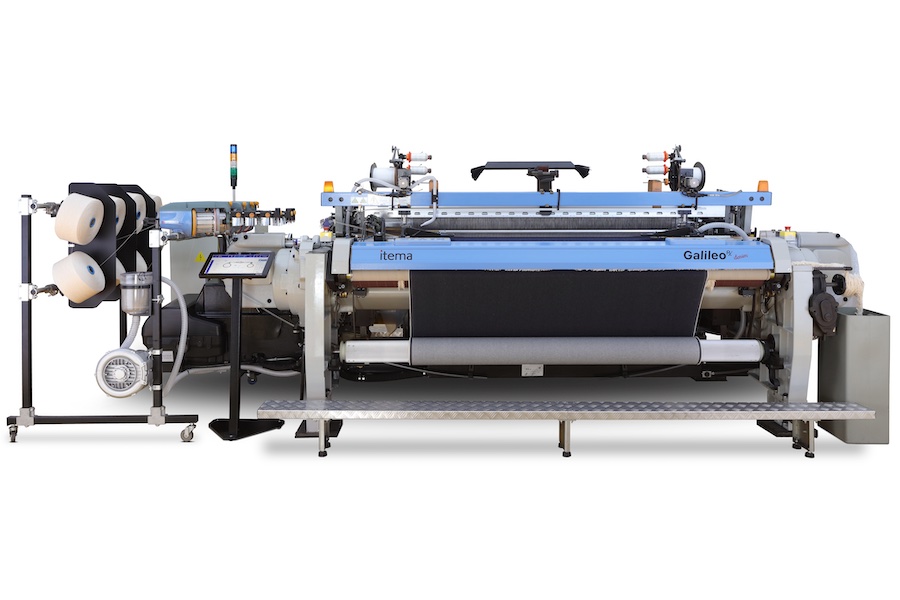
Itema announces its participation in ITMA ASIA + CITME 2026, taking place November 20–24 at the National Exhibition and Convention Center in Shanghai. In Hall 3 – Stand D06, the company will showcase two Galileo-RX rapier weaving machines weaving heavy denim and conveyor belt fabrics, demonstrating its ability to address different textile requirements with application-specific configurations. Five additional Itema machines at partner booths will extend the exhibition lineup to upper shoe fabric, label, Jacquard leno fabrics, and shirting, offering visitors a broader view of Itema rapier and air-jet weaving technologies.

#Dyeing, Drying, Finishing

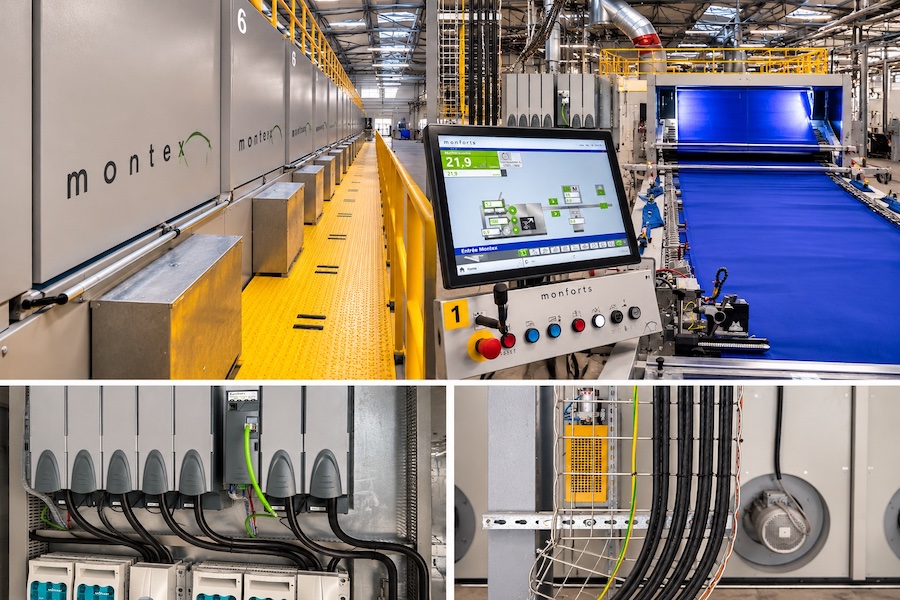
AEI reaps the benefits of all-electric new Monforts range

The impact of the rising cost of energy on the textile industry has been well documented, with some European countries paying up to seven times more to run their manufacturing operations than in other regions of the world.

TOP