[pageLogInLogOut]

#Industry 4.0 / Digitalization

Global coalition calls for digital labeling

The American Apparel & Footwear Association (AAFA), the International Apparel Federation (IAF), and 128 additional organizations from all corners of the globe, today delivered a letter to supranational, national, and local authorities around the world to modernize domestic textile, garment, footwear, and related accessories labeling requirements and legally allow more sustainable and economic, digital labels for required labeling information.

Global coalition calls for digital labeling to reduce waste and increase consumer access to information

The 130 signatories represent the global fashion and sportswear industry, and its enablers and stakeholders, including those representing materials such as leather, wool, and textiles; and those working to advance sustainability, circularity, and authenticity solutions.

Industry estimates show that, collectively, labeling requirements now result in the annual production of approximately 5.7 million miles (about 9.2m km) of label tape – enough to stretch from the earth to the moon, and back, twelve times each year.

“Consumers today want more information with less waste. The opportunities are endless if digital opportunities are unlocked. Purchasers will gain access to more detailed and accurate information about the textiles, garments, footwear, and related accessories they are considering buying, such as more in-depth materials and origin information. It also unlocks more information throughout the garment’s lifecycle, including details about resale, repair, rental, upcycling, or recycling. This is one tool for a more responsible and agile global industry,” said AAFA president and CEO Steve Lamar. “We need the Federal Trade Commission, and sister agencies around the globe, to update their rules to give companies the option to meet labeling standards using digital means.”

As the letter states, “Shifting to the use of digital labels would significantly reduce labeling waste and significantly aid in decarbonization efforts, resulting in the elimination of at least 343,000 MT of CO2e from industry supply chains. … With greater demand for more traceability, transparency, and accountability from all stakeholders in the industry’s global value chain, the time for supranational, national and local authorities to act and update these outdated, inflexible, and complex labeling requirements and empower their consumers with more accessible information through greener e-labeling is now.”


“It is crystal clear we need to progress to digital labelling for apparel and footwear. The global environment needs it, the industry wants it, and consumers are expecting it. A patchwork of often very old-fashioned legislation across the world is blocking the logical path to modern garment and footwear labelling. There is no alternative to full global industry collaboration and coordination to remove these roadblocks to achieve digital labeling faster,” said IAF Secretary General Matthijs Crietee.

Access the full letter. Find more information on this initiative with #CutTheTape and this video about U.S.-based initiatives to urge the Federal Trade Commission and Congress to modernize labeling requirements.

Digital labeling will be one of the many topics covered at IAF’s 38th World Fashion Convention. The convention will be held together with the Sewn Products Equipment Suppliers Association of the Americas (SPESA) in Philadelphia, Pennsylvania October 22-25 of this year, the first time it has been hosted in the U.S. in more than two decades.


More News from INTERNATIONAL APPAREL FEDERATION (IAF)

#Textiles & Apparel / Garment

IAF Position on tariffs

The International Apparel Federation (IAF) represents the apparel manufacturing community across more than 40 countries—a global industry comprising hundreds of thousands of companies and millions of employees. Apparel and textiles are among the most globalized industries, historically foundational to industrial development around the world.

#Associations

IAF and ITMF unite global fashion and textile leaders

The joint ITMF Annual Conference and IAF World Fashion Convention was held on September 8-10 in the historic city of Samarkand, Uzbekistan. This year’s convention, co-organized by the International Apparel Federation (IAF) and the International Textile Manufacturers Federation (ITMF), and hosted by Uztextileprom, the Uzbekistan Textile and Garment Industry Association, and the Chamber of Commerce & Industry, Uzbekistan highlighted the crucial interdependence of our sectors.

#Associations

Partnership ITC and IAF: Full supply chain profitability

The International Trade Centre (ITC) and the International Apparel Federation (IAF) announce a partnership to stimulate innovation towards “full supply chain profitability” for apparel manufacturers and brands. The first phase of collaboration is research to be previewed at the 38th IAF World Fashion Convention, Philadelphia, October 23-24. Applying learning in autos and electronics, a joint study articulates how material suppliers and garment manufacturers create ‘smart flexibility’ by postponing production commitments closer to actual demand, unlocking capital from unneeded inventory and excess production. Smart Flexibility is a new approach that uses a mix of process and data tools enabling suppliers to create additional value for brands and manufacturers alike that supersedes the benefits of lowest cost global sourcing.

More News on Industry 4.0 / Digitalization

#Dyeing, Drying, Finishing

Monforts unveils interactive digital platform for textile finishers

Monforts has launched a new digital platform designed to give textile manufacturers faster, more intuitive access to the company’s finishing technologies, technical expertise and aftersales support worldwide.

#Spinning

Barmag presents the next generation of POY production – energy-efficient and partial-automated

With POY 2.0, Barmag is introducing a completely redesigned spinning concept that takes the production of partially oriented yarn (POY) to a new level in terms of technology and economy. The solution, which was presented to a selected audience of experts for the first time at ITMA Asia + CITME 2025, was met with great enthusiasm: several yarn producers worldwide immediately expressed their interest in a pilot plant.

#Sustainability

OEKO-TEX® chooses TextileGenesis to advance digital traceability for organic cotton

OEKO-TEX® today announced a full collaboration with TextileGenesis, a Lectra company, to digitally trace and authenticate organic cotton, strengthening fraud prevention across the supply chain. This announcement follows a successful pilot and brings together OEKO-TEX®’s certification expertise and closed testing system with TextileGenesis’ digital traceability platform to deliver a secure, end-to-end solution for managing certified organic cotton flows.

#Research & Development

Kick-off for the Textile Production of the Future: Establishment of a Textile Technology and Development Centre in Mönchengladbach, Germany

The Institut für Textiltechnik (ITA) of RWTH Aachen University, together with its partners, is pleased to announce that it has received approval for its joint initiative, ‘Textile Factory 7.0’. The goal of the project is the establishment of a technology and development centre for the textile industry in Mönchengladbach.

Latest News

#INDEX 2026

EDANA unveils nominees for INDEX™26 Awards: Highlighting the next generation of nonwoven excellence

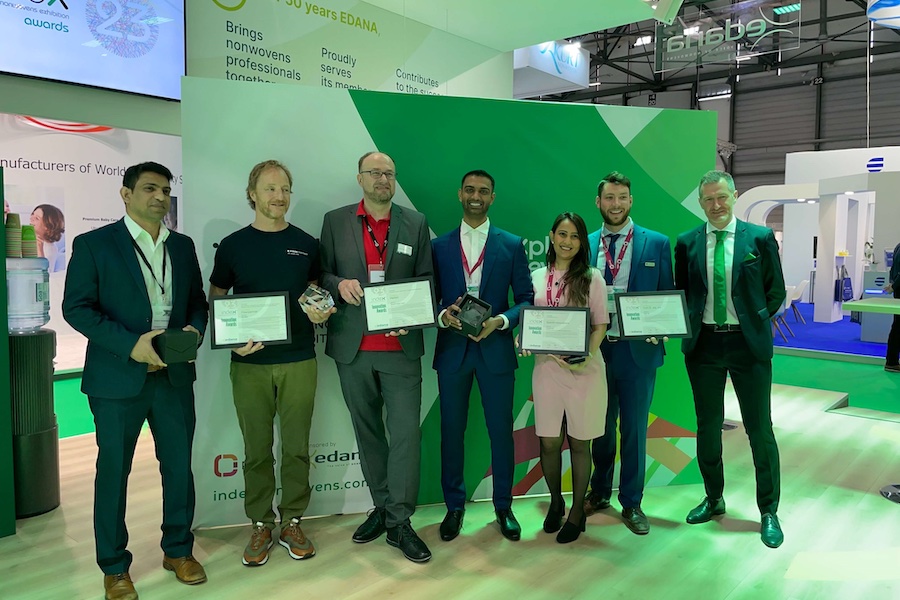
EDANA is proud to unveil the highly anticipated nominees for the INDEX™26 Awards, the nonwoven industry’s highest accolade for technical and sustainable excellence. Out of a record-breaking field of entries, these finalists represent the cutting edge of material science—from bio-based hygiene fibers and PFAS-free protective textiles to revolutionary water-filtration machinery. Each nominee has been selected by a jury of industry experts for their ability to solve critical global challenges, including the transition to a circular economy and the pursuit of enhanced consumer performance.

#Raw Materials

Lenzing Group positions bio‑based materials as a strategic asset for Europe’s economic security

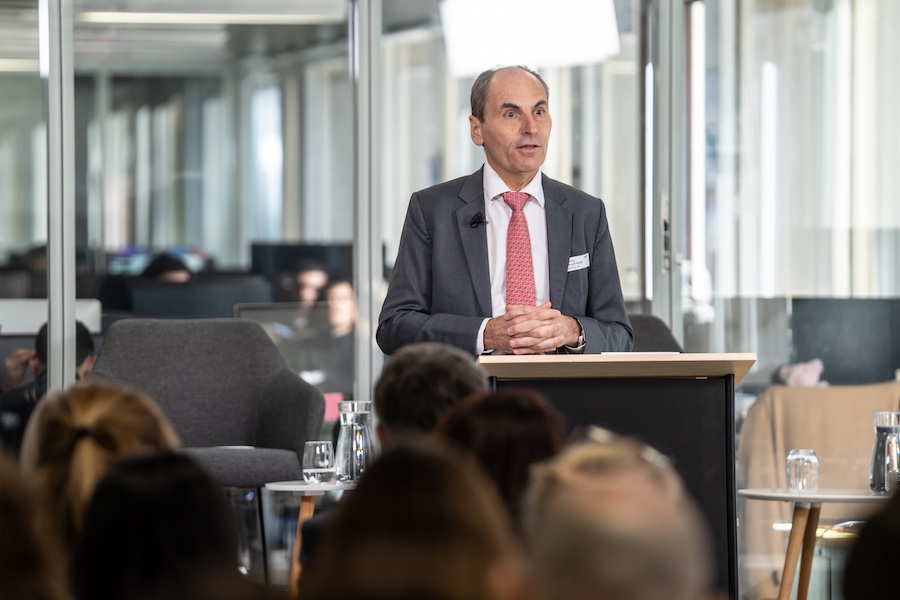
The Lenzing Group, a leading supplier of regenerated cellulose fibers for the textile and nonwovens industries, hosted a high‑level roundtable in Brussels to discuss how bio‑based materials can strengthen Europe’s economic security and support the shift toward a fossil‑free future. Organized in cooperation with Euractiv, the event brought together representatives of the European Commission, the UK Mission to the EU, academia, civil society, and industry.

#Natural Fibers

Beyond Cotton: Natural Fibres in the Spotlight at the Bremen Cotton Conference - Branded by DNFI

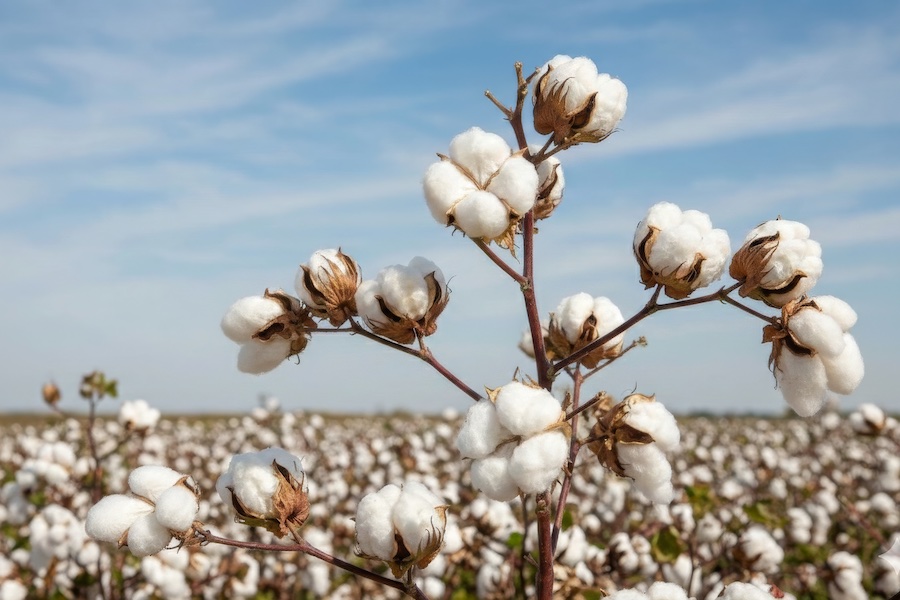
Climate targets, fragile supply chains, and rising regulatory requirements are fundamentally changing the perspective of the textile industry - the focus is increasingly shifting toward the base material. Not only cotton, but natural fibres are gaining significant importance: they stand out not only because of their outstanding functional properties, but also because they make a valuable contribution to the bioeconomy and responsible product development.

#Textiles & Apparel / Garment

Coats to showcase innovative reinforcement and filler materials for leather goods and accessories at APLF 2026

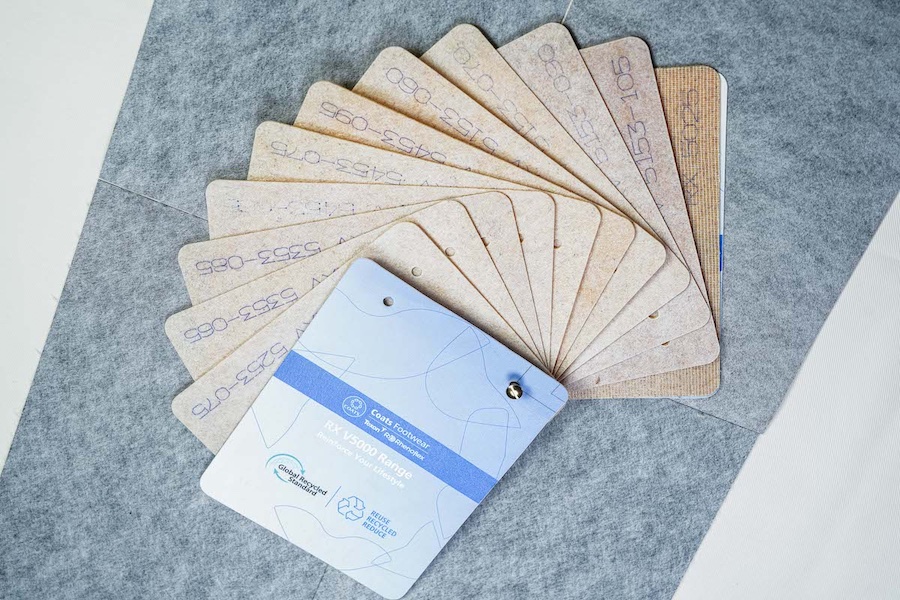
Coats, a world-class Tier 2 manufacturer and trusted partner for the apparel and footwear industries, will be promoting four advanced materials from its ‘Lifestyle Solutions’ portfolio at APLF 2026 in Hong Kong in March. Each innovation has been specifically engineered to help luxury and premium brands elevate the craft, durability, sustainability and creative expression required in the manufacturing of handbags, purses, and other high-end designer accessories.

TOP