[pageLogInLogOut]

#Embroidery

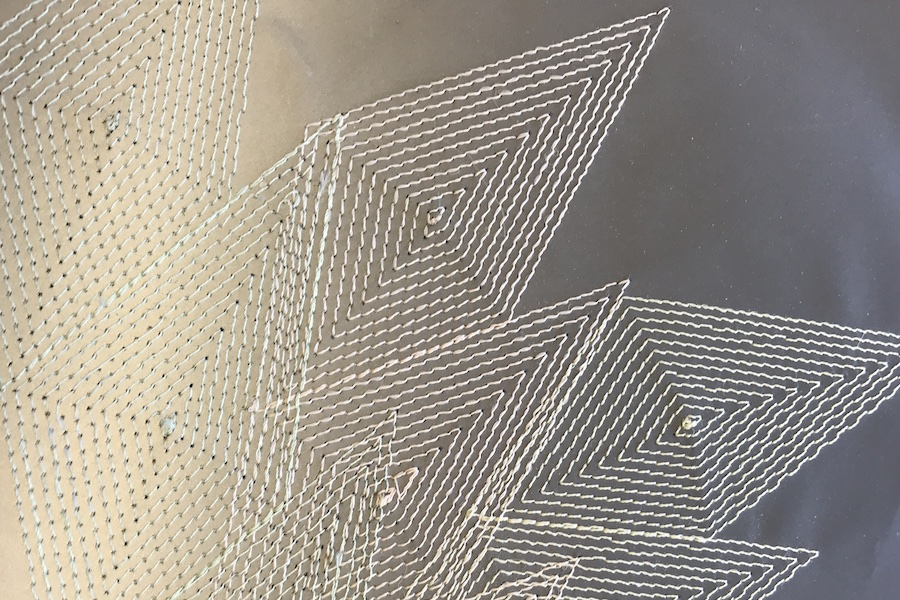
Saurer sells its embroidery business to Lässer
© 2022 Saurer
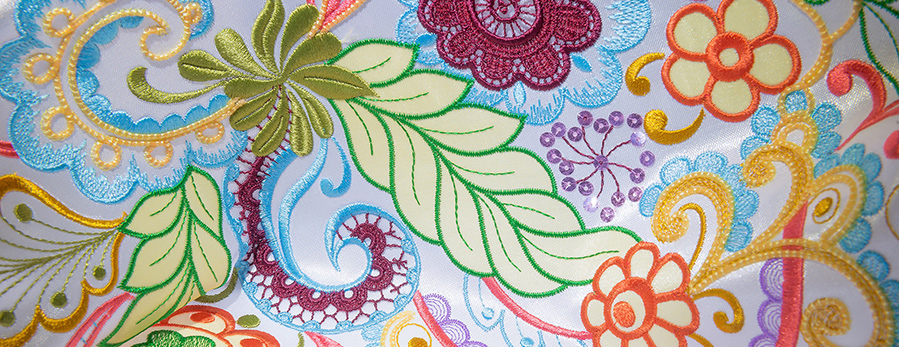
The embroidery business unit of Saurer Intelligent Technology AG has been taken over by Lässer Holding AG, the shuttle embroidery machine manufacturer based in Diepoldsau, St Gallen, Switzerland. The majority of employees was taken over. The transfer of operations will be completed by end May 2022.

This step represents a consolidation of the two market leaders in the production of shuttle embroidery machines. Lässer is a family-owned company and was founded in 1954. Saurer developed the first shuttle embroidery machine as early as 1878.

In this asset deal, all the assets and contracts allocated to the embroidery business will be transferred to Lässer Holding AG.

"We are confident that with the newly combined knowledge, Lässer will lead the industry to sustainable success. We believe we have found the best solution for both our customers and employees with this measure," explains Anton Kehl of Saurer Intelligent Technology AG. "While this decision was not easy for us, we are positive about the future of the shuttle embroidery market in this new configuration."

Lässer has its headquarters and production facility in Diepoldsau along with a further 12 sites worldwide, including in Turkey, India and Thailand.


Franz Lässer, co-owner and chairman of the board of directors of Lässer Holding AG, says: "As a proud Swiss company, it made sense for us to join forces with another well-known name in the industry. With this step, we are pooling more than two centuries of knowledge and look forward to continuing to inspire our customers around the world with innovative developments."

For customers, the retention of employees ensures that the Saurer embroidery machines will be optimally supported and maintained in the future.

Saurer Intelligent Technology AG Textilstrasse 9 9320 Arbon Switzerland 


More News from Saurer AG

#ITMA Asia + CITME 2026

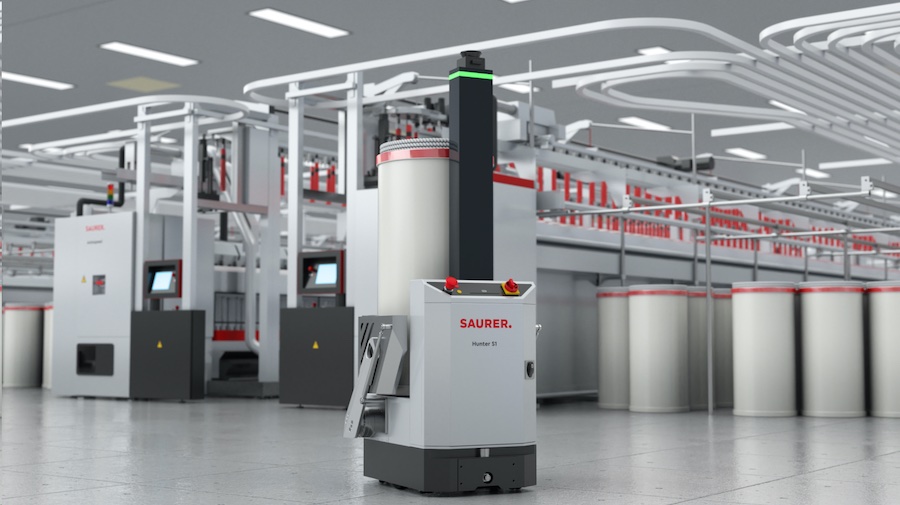
Saurer showcases flexible spinning solutions from bale to yarn at ITMA ASIA + CITME 2026

At ITMA ASIA + CITME 2026 in Shanghai, Saurer will demonstrate how its advanced technologies enable maximum flexibility across the entire spinning process, from bale to yarn and twisting. Visitors to hall 6.1, booth A58, can explore solutions designed to optimise production, improve efficiency and help mills respond quickly to changing market demands. Saurer's experts will be available to discuss individual production challenges and tailored solutions.

#ITM 2026

Saurer at ITM 2026: Answering markets needs for flexibility

The textile industry is facing unprecedented challenges: geopolitical tensions, natural disasters and pandemics and are changing market conditions overnight. Today, flexibility is no longer an option, but a survival strategy. At the ITM 2026 in Istanbul, Saurer will be demonstrating how modern machine technology delivers flexibility – from bale to yarn – in hall 7 at booth 709 A.

#Techtextil 2026

Saurer sets new standards at Techtextil 2026

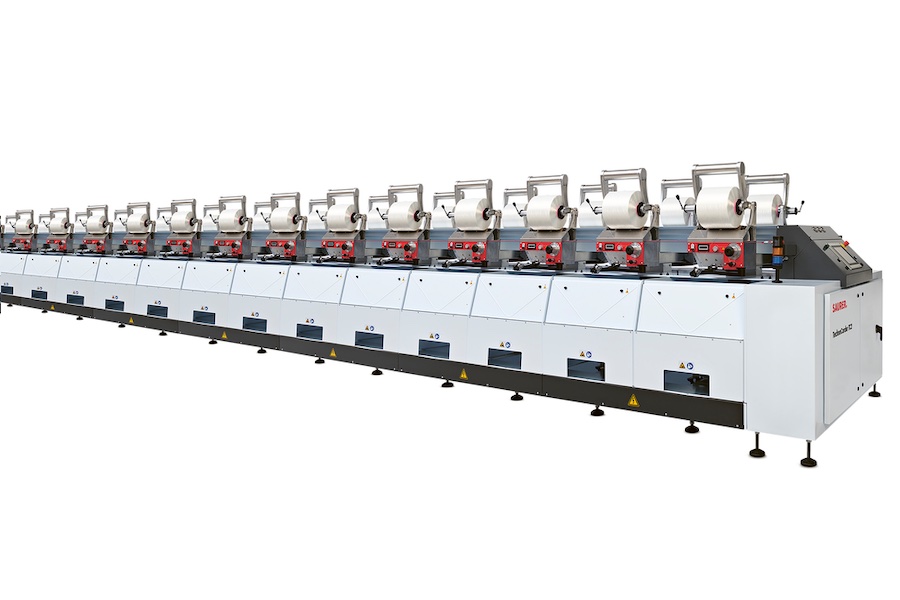
When the international textile industry gathers at Techtextil in Frankfurt from April 21 to 24, Saurer is going to present a powerful solution for the growing demands in the field of technical yarns with the TechnoCorder TC2plus.

#Spinning

Saurer Technologies Twisting Solutions at ICFE 2026

Saurer Technologies Twisting Solutions, a global leader in textile machinery innovation, will be present at the International Carpet and Flooring Expo ICFE 2026. Join us January 6–9 at the Istanbul Expo Center, Türkiye, as industry leaders, manufacturers, and innovators gather to explore the latest breakthroughs in carpet and flooring technology. Let’s meet at the new established global Center of the Carpet Sector in hall 3, booth 300!

More News on Embroidery

Latest News

#Knitting & Hosiery

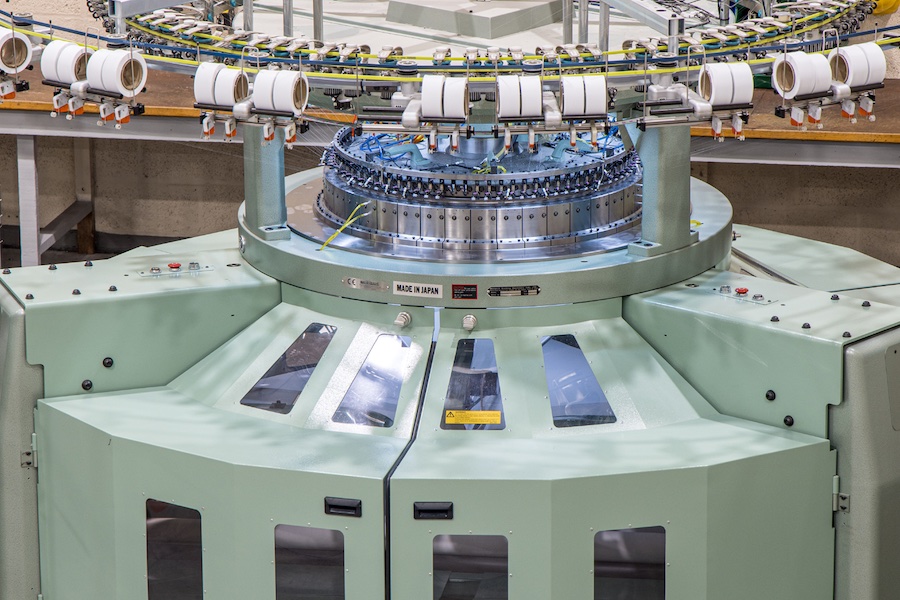
Monarch extends its Woven Look knitting technology from mattress ticking to apparel and performance textiles

A fabric technology originally developed to reproduce the appearance of woven mattress ticking by Monarch Knitting Machinery, a member of the British Textile Machinery Association (BTMA), is finding new applications in apparel. With the introduction of its 36-gauge OD5B-M-7ED44 double-knit machine, Monarch is expanding the possibilities for producing fine knitted structures that closely resemble woven textiles while retaining the stretch and comfort associated with knitting.

#Recycling / Circular Economy

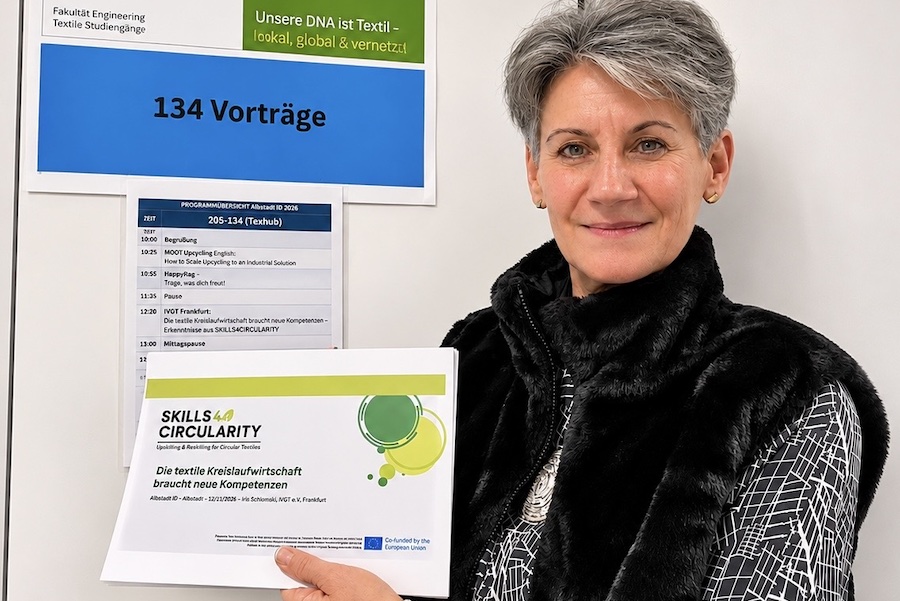
IVGT presents initial findings from the Erasmus+ project Skills4Circularity

At Albstadt ID 2026, hosted by Albstadt-Sigmaringen University of Applied Sciences, IVGT project manager Iris Schlomski presented initial findings from Skills4Circularity on 12 November 2026. She opened her presentation with an estimate from the European Environment Agency: the EU generated around seven million tonnes of textile waste in 2022. The Erasmus+ project brings together 21 partners from twelve countries to identify the skills textile and clothing professionals need to design more durable products, use fewer resources in production and recover fibres after use.

#India ITME 2026

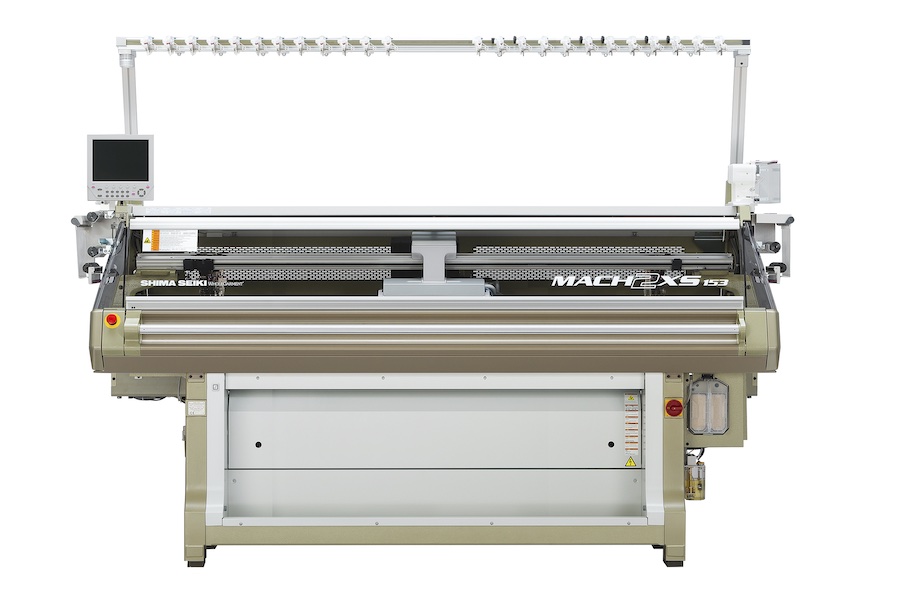
SHIMA SEIKI connects knitting innovation, digital product development and automated cutting at India ITME 2026

Japanese textile machinery and technology specialist SHIMA SEIKI MFG., LTD. will present a comprehensive portfolio of advanced knitting, digital design and automatic cutting solutions at India ITME 2026 in Greater Noida from 4 to 9 December. At Hall 14, Booth D1, the company will showcase its latest WHOLEGARMENT® and shaped knitting technologies, digital product development solutions and the Indian premiere of its new P-CAM® R multi-ply automatic cutting machine, designed for a wide variety of industries beyond fashion apparel.

#Raw Materials

Cotton Brazil calls for balanced textile sustainability regulations and stronger international cooperation

Cotton Brazil has concluded its strategic agenda in Brussels, Belgium, reinforcing the importance of recognising natural fibres in European sustainability policies and expanding exchanges with policymakers, agricultural attachés and representatives of cotton-producing countries. Discussions at the European Parliament highlighted the need for balanced textile sustainability regulations, while meetings with cotton-producing countries opened opportunities for international cooperation.

TOP