[pageLogInLogOut]

#Dyeing, Drying, Finishing

Processing fabric at the maximum speed with ICOMATEX Auto-Speed system.
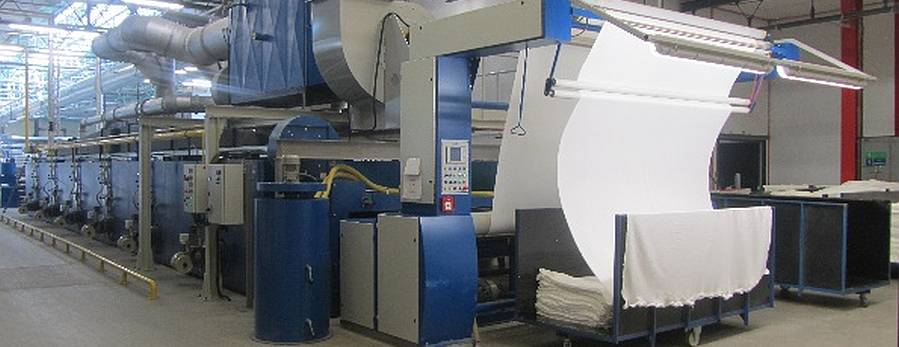
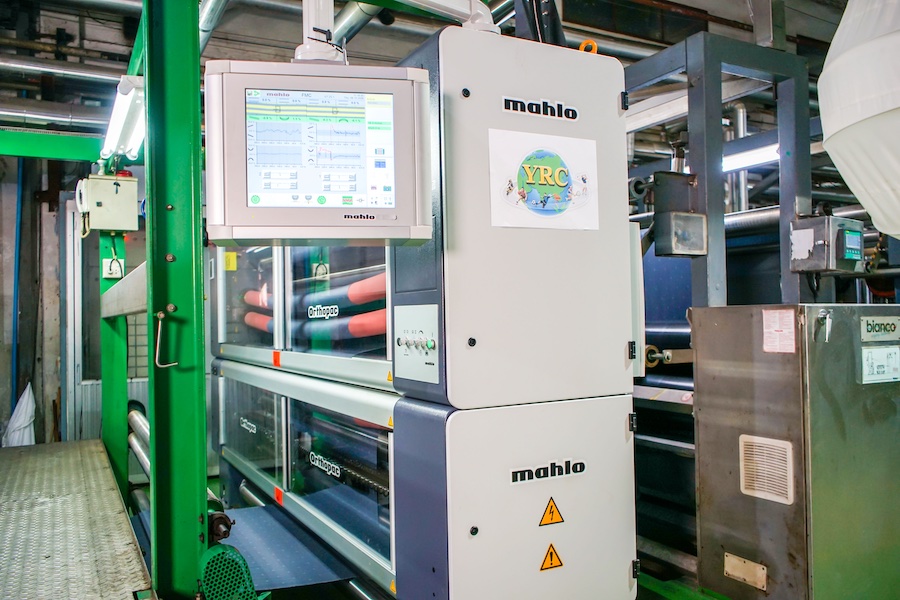
The ICOMATEX Stenter models IC-10 plus and IC-8 plus are currently equipped with the new Auto-Speed System (c) 2015 Icomatex
The Spanish finishing machinery manufacturer ICOMATEX has developed a new Auto-Speed system for stenters. The solution bases on an performance analyses made by ICOMATEX. As a result ICOMATX has been worried about the poor performance that some stenters have in many units.
According to ICOMATEX many efforts are made on the dyeing process trying to reduce the price and use of chemicals, water, lowering process time, etc etc, but less people think about the stenter. That was a reason ICOMATEX did so and and they asked themselves questions like ‘who sets the speed?’,  ‘will companies get less quality processing fabric at higher speed and maybe lower temperature?’ and ‘are stenters giving companies enough money or is it just a cost?’. The analyses showed that some times (in fact many times), the answer is no.

To solve this problems the Spanish stenter frame experts developed their new Auto-Speed system. This system sets the highest possible speed in the processes of heat setting, without having to rely on any operator. “We just need to introduce into our software some basic parameters and the machine automatically sets the optimum working speed to maintain the quality of each fabric, says xx, yy of ICOMATEX.

The ICOMATEX Stenter models IC-10 plus and IC-8 plus are currently equipped with the new Auto-Speed system. Thanks to the ICPROD automatic production and management controlsystem, each company can work at top speed in the heat setting process with the consequent increase in production and savings in energy costs per meter produced to be more competitive.

Pressing more or less with the padder, giving just a bit more % of overfeed will result on different amount of moisture which needs to be dried but the stenter runs at the same speed because the recipe says it. Recipes do not know if the fabric has more or less moisture, if the cylinder is giving the right amount of overfeed because the rubber which covers it has more or less grip.

“Our system can help companies on that”, says Mr. Santi Marti, Export Area Manager at Icomatex and adds a message to finishing companies:”How much money would mean getting just 1 meter per minute extra in your machine??? Please make the calculation because that meter comes almost for free.”
More News from Icomatex s.a.

More News on Dyeing, Drying, Finishing

Latest News

#Textile processing

Jeanologia combines digitalisation, laser and ozone technology to strengthen China’s textile competitiveness

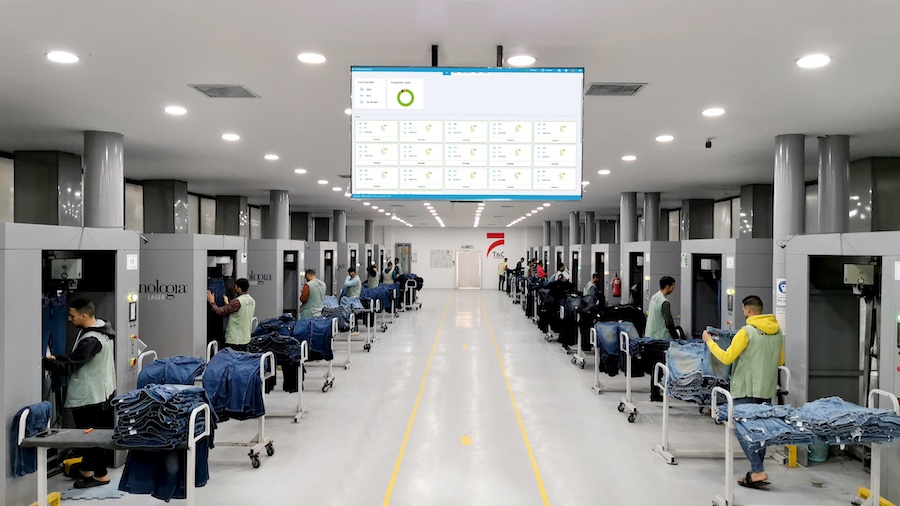
At ITMA Asia + CITME 2026 in Shanghai, Jeanologia showcased how the combination of digitalisation, laser technology and G2 Ozone can help China’s textile industry improve productivity, speed, quality and efficiency. With its Compact Super Flash laser system and integrated production concepts, the Spanish technology specialist demonstrated how connecting product development and industrial production can enable faster, more automated and sustainable manufacturing processes.

#Textile chemistry

Flame protection and OEKO-TEX® certification: Gulec Chemicals clears an important hurdle

Three halogen-free flame retardants from German specialist Gulec Chemicals have been included in the OEKO-TEX® list of accepted Active Chemical Products (ACP). The listing opens up additional opportunities for textile finishers, coaters and manufacturers of technical textiles seeking to combine demanding fire protection requirements with certification according to OEKO-TEX® STANDARD 100.

#Recycling / Circular Economy

DITF establishes CYCLOTEXUM recycling center to advance mechanical and solvent-based textile recycling

As part of the CYCLOTEXUM research project, the German Institutes of Textile and Fiber Research Denkendorf (DITF) established the CYCLOTEXUM recycling center. There, in collaboration with industry partners, the center develops application-oriented solutions for mechanical and solvent-based recycling processes. The technologies developed make a significant contribution along the textile value chain toward the efficient use of textile resources in the future and the transition of production in the German textile sector to a circular economy. The project was funded by the Ministry for the Environment, Climate and Energy Sector of the State of Baden-Württemberg.

#ITMA 2027

CEMATEX outlines future exhibition strategy for ITMA 2027 and ITMA ASIA Singapore 2029 at ITMA NEXT

At the ITMA NEXT | Industry Networking event on 22 November in Shanghai, CEMATEX unveiled its plan for ITMA ASIA Singapore 2029, marking a new chapter under its sole organisation and management. CEMATEX also highlighted exciting initiatives for ITMA 2027, inviting the global textile and garment technology community to convene in Hanover to discover breakthrough innovations, exchange insights and forge partnerships that will shape the future of textiles.

TOP