[pageLogInLogOut]

#Digital Printing

Durst wins EDP awards for Rho 2500 and best workflow

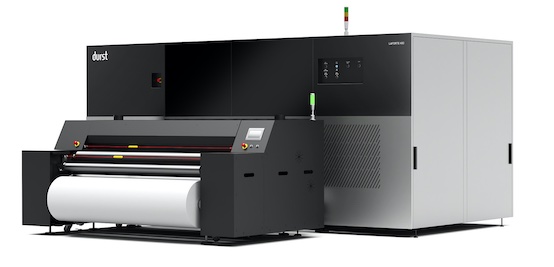
Two European Digital Press Association Awards have been awarded to Durst, manufacturer of advanced digital printing and production technologies. They were for its Rho 2500 in the Best Flatbed/Hybrid Printer > 250 sqm/h category and the other for Durst Workflow (Best Workflow Technology).

The awards are more recognition of Durst’s innovation as it continues its journey to become a complete solutions provider in line with its “Pixel to Output” strategy. Recent announcements have included the P5 350 High Speed printer, together with Durst “Automat”, and expansion of Workflow, Analytics, automation and ink solutions for printers. The award-winning Durst Workflow is also available for non-Durst printers.

The EDP Technical Committee referenced the increasing importance of software and workflow. It said: “Important is not only the device or software itself, but also the impact of the product on people and users.”

“These awards are another strong reference point and third-party endorsement to what we have achieved through our mission to innovate,” said Manfred Glantschnig, Head of Product Management for Durst Professional Services. “Durst Workflow is part of our world-class software. In an integrated world, we continue to help our customers through complete solutions from hardware, software, inks and collaborations.”


Andrea Riccardi, Durst Group’s Head of Product Management, Graphics Segment, said: “We are proud to have been recognized by the EDP with these awards. We been steadily building our offerings in line with end-to-end thinking for 360-degree business solutions aimed at the Smart Factory concept to streamline production and processes. The Durst Rho 2500 achieved this recognition as a high productivity printer that can be upgraded depending on the volume production capacity required.”
© 2020 Durst Group / EDP


More News from Durst Phototechnik AG

More News on Digital Printing

#Digital Printing

From a bedroom startup to 3,000 designs: How Lonely Kids Club built its business with DTG printing

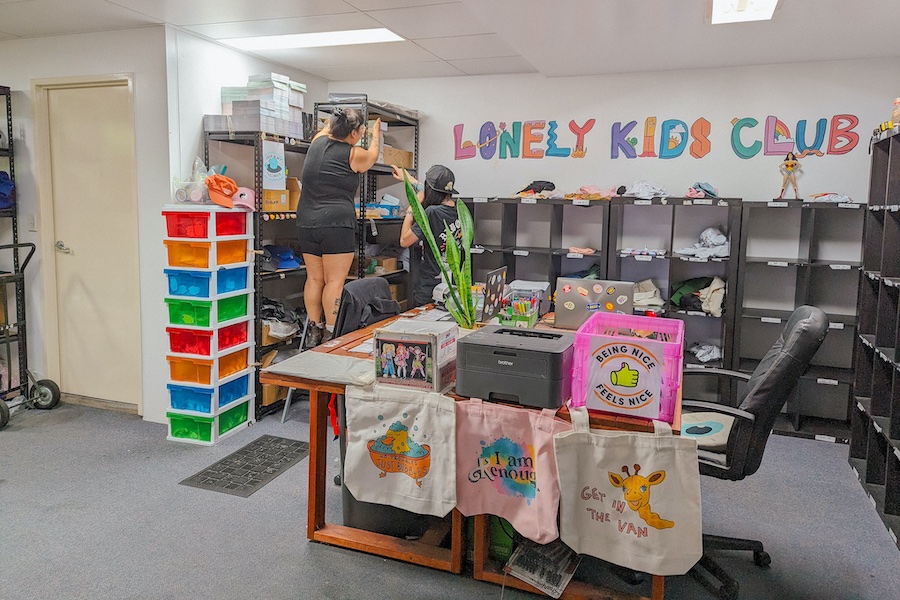
Founded in Sydney in 2011, independent clothing label Lonely Kids Club has grown from a bedroom startup into a business offering around 3,000 graphic T-shirt designs. With its own production studio, direct-to-garment printing and a demand-driven manufacturing model, the company demonstrates how smaller apparel brands can combine creative independence with flexible production – while navigating the everyday challenges of quality control, workflow efficiency and sustainability.

#Digital Printing

Mimaki highlights growing demand for hybrid UV printing across European markets

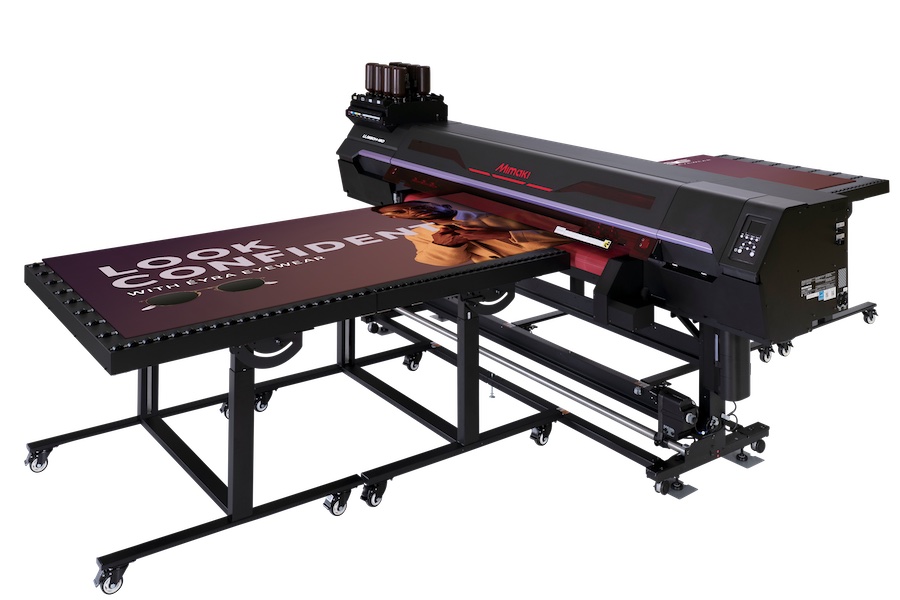
Insights from Mimaki's European partner network reveal how hybrid UV printing is responding to different regional market needs, driven by growing demand for flexible, application-oriented printing technologies.

#Digital Printing

VistaPrint increases apparel production capacity with Kornit Apollo

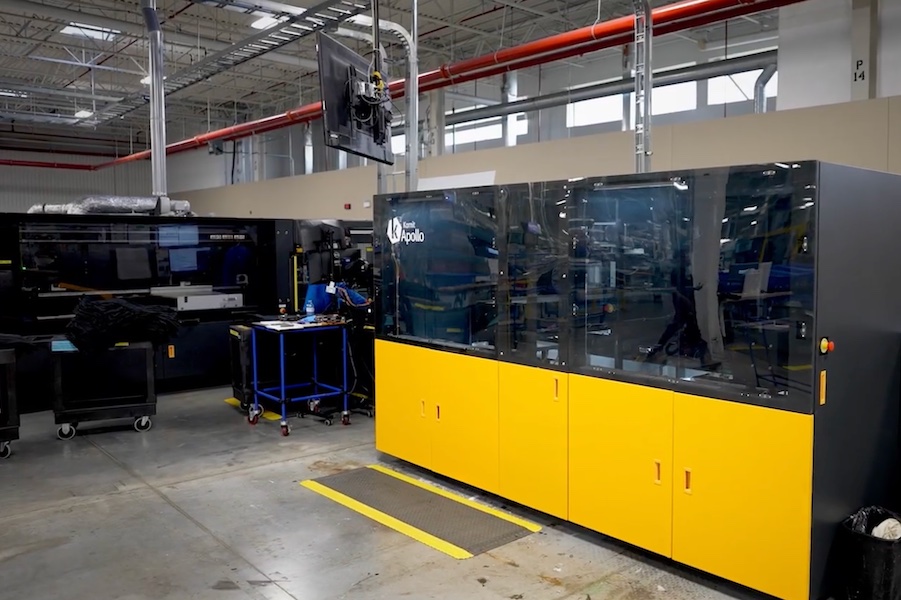
Kornit Digital (NASDAQ: KRNT), a provider of on-demand digital textile production technologies, reports that VistaPrint has significantly increased its apparel production capacity through the implementation of the Kornit Apollo system. The installation has enabled the international print and design company to add approximately 25,000 units of weekly production capacity while improving production speed, operational efficiency and order turnaround times.

#Digital Printing

Blue Tomato accelerates agile retail apparel production with Kornit Digital

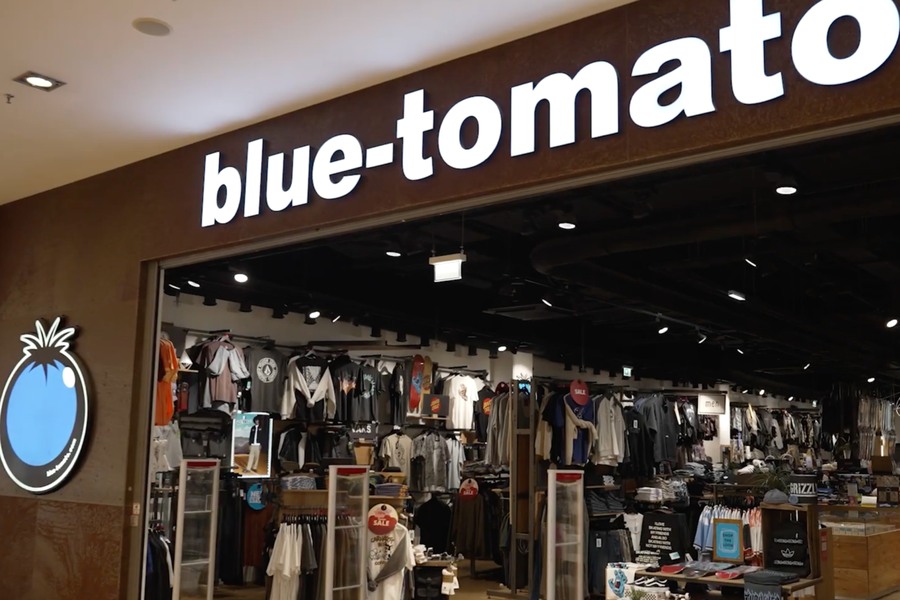
Kornit Digital (NASDAQ: KRNT), a global pioneer in on-demand digital fashion and textile production technologies, is highlighting how Blue Tomato, Europe’s largest board sports retailer, is using two Kornit Atlas MAX PLUS systems to support a more agile approach to in-house apparel production. The systems are helping Blue Tomato respond faster to changing consumer trends, produce high-quality apparel for its network of 86 retail stores across Europe and reduce inventory by printing only what the market demands.

Latest News

#Textile processing

Jeanologia combines digitalisation, laser and ozone technology to strengthen China’s textile competitiveness

At ITMA Asia + CITME 2026 in Shanghai, Jeanologia showcased how the combination of digitalisation, laser technology and G2 Ozone can help China’s textile industry improve productivity, speed, quality and efficiency. With its Compact Super Flash laser system and integrated production concepts, the Spanish technology specialist demonstrated how connecting product development and industrial production can enable faster, more automated and sustainable manufacturing processes.

#Textile chemistry

Flame protection and OEKO-TEX® certification: Gulec Chemicals clears an important hurdle

Three halogen-free flame retardants from German specialist Gulec Chemicals have been included in the OEKO-TEX® list of accepted Active Chemical Products (ACP). The listing opens up additional opportunities for textile finishers, coaters and manufacturers of technical textiles seeking to combine demanding fire protection requirements with certification according to OEKO-TEX® STANDARD 100.

#Dyeing, Drying, Finishing

PLEVA improves dyeing consistency with inline microwave measurement of liquor pick-up

Consistent shades are essential in continuous textile dyeing. Yet variations in fabric absorbency or uneven padder pressure can go unnoticed until the end of the line. By then, hundreds of metres of fabric may already be affected and may become second-choice or rejected.

#Recycling / Circular Economy

DITF establishes CYCLOTEXUM recycling center to advance mechanical and solvent-based textile recycling

As part of the CYCLOTEXUM research project, the German Institutes of Textile and Fiber Research Denkendorf (DITF) established the CYCLOTEXUM recycling center. There, in collaboration with industry partners, the center develops application-oriented solutions for mechanical and solvent-based recycling processes. The technologies developed make a significant contribution along the textile value chain toward the efficient use of textile resources in the future and the transition of production in the German textile sector to a circular economy. The project was funded by the Ministry for the Environment, Climate and Energy Sector of the State of Baden-Württemberg.

TOP