[pageLogInLogOut]

#Digital Printing

Moti Fabrics (Pvt) Ltd. moves to digital production with Mimaki Tiger-1800B MkII printers for faster, high-quality textile printing

The Tiger-1800B MkII, Mimaki’s flagship industrial volume textile printer © 2020 Mimaki
Mimaki Europe, a leading manufacturer of inkjet printers and cutting systems, announces today that Pakistani textile company, Moti Fabrics (Pvt) Ltd., is leveraging multiple Mimaki Tiger industrial textile printing units to take its business to the next level. As a result of on the outstanding performance and process optimisation delivered by the Mimaki digital printing equipment, the company has been able to adapt to changes in the textile industry and is now projected to reinforce its market position and expand its capabilities in high-quality textile production.

Headquartered in Faisalabad, Punjab province – the second largest textile hub in Pakistan –, Moti Fabrics (Pvt) Ltd. mainly serves the high fashion industry and uses its cutting-edge technology to print about 100,000 metres daily. Faced with recent challenges in the global textile market, management at Moti Fabrics (Pvt) Ltd. embarked on innovating the company’s business model, shifting from conventional to digital printing. In doing so, the company invested in Mimaki’s advanced industrial textile technology and installed three Mimaki Tiger-1800B MkII units. “We were – and still are – experiencing a massive transformation in the printing segment, with brands demanding high quality products delivered within short deadlines. This change in our customers’ requirements urged us to move to digital printing,” says Muhammad Asif, CEO at Moti Fabrics (Pvt) Ltd. “Our choice has already proved sound as our brand-new Tiger-1800B MkII printing systems have enabled us to cope with the high standards of the fashion industry in terms of both quality and delivery times. In addition, we have been able to gradually enhance our production processes in a cost-effective way.”

The Tiger-1800B MkII is Mimaki’s flagship industrial volume textile printer, available either in dye sublimation configuration for transfer printing or with reactive ink for direct-to-textile printing. Of the three Mimaki Tiger-1800B MkII solutions operating at Moti Fabrics (Pvt) Ltd., two are equipped with reactive inks, enabling the company to directly print onto natural fibres such as cotton and linen, as well as onto manufactured cellulose fibres, including rayon and nylon. The third Mimaki Tiger-1800B MkII features sublimation inks serves the ever-growing printed polyester market, allowing the company to strategically diversify its product portfolio. 

Example of a textile printed on one of the Tiger-1800B MkII printers operating at Moti Fabrics’ production facility in Faisalabad, Punjab province, Pakistan © 2020 Mimaki


“There are several features of the Tiger-1800B MkII that benefit our production and our business at large. The MAPS (Mimaki Advanced Pass System), just to name one, prevents banding and colour-shifting to deliver a higher standard of quality, while the NRS (Nozzle Recovery System) provides uninterrupted production, minimising downtime and ensuring superior results. The sticky belt system together with the large-size ink tanks (with a capacity of 10kg) and the high-performance software RIP TxLink3 are some of the other features that make these printers efficient, user-friendly and reliable,” says Asif.


Asif concludes, “Looking at the future, our aim is to set up a print department featuring only Mimaki’s technologies. We are already considering the next steps to make this possible, knowing that we can count on the support of Signtrade, Mimaki’s dealer in the region and our trustworthy partner.”

Muhammad Asif, CEO at Moti Fabrics, standing in front of one of the company’s two Tiger-1800B MkII direct-to-textile printers © 2020 Mimaki


Moti Fabrics (Pvt) Ltd. was founded in 1992 by Muhammad Asif’s father Haji Muhammad Yousaf and his partner Haji Rasheed Ahmad. Established as a dyeing company, Moti Fabrics (Pvt) Ltd. was able to gradually diversify the business over the years to become an advanced textile printing specialist. Today, the company is an established provider to the high fashion industry in Pakistan and on an international level.

“The story of Moti Fabrics is incredibly inspiring. Belonging to a region with such rooted textile printing heritage, the company has been able to embrace a new, challenging business model in order to stay at pace with the changing demand from the textile industry and has succeeded,” comments Ronald van den Broek, General Sales Manager at Mimaki Europe. “Customers like Moti Fabrics make us proud as they demonstrate how our advanced Mimaki Tiger industrial textile series can be the enabling technology for those textile companies planning the shift from conventional to digital printing.”
More News from Mimaki Europe B.V.

#Digital Printing

Mimaki highlights growing demand for hybrid UV printing across European markets

Insights from Mimaki's European partner network reveal how hybrid UV printing is responding to different regional market needs, driven by growing demand for flexible, application-oriented printing technologies.

#Digital Printing

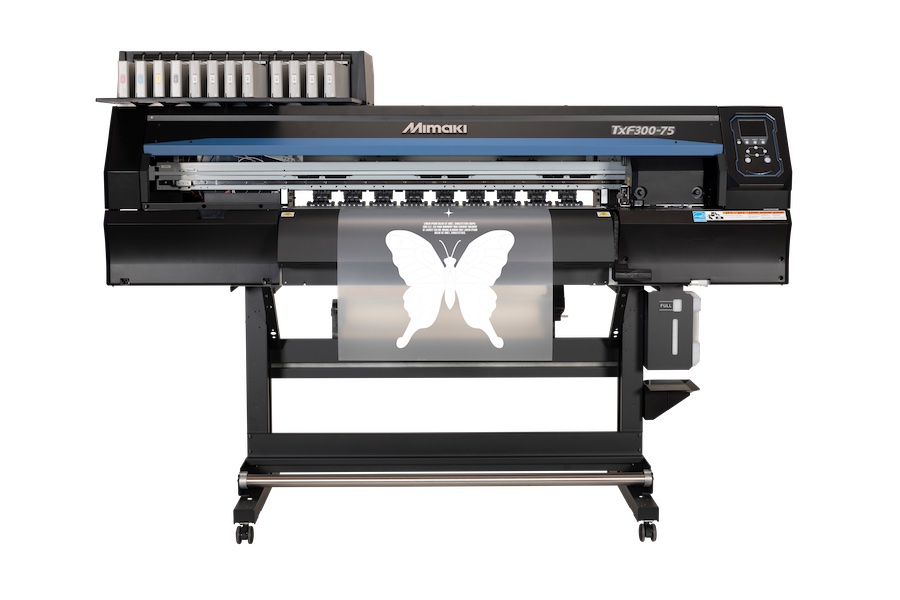
Mimaki advances DTF productivity and stability with new TxF330-800

Mimaki Europe, a leading manufacturer of industrial inkjet printers and cutting plotters, announces the TxF330-800, its new direct-to-film (DTF) printer. Designed to support stable, high-quality garment decoration in demanding print environments, the system combines automated maintenance, expanded white ink capacity and advanced production capabilities to streamline workflow.

#Digital Printing

Where every detail counts: Experiential applications of DTF and UV-DTF printing

Personalisation has moved far beyond the traditional logo on a t-shirt. Today, brands want to create complete experiences, where every detail – from clothing and accessories to décor and packaging – feels distinctive and reflective of their identity.

#Digital Printing

DTF vs DTG Printing - The technologies shaping today’s custom merchandise market

From sportswear to branded tote bags, custom merchandise continues to grow in popularity across sectors, driving print shops to cater to short runs, personalisation, and rapid turnaround. As print providers look to this market, two printing technologies often stand out: Direct‑to‑Film (DTF) and Direct‑to‑Garment (DTG). Each offers its own benefits, and understanding these differences helps determine the most suitable production method for print service providers.

More News on Digital Printing

#Digital Printing

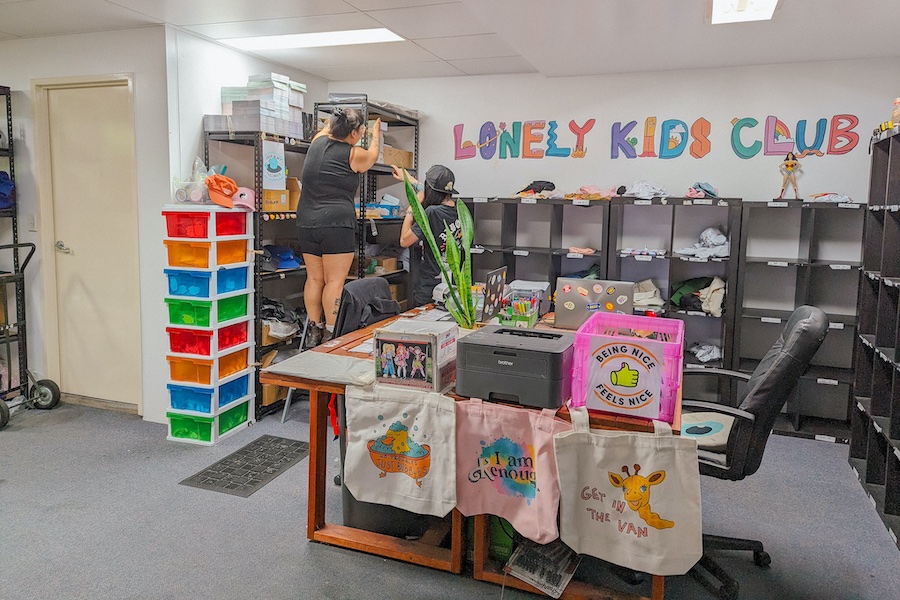
From a bedroom startup to 3,000 designs: How Lonely Kids Club built its business with DTG printing

Founded in Sydney in 2011, independent clothing label Lonely Kids Club has grown from a bedroom startup into a business offering around 3,000 graphic T-shirt designs. With its own production studio, direct-to-garment printing and a demand-driven manufacturing model, the company demonstrates how smaller apparel brands can combine creative independence with flexible production – while navigating the everyday challenges of quality control, workflow efficiency and sustainability.

#Digital Printing

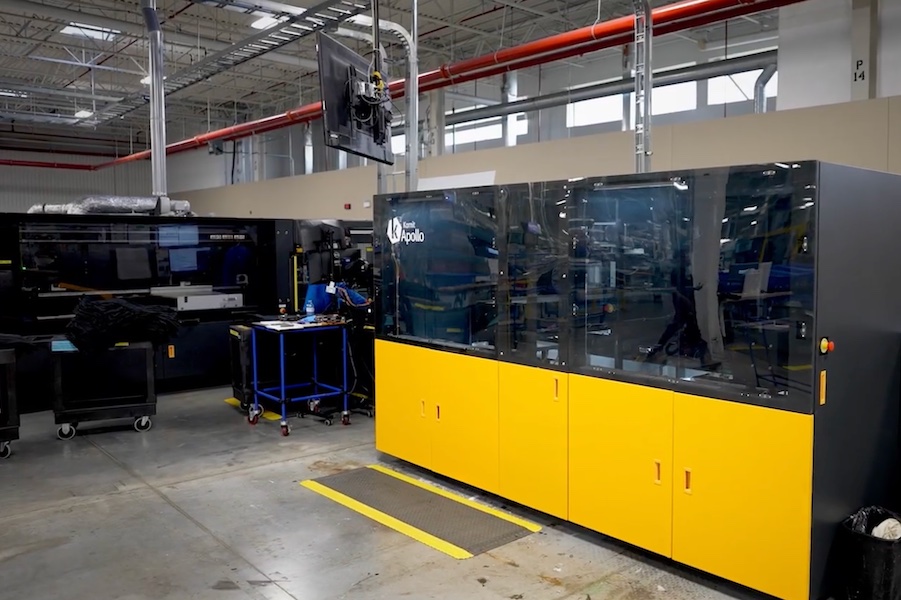
VistaPrint increases apparel production capacity with Kornit Apollo

Kornit Digital (NASDAQ: KRNT), a provider of on-demand digital textile production technologies, reports that VistaPrint has significantly increased its apparel production capacity through the implementation of the Kornit Apollo system. The installation has enabled the international print and design company to add approximately 25,000 units of weekly production capacity while improving production speed, operational efficiency and order turnaround times.

#Digital Printing

Blue Tomato accelerates agile retail apparel production with Kornit Digital

Kornit Digital (NASDAQ: KRNT), a global pioneer in on-demand digital fashion and textile production technologies, is highlighting how Blue Tomato, Europe’s largest board sports retailer, is using two Kornit Atlas MAX PLUS systems to support a more agile approach to in-house apparel production. The systems are helping Blue Tomato respond faster to changing consumer trends, produce high-quality apparel for its network of 86 retail stores across Europe and reduce inventory by printing only what the market demands.

#Digital Printing

Growth at the speed of demand: Kornit Digital brings digital textile innovation to PERFORMANCE DAYS 2026

Kornit Digital Ltd. (NASDAQ: KRNT) (“Kornit”), a global pioneer in on-demand digital fashion and textile production, will showcase the possibilities of digital, on-demand production at PERFORMANCE DAYS 2026, October 13–14 at Messe München, Hall 6, Booth E08.

Latest News

#ITMA Asia + CITME 2026

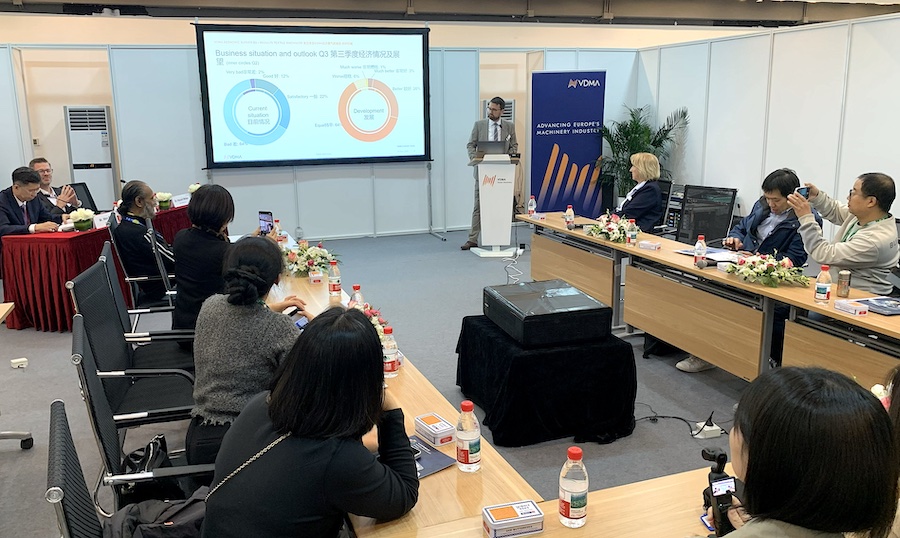
VDMA: German textile machinery manufacturers see signs of recovery as China remains a key market

Strong German participation at ITMA ASIA + CITME 2026 underscores China's importance for the textile machinery industry, while business surveys point to improving prospects for 2027.

#ITMA Asia + CITME 2026

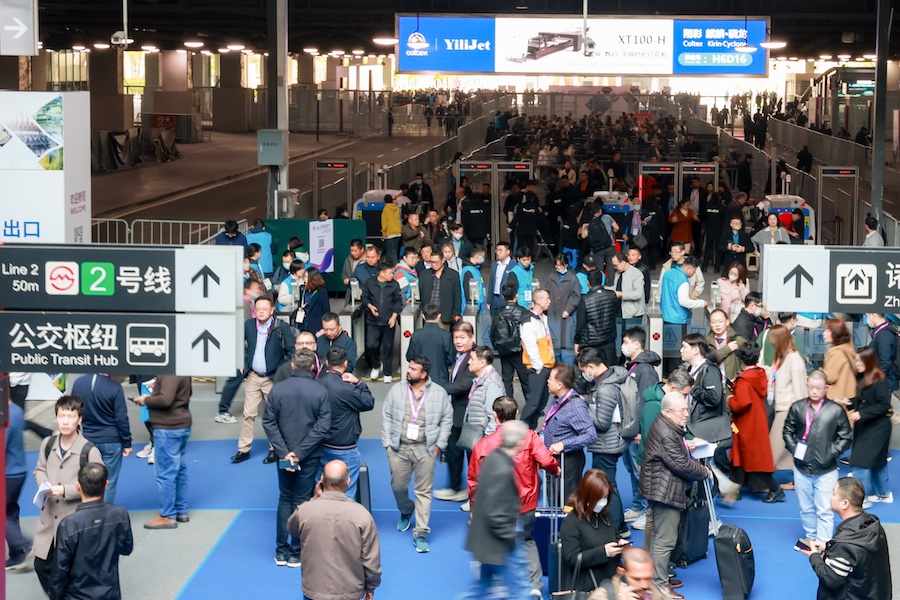
ITMA ASIA + CITME 2026 opens in Shanghai, showcasing intelligent and sustainable textile manufacturing

ITMA ASIA + CITME 2026 opened today at the National Exhibition and Convention Center in Shanghai, bringing the global textile machinery industry together from 20 to 24 November.

#Associations

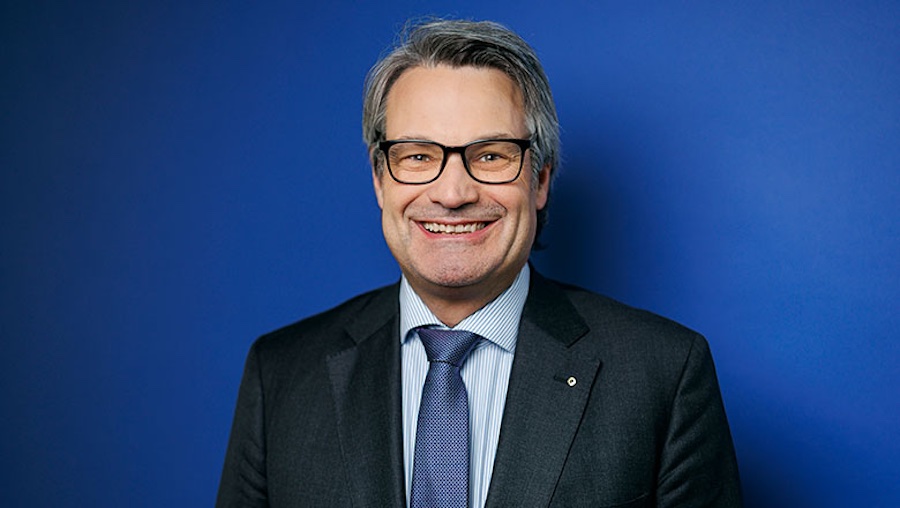
Christoph René Holler to succeed Uwe Mazura as managing director of textil+mode

Christoph René Holler will take over as managing director of textil+mode, the German textile and fashion industry confederation, on 1 January 2027. He succeeds Uwe Mazura, who has led the association for 13 years and will remain in charge of collective bargaining policy through the next round of negotiations before retiring.

#Heimtextil 2027

Heimtextil and The Florentin showcase the role of textiles in hotel design

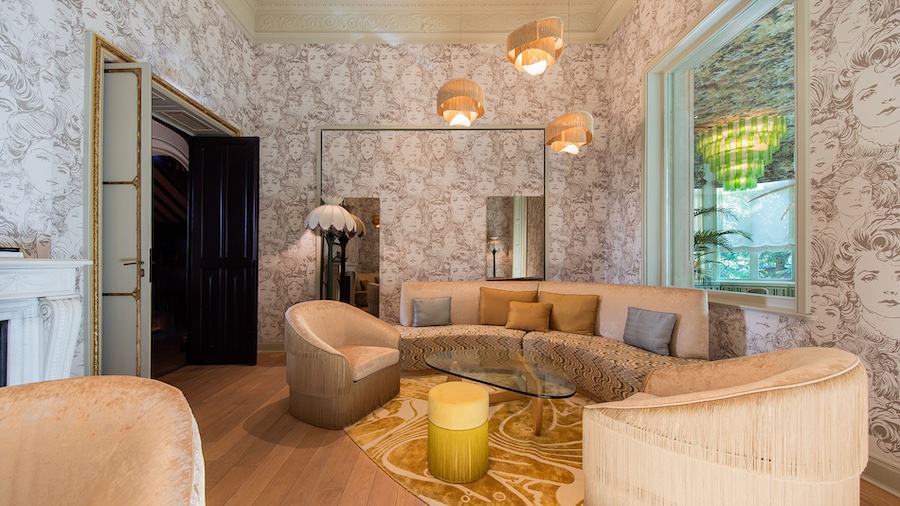
Heimtextil has partnered with Frankfurt hotel The Florentin by Althoff Collection for its new Interior.Architecture.Hospitality campaign. The collaboration will give architects, interior designers and other contract-sector professionals a closer look at how textiles were used in the hotel. The two studios behind the project will discuss their work at Heimtextil on 14 January 2027 in Hall 4.1.

TOP