[pageLogInLogOut]

#Textile chemistry

BASF commissions new plant for oxidized polyethylene waxes at Ludwigshafen site

A new plant for the manufacture of oxidized polyethylene waxes went into operation at the BASF site in Ludwigshafen, Germany. The plant manufactures high quality oxidized waxes according to BASF’s own process. The new plant will improve the availability on oxidized polyethylene waxes now and in the future, for instance in plastics processing.

+Improved availability of oxidized polyethylene waxes +Integrated plant forms part of a sustainable production concept within the Verbund site that conserves resources

The new plant fits perfectly into the integrated supply network for raw materials and energy at BASF’s Ludwigshafen site. The low-density polyethylene wax that forms the basis of the oxidized waxes comes directly from the site’s own polymerization plants. “As well as extending the capacity, we have also invested in modernizing the existing plant for polyethylene waxes”, said Dr. Stefan Beckmann, Senior Vice President Home Care & Formulation Technologies Europe. “Demand for high-quality waxes and oxidized waxes is growing world-wide due to the increased production and processing of plastics”, said Dr. Beckmann. “We will be able to satisfy this increasing demand when the new oxidation plant for waxes in Ludwigshafen goes into operation.”

BASF supplies its high-quality waxes world-wide to markets with specialized demands. Waxes in the form of powder, fine powder, granules and pastilles are marketed under the Luwax® brand, and liquid emulsions are available under the Poligen® trademark.

Versatile range of applications

Oxidized polyethylene waxes are used as lubricants in the processing of plastics such as polyvinylchloride to prevent the plastic from sticking to the hot surfaces in the machinery, which saves energy and enhances the material properties of products such as PVC pipes and profiles.

Oxidized polyethylene waxes can also be emulsified in water. Wax emulsions are applied as finishes to textiles in order to obtain a smoother surface in order to make them easier to sew and to make them more resistant to linting and pilling. Polyethylene waxes are used in polishes applied to shoes, furniture, floors and car bodywork and wax emulsions to protect the surface, to provide gloss or to enhance safety by increasing the slip resistance. Addition of wax emulsions to the coating of glossy magazines protects the surface against ink rub-off. A thin layer of wax can also be applied to the skin of citrus fruit to prevent it from drying out and becoming bruised.

More News from BASF Aktiengesellschaft
Performance Chemicals for Textiles

More News on Textile chemistry

Latest News

#Associations

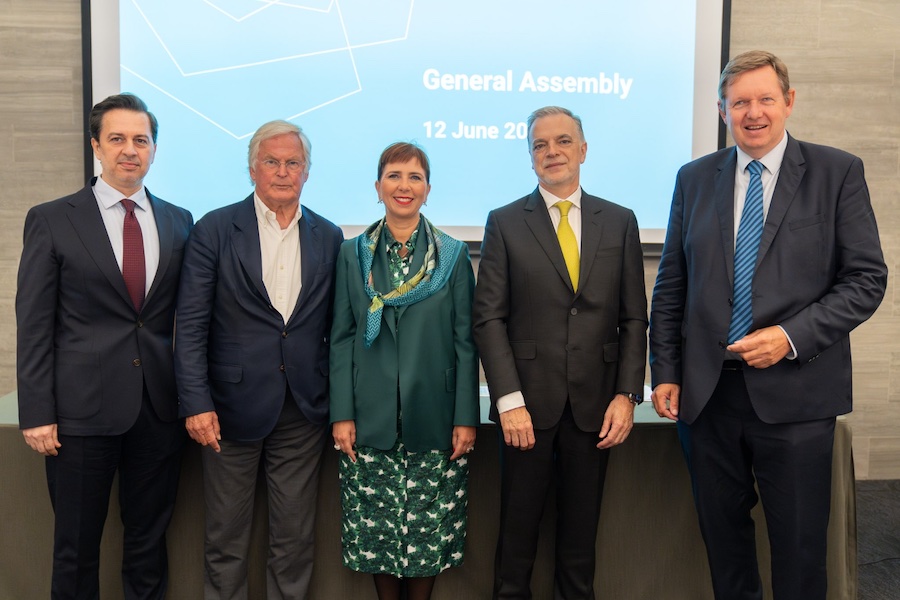
Mario Jorge Machado re-elected President of EURATEX

The EURATEX General Assembly has re-elected Mario Jorge Machado as President of EURATEX, renewing its confidence in his leadership at a crucial moment for the European textile and clothing industry. The sector is facing rising costs, global competitive pressure and an increasingly challenging transition towards sustainability and digitalisation.

#ITM 2026

ITM 2026 makes happy participants with its international and qualified visitor profile

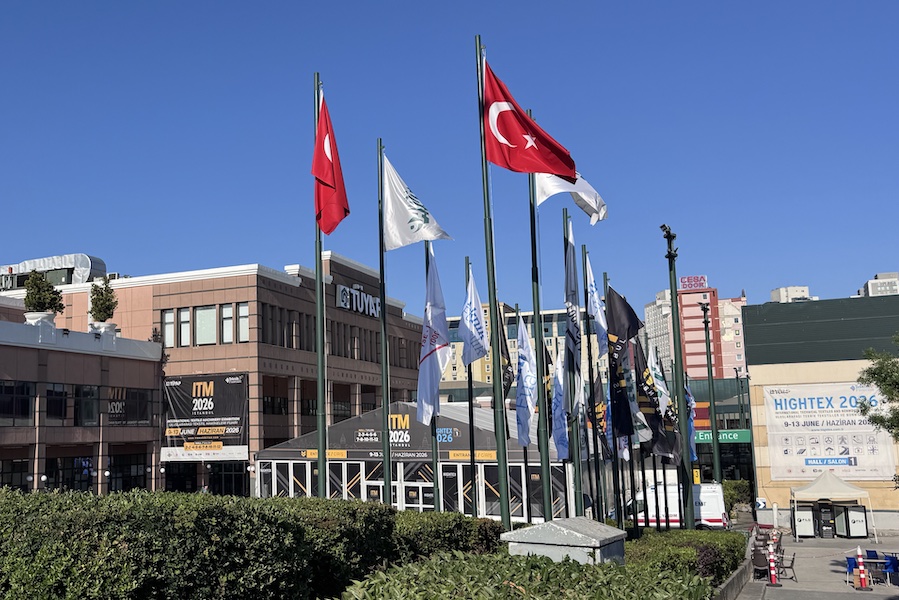
ITM 2026 International Textile Machinery Exhibition, one of the most prestigious meeting points of the textile machinery sector, attracted attention in its first three days, particularly with its diverse international visitor numbers. Industry professionals from all over the world had the opportunity to closely examine the latest technology machines and solutions displayed in operation. Thousands of visitors from approximately 100 countries, primarily Egypt, Pakistan, India, Uzbekistan, Syria, Turkmenistan, Tajikistan, Morocco, Algeria, and Tunisia, met at the Tüyap Fair and Congress Center for new investment and cooperation opportunities.

#ITM 2026

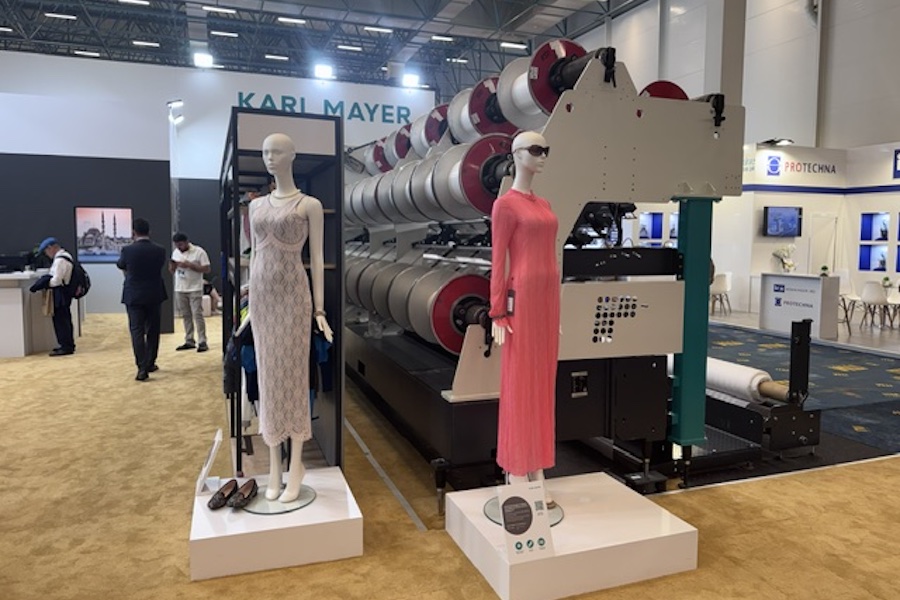
KARL MAYER presents a textile TEXTRONIC® innovation at ITM 2026

With highly efficient machines and continuous textile innovations, KARL MAYER underscores its role as a reliable partner for discerning top-tier customers. Just in time for ITM 2026 in Istanbul, the industry leader is introducing a true innovation: an eyelash lace with its characteristic fringed look – combined with a previously unattainable 4-way stretch. While the established fabric could until now only be produced as rigid version or with one-dimensional stretch, the new elasticity in both dimensions expands the possibilities for cross-band panel fabrics.

#Raw Materials

Better Cotton Initiative welcomes new and returning Council members

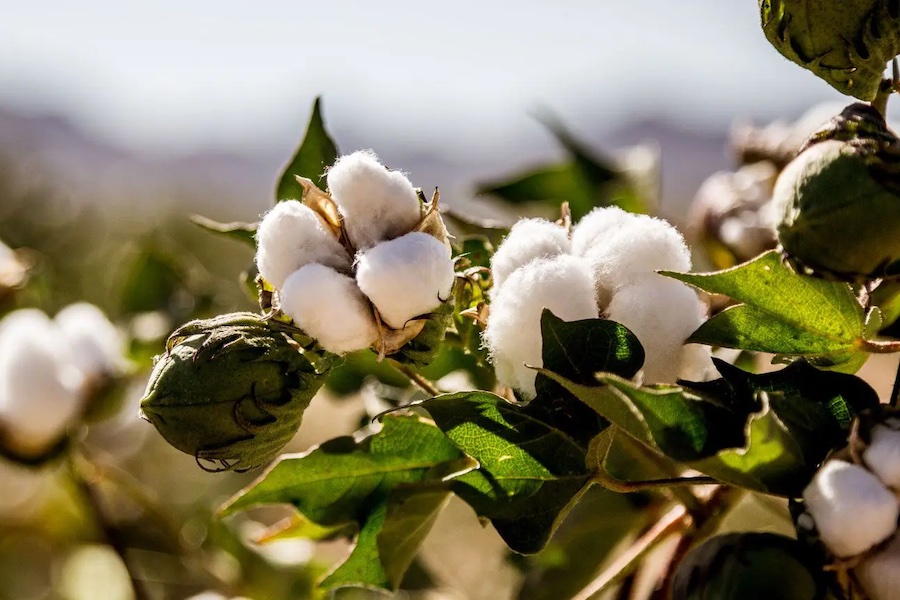
The Better Cotton Initiative (BCI) has confirmed a series of appointments and reappointments to its Council, the multistakeholder board responsible for BCI’s strategic direction.

TOP