[pageLogInLogOut]

#Yarn & Fiber

Südwolle presents Spring/Summer 2025 collection

The Südwolle collection of yarns for weaving and circular knitting continues its evolutionary path based on the key concept of 'Responsibility'. This principle guides Südwolle Group's commitment and engagement regarding all areas of business and stakeholders - the environment, the textile industry production chain, consumers, employees and the social repercussions of its business.

The responsible creation of new products is based on 6 integrated and consistent areas of innovation:

• Design: unique colours, the selection of special raw materials and the structure of the yarns endow the fabrics with special effects ?

• Performance: yarn performance is constantly improved during the production process which adds special properties and functionality to the finished apparel ?

• Technology: cutting-edge technology is used, and constantly improved innovative spinning processes and services for the customers’ benefit ?

• Traceability: products have a controlled, traceable production cycle which makes the supply chain more transparent ?

• Circularity: products and services are in compliance with recycling processes and production chain circularity ?

• Sustainability: the entire design and production process is aimed at reducing the negative impact on the environment by developing environmentally friendly products, technologies and processes ?The intersection between these 6 areas has resulted in a collection in which the concept of seasonality is blurred, and products have a flexible, versatile use. The use of cutting-edge technology means yarns offer a high level of quality, suitable for apparel with outstanding durability, a factor that helps to reduce the environmental impact of textile waste and disposable fashion. ?


Overview of the collection

The collection is divided into 4 themes.

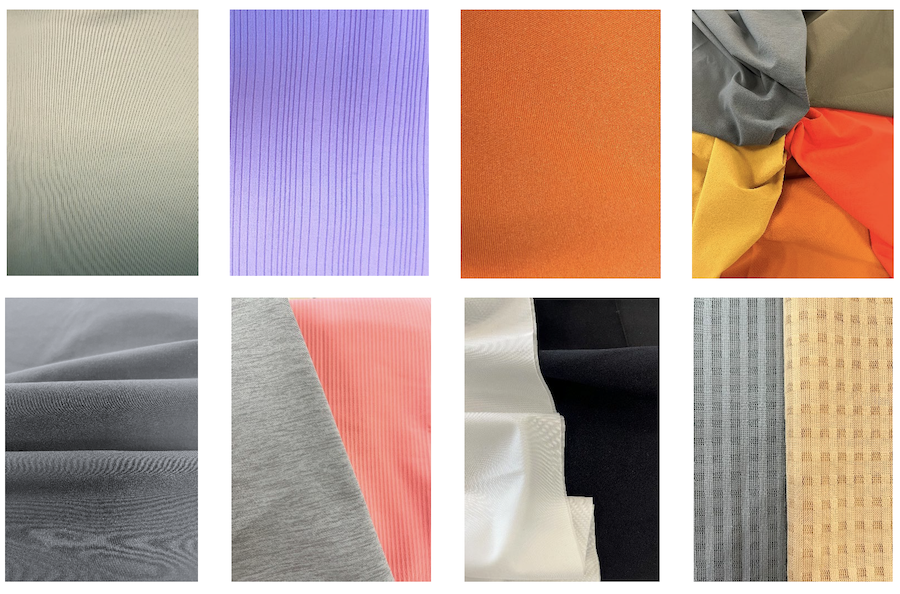
Natural, biodegradable or recycled fibre blends intended for crepe and crinkled fabrics are characterized by substantial twist and a high level of performance. The selection of fibres is oriented towards sustainability, with wool and silk organze combined with LENZINGTM ECOVEROTM viscose and Q-NOVA® regenerated polyamide.

Fuji crepe X-compact Nm 40/1 Z 1050 (40% wool 21.2 ?, 60% FSC certified LENZINGTM viscose EV), new this season, features a smooth look and no pilling thanks to the use of X-compact spinning technology, which produces yarns with excellent performance and durability.


When it comes to light, natural blends, wool and linen or wool, linen and silk blends follow the trend for softly fluid structures, such as the new Peschici Nm 42/1 Z 600 (53% wool 18.4 ?, 23% linen, 24% silk), with a fresh, dry handle and very current dappled effect, which results from the skilful combination of different fibres.

Contributing to a more sustainable and traceable textile production also involves attention to all fibres used. Mohair used for luxury yarns in noble fibres is strictly RMS (Responsible Mohair Standard) certified, which traces its origin, guaranteeing animal welfare and production according to responsible standards, similar to the analogous RWS (Responsible Wool Standard) used for wool. Bosforo RWS RMS Nm 32/1 Z 950 (20% wool 20.8 ? RWS, 60% FSC certified LENZINGTM viscose EV, 20% RMS Kid Mohair) is a fresh, bright yarn that is soft on the skin, suitable for trans-seasonal products, an example of careful selection of raw materials.

Among the fancy yarns, delicately animated structures predominate for naturally elegant creations, represented by Niche Nm 34/2 S 460 (42% wool 21.2 ?, 58% bourette silk), a twisted yarn in wool and bourette silk, which adds dynamism with its characteristic rough, knotty surface.

More infos about the digital Südwolle weaving collection.

https://www.suedwollegroup.com/wp-content/uploads/2023/09/Suedwolle-Group_Suedwolle_brochure_Innovation__Focus_SS2025_20230913.pdf?utm_source=S%C3%BCdwolle+SS25&utm_medium=Press+release
More News from TEXDATA International

#ITM 2026

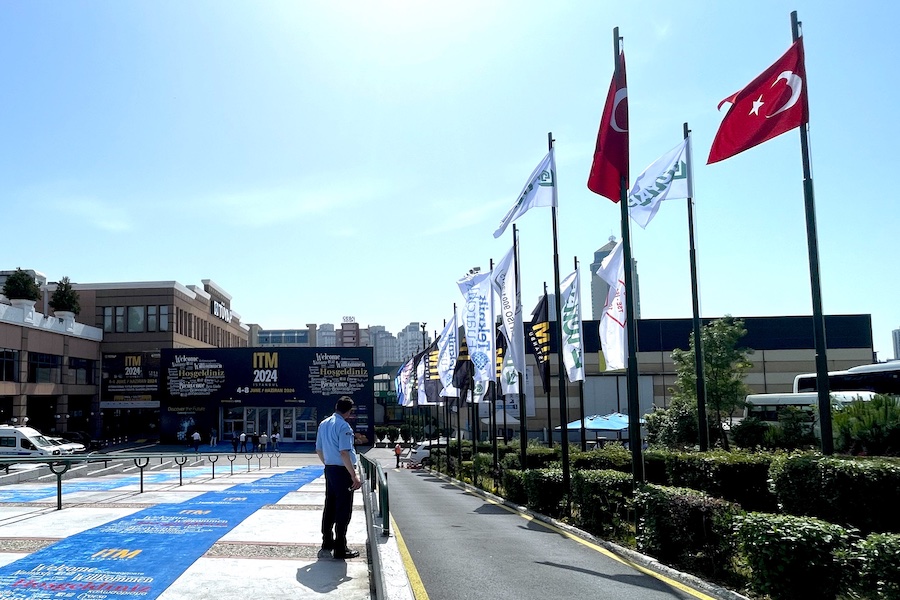
ITM 2026: The new geography of textile production

New production hubs are emerging across North Africa and Central Asia, while Türkiye is accelerating its transformation toward higher-value, technology-driven and more sustainable textile manufacturing.

#Research & Development

“Production is a product”

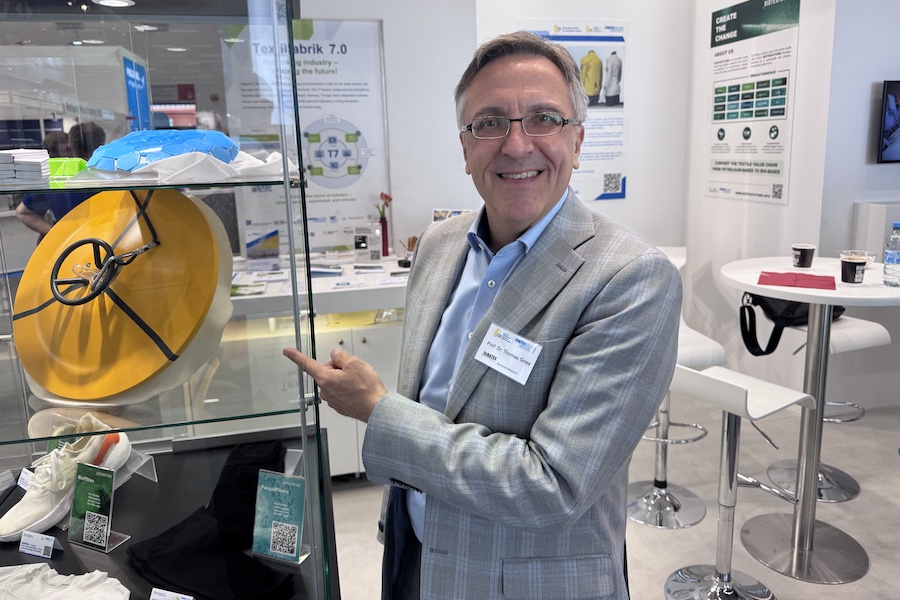
From technical textiles and AI-driven robotics to the limitations of textile circularity: Professor Dr Thomas Gries looks back on more than two decades of development at ITA Aachen. In the interview, he explains why production technology remains a decisive success factor, discusses international collaborations and innovation ecosystems, and shares his views on the transformation of production landscapes and the challenges facing an increasingly regulated industry.

#Knitting & Hosiery

“We need to move away from the price trap and return to a value-driven mindset.”

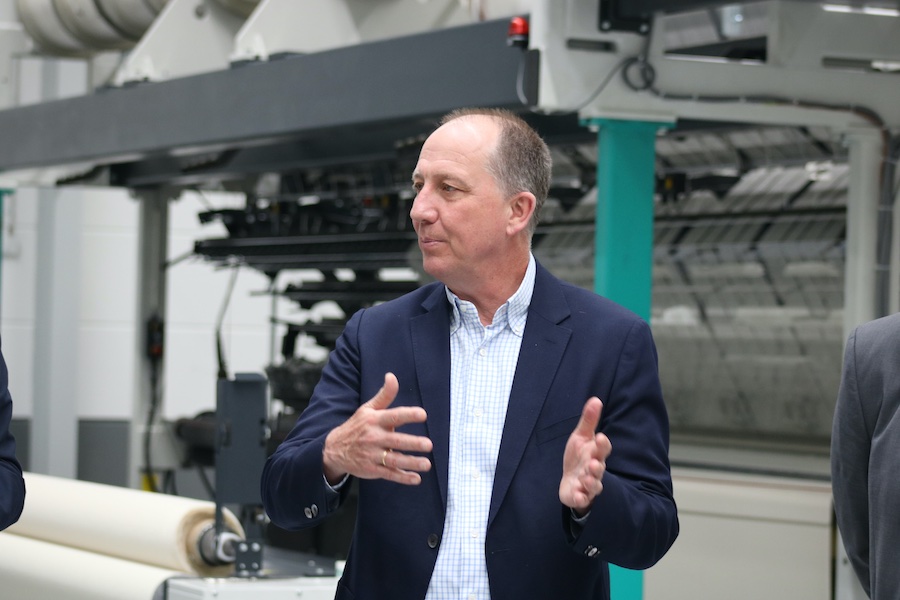
With its new Textile Innovation Center, KARL MAYER is sending a strong signal for innovation, collaboration, and the future of textile applications. In this interview, Karl Josef Mayer discusses new opportunities in warp knitting, the processing of staple fibres, recycling, the changing role of machinery manufacturers, and why the textile industry must once again focus more strongly on the value of textiles. by Oliver Schmidt

#Associations

“Innovation, resilience and international experience remain the great strengths of the Swiss textile machinery industry”

Geopolitical uncertainty, growing competitive pressure from China, new free trade agreements and the shift towards a circular economy are currently reshaping the global textile industry. In this interview, Cornelia Buchwalder discusses the current mood within the Swiss textile machinery sector, the industry’s distinctive innovative strength, new market opportunities in India and Asia, and the technological trends that could shape the upcoming trade fair cycle leading up to ITMA 2027.

More News on Yarn & Fiber

#Yarns

Yarn Expo Shenzhen 2026 closes doors, advancing sustainable and innovative sourcing in South China

Yarn Expo Shenzhen 2026 served as a strategically positioned mid-year sourcing platform for the Greater Bay Area, highlighting Shenzhen’s role in connecting regional demand, supply and innovation exchange across the textile value chain. During the three-day fair, over 20,000 visits were drawn from 74 countries and regions[1], as exhibitors and buyers engaged with new developments in greener, performance-led, and value-added yarn and fibre solutions. Held in conjunction with Intertextile Shenzhen Apparel Fabrics and PH Value, the fair underscored the benefits of closer synergy and new materials across yarn, fabric and apparel platforms for the South China market.

#Yarns

Yarns and technologies in symbiosis: Biella Yarn presents Fall/Winter 2027/2028 collection “New Romance_”

Biella Yarn, the flat knitting brand of Suedwolle Group, launches new Fall/Winter 2027/2028 collection, inspired by the symbiosis of yarns and technologies – elements that blend, adapt and evolve together, forming something new without losing their origin. The name “Neu Romance_” reflects the emotional and neurological dimension of the yarns: a connection that engages the senses, experienced through material, touch and interaction. The collection is further brought to life through design collaborations, featuring selected yarns used in different design approaches.

#Recycling / Circular Economy

The textile industry in transition

Recycling, traceability, eco-design and digitalisation are among the key future challenges facing the European textile industry. The Erasmus+ project Skills4Circularity, involving 21 partners from twelve countries, is investigating the skills required to address these challenges. As the German industry partner, the Industry Association for Finishing – Yarns – Fabrics – Technical Textiles (IVGT) is bringing the industry’s perspective to the project.

#Research & Development

GenuTrace client advisory: Is your cotton supply chain UFLPA ready?

U.S. Customs and Border Protection has released updated operational guidance (CBP Publication No. 5560-0526) expanding its forced labor enforcement framework. The guidance supersedes the original 2022 UFLPA Operational Guidance and now covers all forced labor enforcement authorities — UFLPA, CAATSA, and WROs/Findings — in a single unified document. For cotton importers, the enforcement posture has not softened. It has become more structured, more documented, and more demanding. Learn more about UFLPA.

Latest News

#Nonwovens

EDANA announces five new board members following 2026 Annual General Meeting

The EDANA Board of Governors is elected or re-elected at the Annual General Meeting by the member companies. The Governors are senior executives (business leaders) from member companies, based in different countries and representing different sectors of the nonwovens industry. The Board has central responsibility for guiding EDANA's overall strategy and approving its policies and priorities. It meets three times a year.

#Nonwoven machines

DiloGroup - Complete nonwoven needling line for hygiene materials in the United States

DiloGroup has received an order for a complete needling line designed for the production of hygiene materials in the United States. This project further strengthens our position in the American hygiene sector and reflects the continued demand for reliable, high-performance nonwoven equipment.

#Natural Fibers

Cotton made in Africa partners receive top marks in independent verifications

Cotton made in Africa® (CmiA) and CmiA Organic are two internationally recognised standards that aim to promote sustainable development in the African cotton sector south of the Sahara. To ensure the standards’ credibility among brands, retailers, and consumers, independent verifiers evaluate compliance on the ground. The verification results for 2025, now published in the Aggregated Verification & Implementation Report, were very strong: The verifiers awarded consistently very good remarks regarding management, people, prosperity, and the environment.

#Associations

Bangladesh: Italian textile machinery mission stops in Dhaka and Chittagong

Technological upgrading and the transition toward higher value-added production are driving the new Italian industrial mission to Bangladesh. This year, the mission will split between the country’s two main manufacturing hubs, where Italian manufacturers will meet the leaders of the local textile supply chain in two strategic stages: July 7th in Dhaka and July 9th in Chittagong.

TOP