[pageLogInLogOut]

#Textiles & Apparel / Garment

Filo 63 highlights sustainability and innovation with C.L.A.S.S.

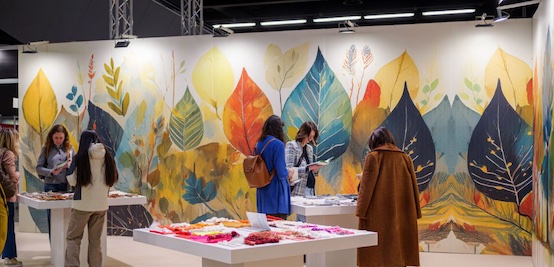
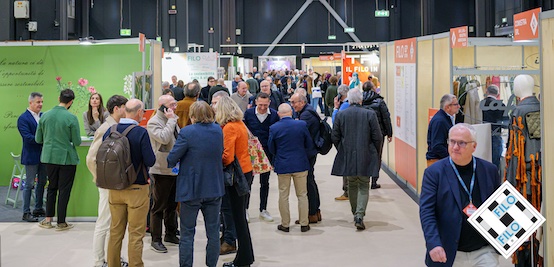
At the 63rd edition of Filo, the initiative “Sustainability from A to Z”, developed in collaboration with C.L.A.S.S., focuses on responsible innovation and expanding knowledge through technical insights, case studies, and direct industry testimonials. This initiative aims to guide companies through the complexities of sustainability while aligning with the evolving market landscape. The proposals presented by C.L.A.S.S. as part of this initiative closely relate to discussions within “Dialoghi di Confronto”, offering further opportunities for industry insights.

The C.L.A.S.S. exhibition space at Filo 63 showcases projects and solutions implemented by selected organizations and companies. This season, the focus is on “green chemistry” and the role of advanced natural fibers, particularly cotton and linen, where companies have adopted comprehensive innovation strategies, making traceability an essential requirement.

In the cotton segment, Supima®, a premium cotton grown in the United States and accounting for less than 1% of global cotton production, is featured. Renowned for its extra-long staple, Supima® offers exceptional strength, softness, and long-lasting color retention. To ensure authenticity and traceability, Supima® has introduced the AQRe™ Project (Authenticated Quality and Responsible Engagement), a blockchain-based digital platform developed in collaboration with TextileGenesis™, allowing real-time supply chain monitoring. Additionally, Oritain™ forensic testing verifies the cotton’s origin at every production stage, ensuring that all SUPIMA®-branded products meet the industry's increasing demands for transparency and sustainability.

For linen, the Alliance for European Flax-Linen & Hemp, representing the European agro-industrial supply chain, plays a crucial role. In 2025, the organization accelerates its sustainable transformation with key initiatives, including:

+ + + Evolution of Flax-Linen certifications

+ + + Launch of a digital Flax-Linen traceability platform (developed with TextileGenesis - Lectra, set to debut in May 2025)

+ + + Publication of environmental footprint datasets and development of B2B calculation tools

+ + + Scientific validation of Flax-Linen's functional properties

+ + + New sourcing platform for innovative materials and textile solutions

A notable Italian innovation in green chemistry is also highlighted at C.L.A.S.S., featuring REVECOL® by ERCA Textile Chemical Solutions. This 100% Made in Italy breakthrough transforms waste materials, such as used vegetable cooking oil, into high-performance textile auxiliaries, reducing CO? emissions by up to 72% compared to traditional chemical processes. With certifications including GRS, RCS, ZDHC, bluesign®, and GOTS, REVECOL® is setting new industry standards in sustainability, circularity, and performance.

Throughout Filo 63, the C.L.A.S.S. team is available to discuss these innovations with professionals interested in sustainability, traceability, and technological advancements in textiles.

Additionally, two key discussions within Dialoghi di Confronto further explore these themes:

+ + +  On February 26 at 3:30 PM, Giusy Bettoni, CEO & Founder of C.L.A.S.S., interviews Roberto Ghioldi, Sales Director of ERCA TCS, about REVECOL®'s role in sustainable textile chemistry.

+ + +  At 4:00 PM, a panel discussion on advanced natural fibers highlights traceability and innovation opportunities, featuring industry experts and TextileGenesis™ representatives.

Paolo Monfermoso, General Manager of Filo, emphasizes that this collaboration with C.L.A.S.S. has reached a new qualitative level, particularly in its focus on natural fibers. He highlights the high level of research and innovation demonstrated by producers of wool, linen, cotton, and silk and reaffirms Filo’s commitment to offering tangible solutions to real industry challenges.

Giusy Bettoni, CEO & Founder of C.L.A.S.S., states that this edition further strengthens Filo and C.L.A.S.S.'s shared vision of promoting responsible innovation. She underscores the importance of linking projects within the C.L.A.S.S. space with discussions in Dialoghi di Confronto, ensuring that sustainability remains at the forefront of the textile industry. This edition particularly focuses on “green chemistry” and natural fibers, reinforcing their timeless value and their promising future in sustainable fashion.


More News from Filo

More News on Textiles & Apparel / Garment

#Sustainability

Ying McGuire becomes new CEO of Cascale

Cascale today announced the appointment of Ying McGuire as Chief Executive Officer, effective June 1, 2026.

#Europe

Antwerp Declaration community urges EU leaders to deliver emergency measures as Europe’s competitiveness crisis deepens

EURATEX, representing the European textile and fashion industry, joins the Antwerp Declaration Community’s call on EU Heads of State and Government to adopt emergency measures that restore industrial competitiveness and deliver tangible results for Europe’s manufacturing base in 2026.

#Textiles & Apparel / Garment

Pets in fashion: functional and sustainable textiles find new market at Intertextile Apparel

China’s pet economy is booming, especially amongst younger generations, and pet apparel – from designer outfits to functional garments – was a RMB 3.5 billion (over USD 500 million) market in 2024, growing more than 20% annually¹. To help exhibitors harness this trend, Intertextile Shanghai Apparel Fabrics – Spring Edition 2026 will launch the Pet Boutique, presenting a range of innovative, sustainable materials that prioritise both functionality and comfort for pets.

#Sustainability

VAUDE eliminates PFAS from all products

PFAS (per- and polyfluoroalkyl substances) are now detectable worldwide – in drinking water, soil and the human body. These so-called “forever chemicals” are considered hazardous to health and potentially carcinogenic, as they do not break down and remain in the environment permanently. Despite these risks, PFAS are still used in a wide range of products. More than 15 years ago, VAUDE made a strategic decision to gradually eliminate PFAS from all product categories.

Latest News

#Technical Textiles

Sustainable, lightweight, and sound absorbing: Polyester-based front trunk solution for BEVs

As car manufacturers look to further reduce their carbon footprint, Autoneum has developed an innovative front trunk solution for battery electric vehicles (BEVs), made entirely from polyester-based textile. The Ultra-Silent Frunk offers significant weight reduction, improved acoustic and thermal insulation, and uses up to 70 percent recycled material, supporting sustainable and efficient vehicle design. Autoneum, global technology leader in acoustic and thermal management for vehicles, has already received orders for the new frunk from three major OEMs in Asia and Europe to be built in three BEV models. Series production for two BEVs has been underway in China and Germany since last year.

#Raw Materials

Modern testing methods for raw cotton

The 38th International Cotton Conference Bremen will take place from 25 to 27 March 2026 at the Bremen Parliament. This conference has traditionally stood for in-depth expertise and international exchange. The program will focus on technical innovations, market trends, and regulatory frameworks across the entire value chain – from agriculture to the circular economy. With high-profile speakers, the conference is regarded as the key meeting point for the global cotton industry. Today’s focus: Cotton quality and testing methods.

#Spinning

Rieter responds to higher raw material prices

Global political and economic developments have been leading to rising raw material and energy costs for some time. The textile machinery industry is also affected by this trend. Rieter machines and components consist to a large extent of steel, copper, aluminum and electronics. These materials in particular have seen higher demand and higher prices in recent months.

#Weaving

Stäubli demonstrates how innovation translates into real benefits for weaving mills at SITEX 2026

One of India’s most prominent textile industry events, SITEX 2026, is held from February 21 to 23 in Surat. Committed to empowering Indian weaving mills with state‑of‑the‑art solutions tailored to regional needs, Stäubli will present a selection of solutions designed for performance, reliability, and power efficiency. Through its weaving preparation, cam and dobby shedding solutions and Jacquard technologies, Stäubli highlights its global expertise tailored to the specific needs of the local market.

TOP