[pageLogInLogOut]

#Textiles & Apparel / Garment

Delta Galil acquires sustainable clothing brand organic basics

Delta Galil Industries, Ltd. (DELT/Tel Aviv Stock Exchange), the global manufacturer and marketer of branded and private label apparel products for men, women and children, as well as leisurewear, activewear and denim, today announced that it has acquired the Organic Basics brand and certain assets. Terms of the deal were not disclosed.

Founded in Denmark by three young entrepreneurs in 2015, the digitally native brand is known for its sustainably, ethically made women’s and men’s underwear, activewear and base layers. Delta Galil plans to bring this strong brand to consumers worldwide and to extend the Organic Basics product line to include items for babies and kids as well as additional items for women and men. The collection will launch globally in 2023. 

Company to Expand the Ethical Underwear Brand Globally and Extend into New Product Categories

“Organic Basics is a digital brand with sustainability and ethical production at its core and these values align perfectly with Delta Galil’s focus on creating a more sustainable fashion industry through innovation,” said Isaac Dabah, CEO of Delta Galil Industries. “We see a significant opportunity to grow the Organic Basics brand globally, particularly in the US and Europe, and to expand the product line to include items for the whole family. Our goal is to sell affordable, sustainable, organic products direct to the consumer.”


Organic Basics (Photo: Business Wire)


A certified B Corp, Organic Basics is also Global Organic Textile Standard (GOTS) certified and a member of 1% for the Planet. The brand has built a strong reputation and following for its use of responsibly, ethically sourced and certified materials, including organic cotton and natural dyes, and its commitment to minimizing its carbon footprint and impact on the planet.


More than 75% of the materials used to manufacture Organic Basics items are plant-based, while more than 15% are recycled. The brand assortment includes ultrasoft, comfortable women’s underwear, bralettes, sports bras, tees and socks and men’s underwear and tees.

In recent years, Delta Galil has focused on strategically building its e-commerce presence, investing in its owned brands’ digital offerings and in strategic M&A transactions.

Organic Basics (Photo: Business Wire)


More News from TEXDATA International

#ITM 2026

ITM 2026: The new geography of textile production

New production hubs are emerging across North Africa and Central Asia, while Türkiye is accelerating its transformation toward higher-value, technology-driven and more sustainable textile manufacturing.

#Research & Development

“Production is a product”

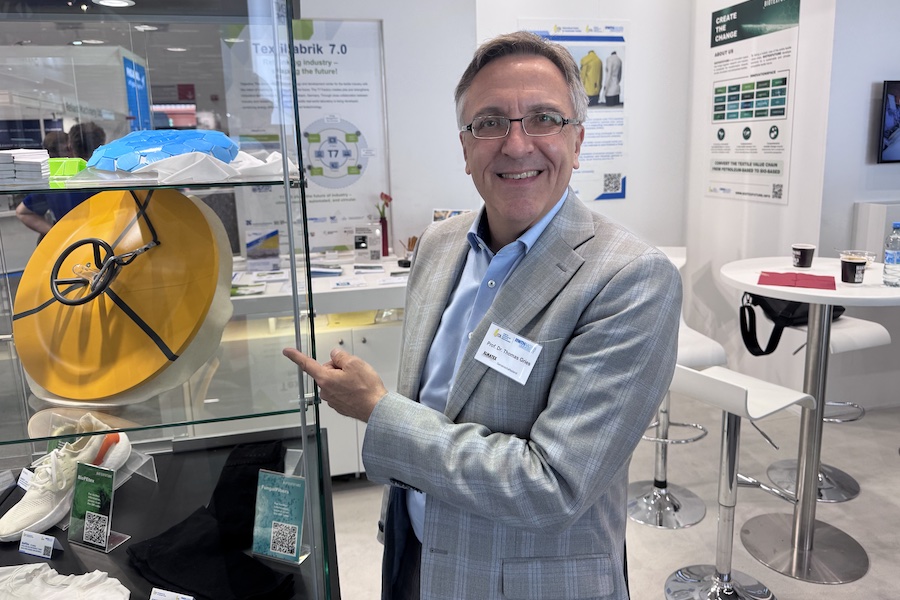
From technical textiles and AI-driven robotics to the limitations of textile circularity: Professor Dr Thomas Gries looks back on more than two decades of development at ITA Aachen. In the interview, he explains why production technology remains a decisive success factor, discusses international collaborations and innovation ecosystems, and shares his views on the transformation of production landscapes and the challenges facing an increasingly regulated industry.

#Knitting & Hosiery

“We need to move away from the price trap and return to a value-driven mindset.”

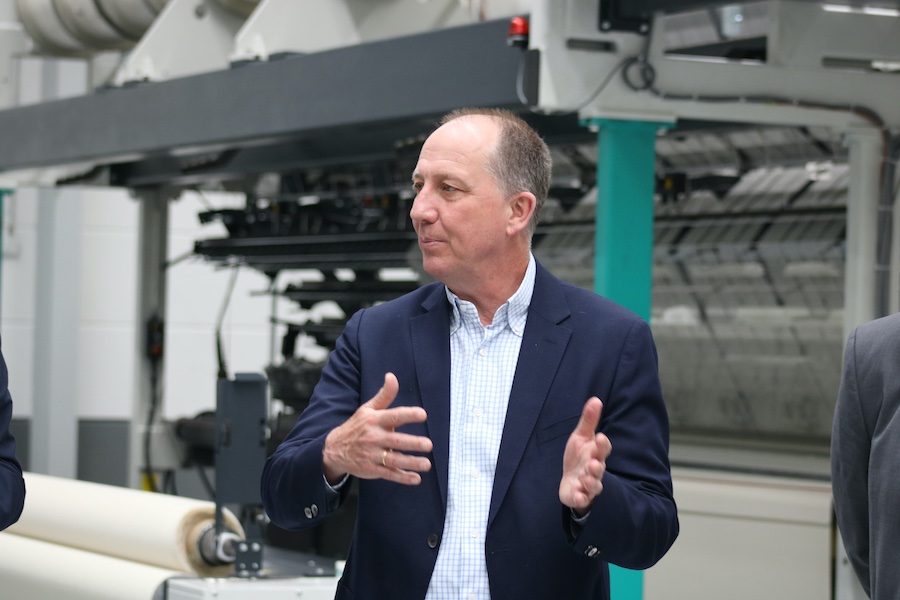
With its new Textile Innovation Center, KARL MAYER is sending a strong signal for innovation, collaboration, and the future of textile applications. In this interview, Karl Josef Mayer discusses new opportunities in warp knitting, the processing of staple fibres, recycling, the changing role of machinery manufacturers, and why the textile industry must once again focus more strongly on the value of textiles. by Oliver Schmidt

#Associations

“Innovation, resilience and international experience remain the great strengths of the Swiss textile machinery industry”

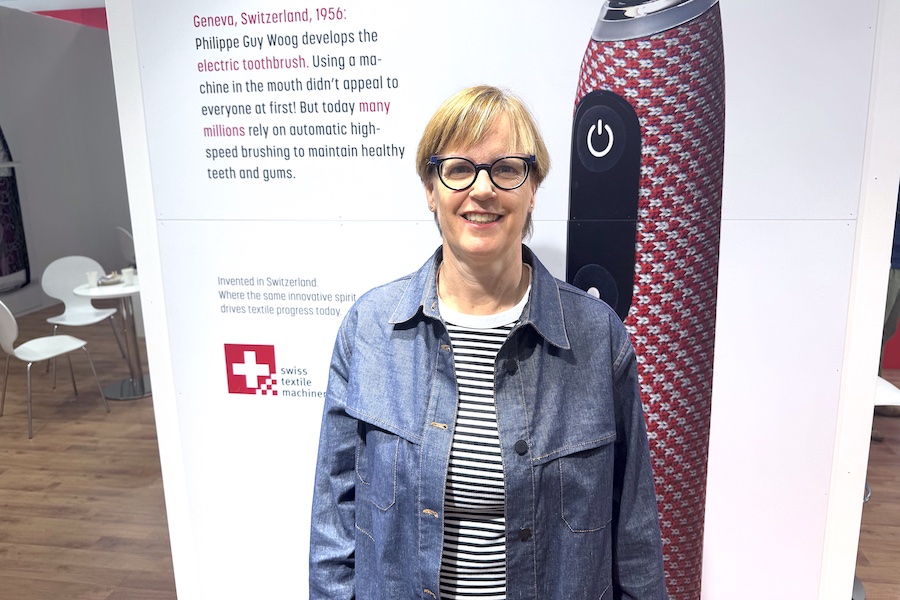
Geopolitical uncertainty, growing competitive pressure from China, new free trade agreements and the shift towards a circular economy are currently reshaping the global textile industry. In this interview, Cornelia Buchwalder discusses the current mood within the Swiss textile machinery sector, the industry’s distinctive innovative strength, new market opportunities in India and Asia, and the technological trends that could shape the upcoming trade fair cycle leading up to ITMA 2027.

More News on Textiles & Apparel / Garment

#Denim

Inside the Making connects denim and sportswear supply chains at Ecomondo 2026

Six European companies are joining forces at Ecomondo 2026 in Rimini to demonstrate how different stages of denim and sportswear production are interconnected. The new initiative, Inside the Making, highlights the importance of cooperation across the textile supply chain in addressing sustainability challenges, from reducing resource consumption to improving transparency and the reliability of environmental claims.

#Textiles & Apparel / Garment

MarediModa highlights transparency and traceability with InsideOut by C.L.A.S.S.

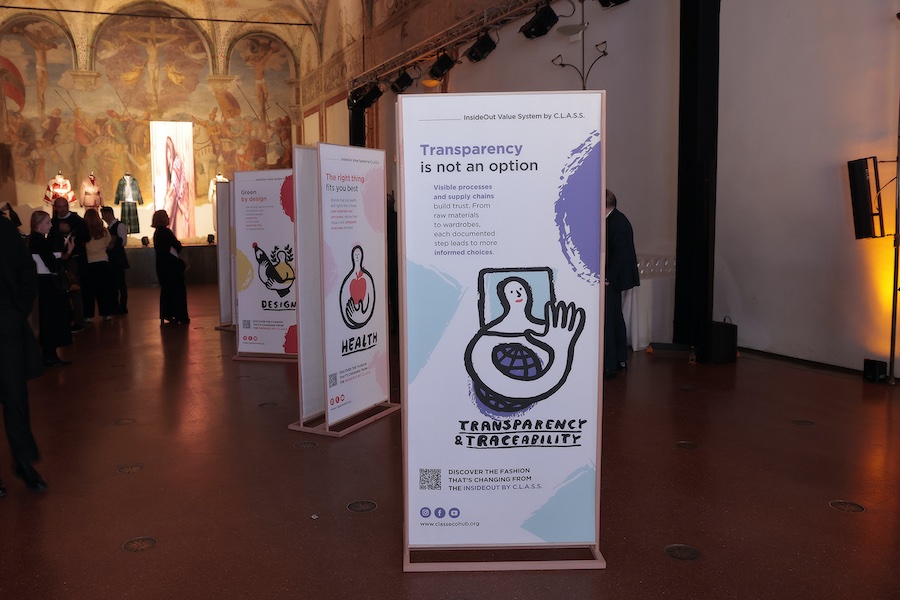
The InsideOut by C.L.A.S.S. exhibition at MarediModa 2026 in Cannes focused on transparency, traceability and the measurable values behind fashion products. Its Decalogue of Values aims to make environmental, social and production-related information more accessible throughout the textile supply chain.

#Denim

Catalyst Club connects fashion industry leaders and emerging talent at Kingpins Amsterdam

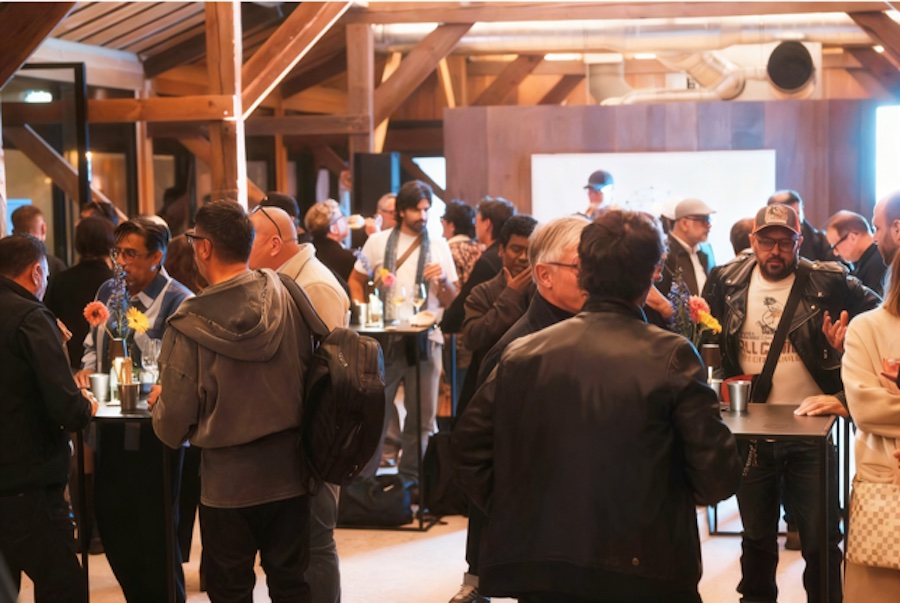
Following its debut in Florence, Catalyst Club hosted its second networking event during the Kingpins Show in Amsterdam, bringing together international fashion and denim industry representatives to exchange ideas, share experiences and explore new opportunities for collaboration.

#Sustainability

Textile Exchange 2026: From sustainability commitments to industry-wide action

More than 1,300 participants and over 90 speakers gathered in Vancouver to discuss how the textile and apparel industry can move from planning to implementation, with a focus on resilient supply chains, circularity, regenerative agriculture and collaboration.

Latest News

#Spinning

Georg Stausberg, a veteran of the textile machinery industry, takes over as Rieter Group CEO

Georg Stausberg, one of the most experienced executives in the international textile machinery industry, has been appointed Chief Executive Officer of the Rieter Group with immediate effect from 4 November 2026. With more than three decades of industry experience and a long-standing leadership career at Barmag, Stausberg brings extensive technological expertise, international market knowledge and an established network across the global textile industry to his new position.

#Industry 4.0 / Digitalization

Jeanologia and BCome connect factory data with Life Cycle Assessment and Digital Product Passports

A new white paper by EIM by Jeanologia and BCome demonstrates how primary environmental data from denim finishing processes can be integrated into a garment's Life Cycle Assessment (LCA) and prepared for use in a Digital Product Passport (DPP). A comparative case study highlights significant improvements at the production stage while also showing how these translate into the environmental performance of the finished garment.

#Nonwovens

EDANA welcomes definitive EU anti-dumping measures on Chinese PET spunbond

EDANA, the international association serving the nonwovens and related industries, has welcomed the European Commission's decision to impose definitive anti-dumping duties on imports of PET spunbond originating in China. The association considers the measures an important step towards restoring fair competition and safeguarding European industrial capacity.

#Nonwovens

EU imposes definitive anti-dumping duties on Chinese PET spunbond imports

The European Commission has introduced definitive anti-dumping duties ranging from 39.8% to 48.1% on imports of PET spunbond from China. The measures, which entered into force on 31 October 2026, will remain in place for five years and are intended to address unfairly priced imports that have caused injury to European manufacturers. The EU market for these nonwoven materials is valued at approximately €200 million.

TOP