[pageLogInLogOut]

#Textiles & Apparel / Garment

Prime China offered great opportunities to connect your business with the most famous Chinese apparel and textile brands

For three days — September 14, 15, 16, Prime China — the most renowned apparel and textile brand alliance from China — has been showcasing live at the Apparel Textile Sourcing Canada Virtual Trade Show. The Prime China “show-within-the-trade-show” featured only the top trending and most well-established Chinese brands.

The members of this alliance are amongst China’s best apparel and textile companies, including garment producers, fabric manufacturers, designers and industrial brands, offering the Western sourcing buyers the very best options when sourcing globally.

Collectively, Prime China provides state-of-the-art manufacturing, well-coordinated tech integrations, enhanced e-commerce, a flexible international sales model and the ability to quickly react in a social-minded, trend-driven, time-sensitive and fast-changing world.

Below are the 8 Chinese apparel and textile brands of Prime China that showcased at Apparel Textile Sourcing Canada Virtual 2021 Trade Show:

MIZUDA – fabrics, functional ?Changshu Garments Town – garment industry cluster in Eastern China, with a trade volume over RMB 160.4 billion in year 2020

BOSIDENG – the most famous down jacket brand in China

QIRUI & DEZE – kidswear, with more than 2000 stores all over China

aparso – outdoor sportswear

GENJOE – knitwear collection

V.ROC.V – flight jackets, tactical pants and high-quality uniforms

MINIMAL EDGE – lady’s collection


On Sept. 9, Prime China presented a fashion show in Toronto for these eight brands. The collection then was showcased in their Canadian-based showroom (please contact Ryan Wang at ryan.wang@landtowninternational.com for more details).

Prime China was featured as a part of the ATS Canada Virtual tradeshow, and was live via zoom video and Manufacturer.com. The trade show featured more than 100 of the world’s top apparel and textile producers from more than a dozen countries. It brought more than 2,000 attendees to meet the manufacturers as well as consult with more than 30 experts speaking at more than a dozen of seminars and panels, all focused on apparel, textiles, fashion and sourcing.
More News from TEXDATA International

#ITM 2026

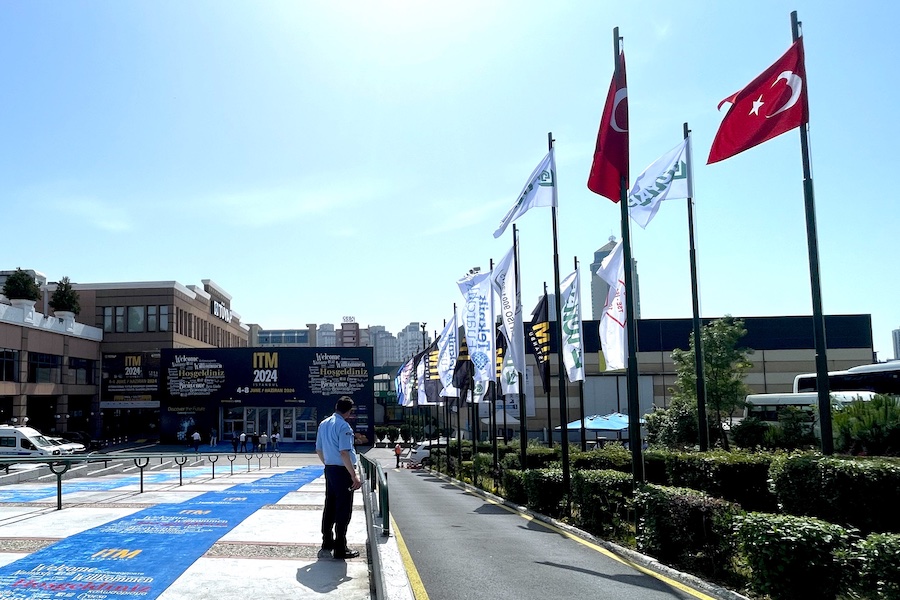
ITM 2026: The new geography of textile production

New production hubs are emerging across North Africa and Central Asia, while Türkiye is accelerating its transformation toward higher-value, technology-driven and more sustainable textile manufacturing.

#Research & Development

“Production is a product”

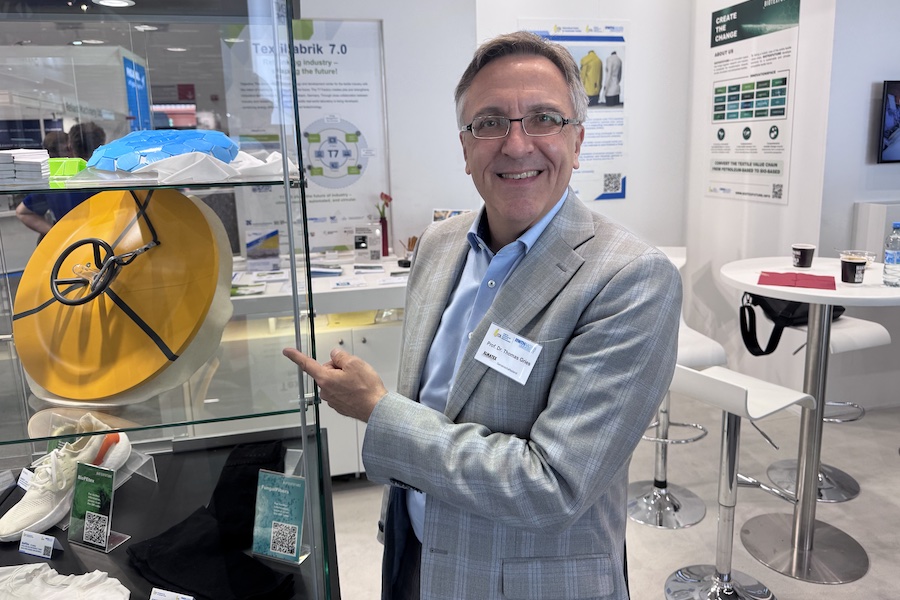
From technical textiles and AI-driven robotics to the limitations of textile circularity: Professor Dr Thomas Gries looks back on more than two decades of development at ITA Aachen. In the interview, he explains why production technology remains a decisive success factor, discusses international collaborations and innovation ecosystems, and shares his views on the transformation of production landscapes and the challenges facing an increasingly regulated industry.

#Knitting & Hosiery

“We need to move away from the price trap and return to a value-driven mindset.”

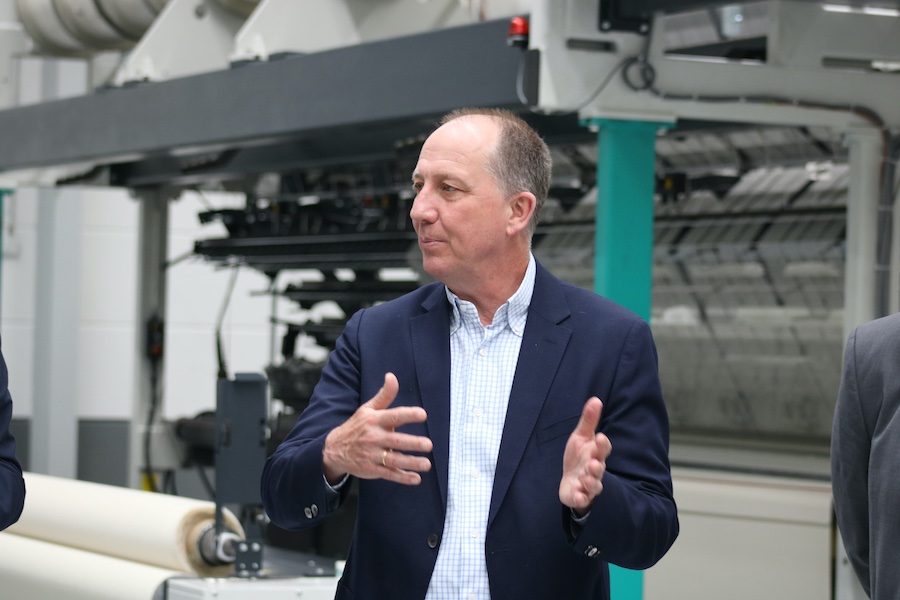
With its new Textile Innovation Center, KARL MAYER is sending a strong signal for innovation, collaboration, and the future of textile applications. In this interview, Karl Josef Mayer discusses new opportunities in warp knitting, the processing of staple fibres, recycling, the changing role of machinery manufacturers, and why the textile industry must once again focus more strongly on the value of textiles. by Oliver Schmidt

#Associations

“Innovation, resilience and international experience remain the great strengths of the Swiss textile machinery industry”

Geopolitical uncertainty, growing competitive pressure from China, new free trade agreements and the shift towards a circular economy are currently reshaping the global textile industry. In this interview, Cornelia Buchwalder discusses the current mood within the Swiss textile machinery sector, the industry’s distinctive innovative strength, new market opportunities in India and Asia, and the technological trends that could shape the upcoming trade fair cycle leading up to ITMA 2027.

More News on Textiles & Apparel / Garment

#Sustainability

Textile Exchange 2026: From sustainability commitments to industry-wide action

More than 1,300 participants and over 90 speakers gathered in Vancouver to discuss how the textile and apparel industry can move from planning to implementation, with a focus on resilient supply chains, circularity, regenerative agriculture and collaboration.

#Textiles & Apparel / Garment

Vietnam’s market evolution creates new sourcing opportunities at VIATT 2027

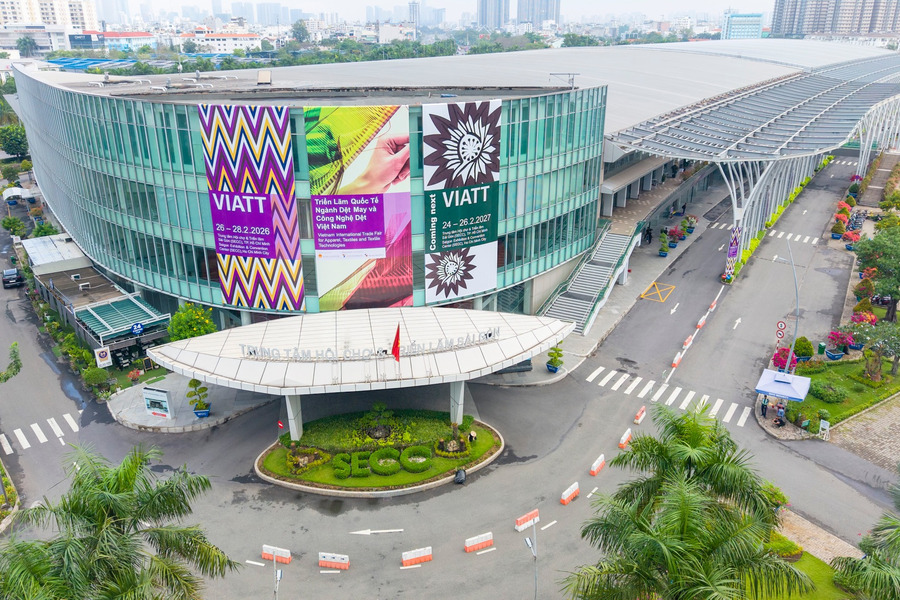
As Vietnam’s textile industry continues to upgrade and scale, new opportunities are emerging for suppliers of advanced raw materials, design-led fabrics, production technologies, and sustainability solutions. The Vietnam International Trade Fair for Apparel, Textiles and Textile Technologies (VIATT) will return 24 – 26 February 2027, presenting a cross-sector platform – spanning apparel, home and technical categories – for overseas companies to connect with manufacturers, brands, sourcing offices, retailers, and industry buyers from Vietnam, ASEAN, and beyond.

#Industry 4.0 / Digitalization

Jeanologia presents expanded EIM platform and COMMON GROUND collection at Kingpins Amsterdam

Jeanologia is presenting two approaches to textile product development at Kingpins Amsterdam on October 14–15: measuring the environmental impact of textile production and exploring new creative possibilities through garment finishing technologies.

#Recycling / Circular Economy

The Or Foundation, adidas, BESTSELLER, H&M Group, and Inditex launch Apparel Recovery Coalition, responding to impacts of post-consumer textile exports

adidas, BESTSELLER, H&M Group, Inditex and The Or Foundation, with support from Circle Economy, unveiled the Apparel Recovery Coalition (ARC). The coalition will explore how producer responsibility systems can support circular pathways such as reuse, upcycling, recycling, and responsible waste management in countries that receive large volumes of exported secondhand apparel.

Latest News

TOP