[pageLogInLogOut]

#Textiles & Apparel / Garment

Eastman Naia™ and DuPont Biomaterials collaborate to launch new sustainable fabric collection

To meet a growing demand for sustainable fashion options, Eastman and DuPont Biomaterials today announced the launch of a fabric collection made with sustainable, biobased materials. The collaboration blends Naia™ from Eastman and DuPont™ Sorona® fibers to create garments with exceptional stretch and recovery, luxurious drape and a smooth, soft hand feel.

The new collection will expand the future of sustainable textiles for designers to use for comfortable everyday casual wear. Visitors to the Intertextile show this week in Shanghai, China, will be able to experience the new fabrics by visiting booth 4.1 -E103. Brands can also see the collection at the Première Vision marketplace site.

Eastman Naia™ cellulosic fiber is the perfect choice for fabrics in womenswear. The Naia™ portfolio of sustainable fibers gives designers more choices and versatility to create. Naia™ filament yarn transforms fabrics into luxurious, comfortable, and easy-to-care-for fabrics, while Naia™ staple fiber blends perfectly with other eco-conscious fibers to create supremely soft, quick-drying fabrics that consistently reduce pilling. Made with responsibly sourced wood from sustainably managed pine and eucalyptus forests and plantations, Naia™ brings the richness of nature to comfortable and effortlessly luxurious fabrics. Produced in a safe, closed-loop process where solvents are recycled back into the system for reuse, Naia™ is made through optimized, low-impact manufacturing. It has a low tree-to-fiber environmental footprint and a third-party-reviewed life-cycle assessment compliant with ISO 14044. Naia™ is also certified as biodegradable in freshwater and soil environments and is compostable in industrial settings, receiving the "OK biodegradable" and "OK compost" conformity marks from TÜV AUSTRIA. Most recently, Naia™ staple fiber received the "OK compost" certification for home settings.

With a rich history of textile innovation, DuPont has invented groundbreaking fibers such as nylon, Lycra®, DuPont™ Kevlar® and rayon. Its Sorona® brand — made from 37% renewable plant-based ingredients — offers a high-performing, responsibly sourced material option. Fibers made with Sorona® polymer are currently used in various apparel applications, including athleisure and athletic wear, insulation, swimwear, outerwear, suiting, faux fur and more.

DuPont™ Sorona® polymer is a breakthrough, biobased, high-performance polymer offering unique benefits for the apparel industry. Sorona® minimizes the impact on the environment without sacrificing quality and performance. It offers unique performance benefits, including incredible softness, stretch and recovery, and inherent stain resistance without the need for topical treatments. Sorona® is a USDA certified biobased product and received OEKO-TEX® STANDARD 100 Certification.
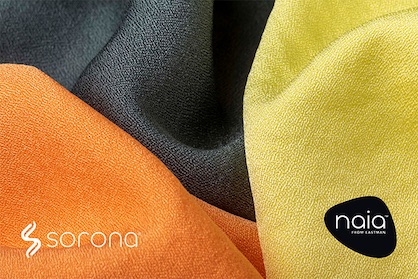
(c) 2020 Eastman
(c) 2020 Eastman


“With Naia™, we are committed to building a more sustainable fashion industry in collaboration with industry partners. We are very excited to be working with the Sorona® team to launch a collection of wonderful fabrics that are a great choice for womenswear fashion. More and more, designers are looking for sustainable fabric choices. And this sustainable fabric collection with biobased, renewable materials showcases that fashion can come without any compromise on beauty, quality or comfort,” said Ruth Farrell, global marketing director of textiles for Eastman.

“We believe collaboration is the only way we will deliver on our promises to the textile industry. Our collaboration with Eastman’s Naia™ branded fibers will allow more apparel brands the opportunity to address tomorrow’s challenges through renewably sourced fiber materials without compromising performance and value. Sustainable fashion is the future, and this new collection is a great example of how you can create stunning designs while caring for our planet,” said Renee Henze, global marketing director at DuPont Biomaterials.


More News from TEXDATA International

#India ITME 2026

India’s textile industry: Current position, growth targets and industrial development

With ambitious export targets, major investments in manufacturing infrastructure and new international trade agreements, India is pursuing a comprehensive development strategy for its textile and apparel industry. An overview of the industry’s current position, government initiatives, progress achieved and challenges ahead.

#India ITME 2026

India ITME 2026: Textile technology meets India's investment ambitions

With ambitious growth targets, government incentive programmes and industrial development initiatives already underway, India is preparing for the next stage of its textile transformation. Against this backdrop, the 12th India ITME, taking place in Greater Noida from 4 to 9 December 2026, arrives at a particularly important moment for machinery manufacturers and textile producers alike.

#Digital Printing

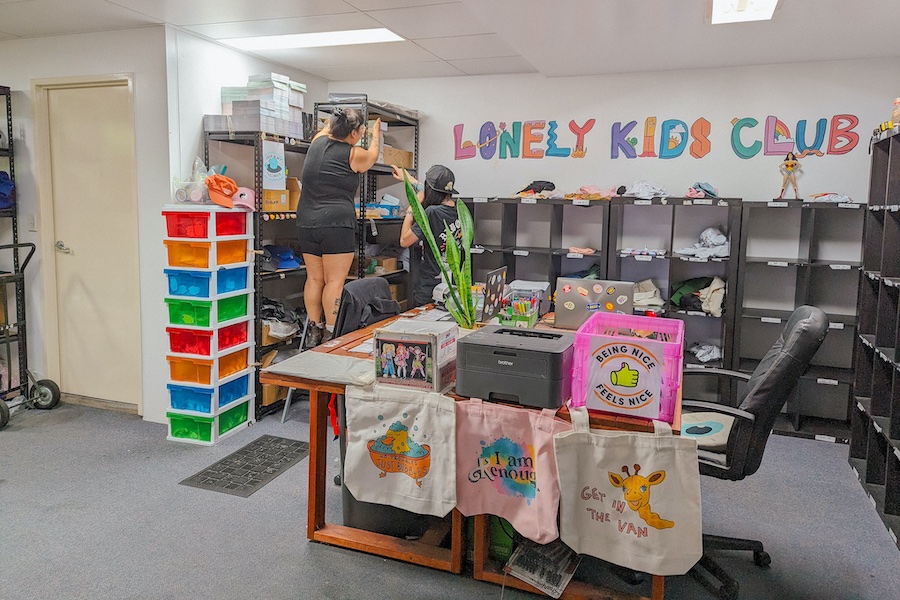
From a bedroom startup to 3,000 designs: How Lonely Kids Club built its business with DTG printing

Founded in Sydney in 2011, independent clothing label Lonely Kids Club has grown from a bedroom startup into a business offering around 3,000 graphic T-shirt designs. With its own production studio, direct-to-garment printing and a demand-driven manufacturing model, the company demonstrates how smaller apparel brands can combine creative independence with flexible production – while navigating the everyday challenges of quality control, workflow efficiency and sustainability.

#Weaving

“A complex design is only useful if the machine can reproduce it consistently”

Andreas Schnabel, Head of R&D for Technical Weaving Systems at Stäubli, discusses how 3D weaving can create textile reinforcements tailored to the loads within a composite component, where near-net-shape weaving can reduce processing steps and material waste, and what it takes to produce complex structures reliably and economically. He also explains how manufacturers can adapt Stäubli’s modular TF weaving platforms to new applications and how the company’s centre of excellence in Bayreuth supports the transition from research to industrial production.

More News on Textiles & Apparel / Garment

#Textiles & Apparel / Garment

VIATT 2027 names Thailand as its inaugural Partner Country

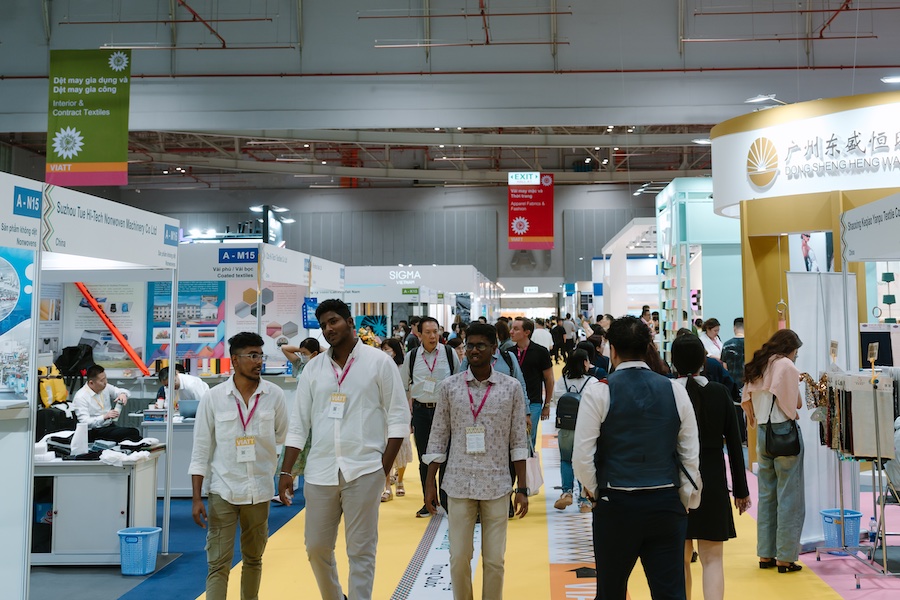
Thailand will take centre stage as the inaugural Partner Country at the Vietnam International Trade Fair for Apparel, Textiles and Textile Technologies (VIATT), returning to Ho Chi Minh City from 24 to 26 February 2027. Featuring a pavilion, dedicated product displays and various fringe events, the Partner Country programme will showcase Thailand’s textile and fashion capabilities, complementing an exhibitor line-up spanning VIATT’s three sectors. Alongside this new cooperation, eight additionally confirmed country and region pavilions and zones are set to strengthen the fair’s international offering.

#Sustainability

Fashion for Good launches Project Footprints Unpacked to close environmental data gaps in the footwear industry

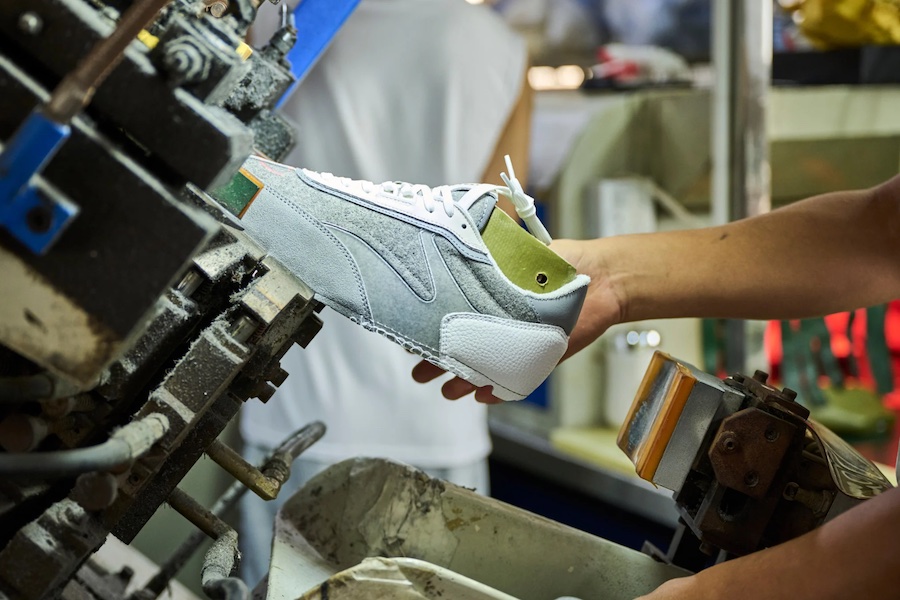
Fashion for Good has launched Project Footprints Unpacked, a joint effort with Carbonfact, New Balance, On and two other brands. The project aims to transform primary data from suppliers into ISO-compliant life cycle assessment (LCA) datasets to guide robust reporting and scalable decarbonisation decisions in the footwear value chain.

#Industry 4.0 / Digitalization

Smartex.ai names Tony Fadell chairman and previews new fabric inspection system

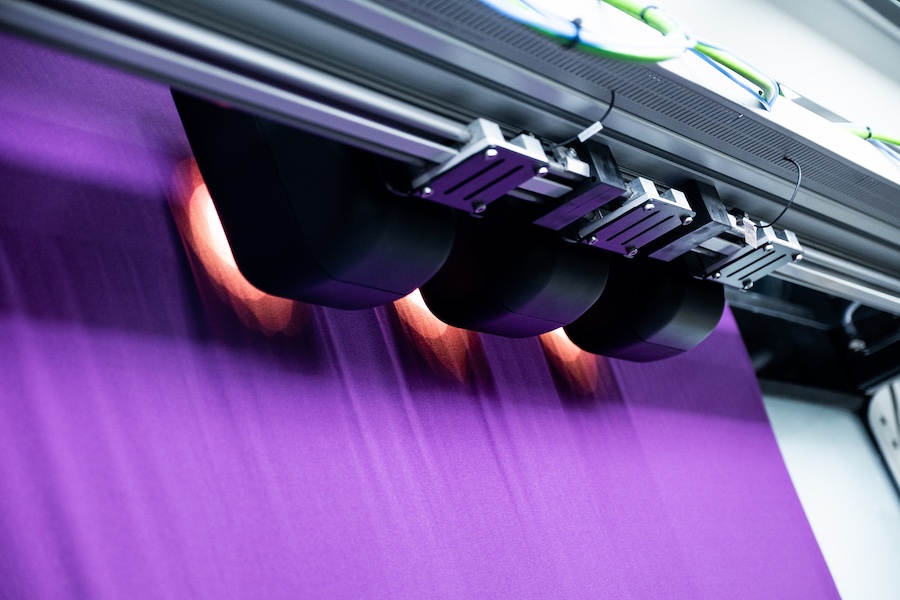
Smartex.ai has appointed Tony Fadell as chairman and will present its new fabric inspection hardware and software at SmartCollab Hong Kong on 27 November. Fadell co-designed Inspect, the hardware at the centre of the system, which Smartex developed with a supplier in H&M Group’s network.

#Sustainability

Cascale adds more than 20 material options to the Higg MSI

Cascale announced version 3.13 of the Higg Material Sustainability Index (Higg MSI) on 12 November 2026. The update adds more than 20 material options from 10 data contributors and revises more than 20 existing datasets. It has been available on the Worldly platform since 11 November.

Latest News

#Spinning

Alexander Hoffmann to succeed Klaus Schäfer and Wolfgang Imping as managing director of BB Engineering

Starting January 1, 2027, Alexander Hoffmann will take over as managing director of BB Engineering GmbH, a German manufacturer of machinery and equipment for the plastics and textile industries. He succeeds Dr.-Ing. Dr. h.c. Klaus Schäfer and Wolfgang Imping, who will both retire at the end of 2026.

#Raw Materials

Cotton Brazil strengthens ties between Brazilian growers and the international textile industry at ITMA ASIA 2026

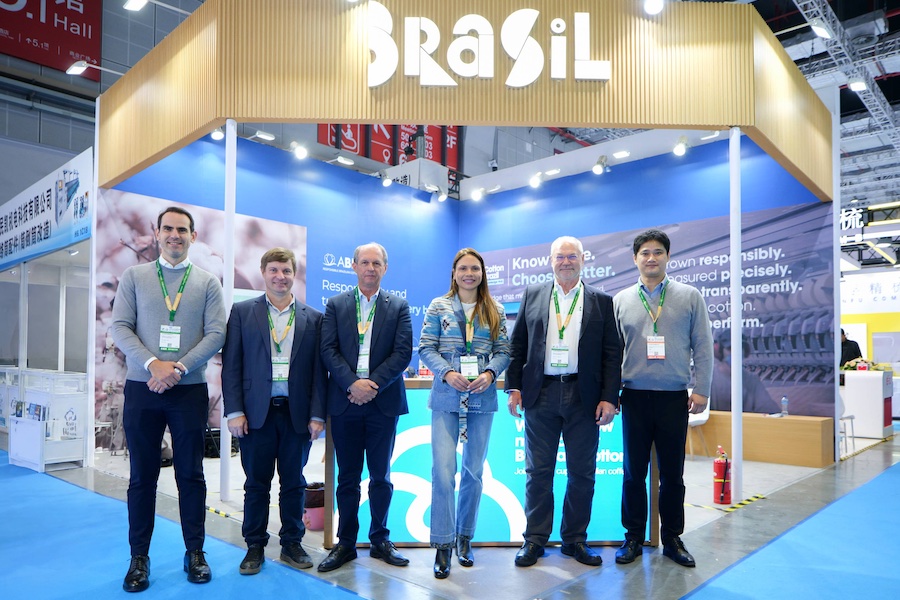
Cotton Brazil's participation in ITMA ASIA + CITME 2026 in Shanghai highlighted responsible production, traceability, fibre quality and technical knowledge sharing as key differentiators of Brazilian cotton. Strengthening relationships between Brazilian cotton growers and the international textile industry was a central objective of the initiative at the exhibition, which took place from November 20 to 24.

#India ITME 2026

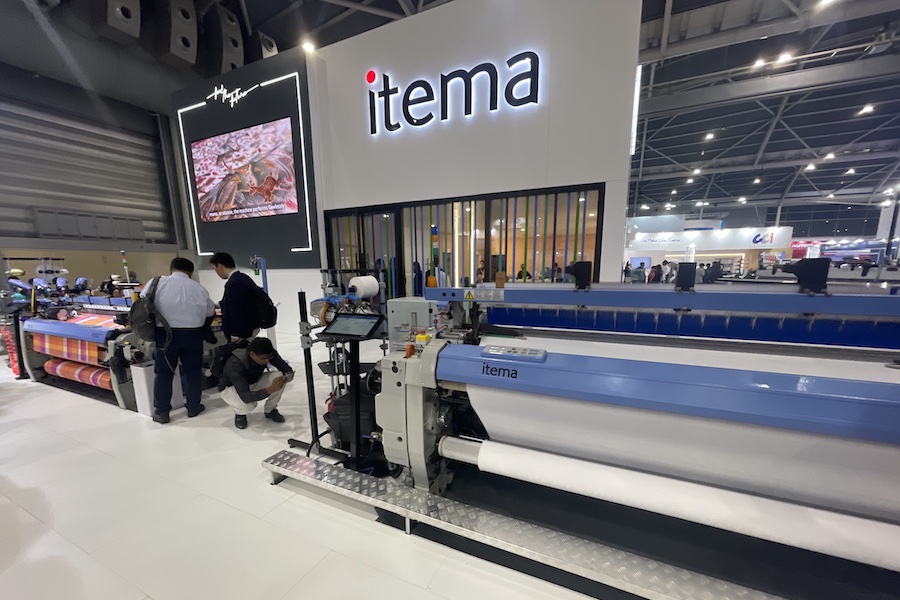
Itema demonstrates weaving versatility for apparel, suiting and sarees at India ITME 2026

At India ITME 2026, taking place from December 4 to 9 in Greater Noida, Itema will present three weaving machines configured for specific requirements of the Indian textile industry. Visitors to Hall 15, Stand G9 will see an A9500EVO air-jet weaving machine and two R9500EVO rapier weaving machines producing fabrics for apparel, suiting and sarees.

#India ITME 2026

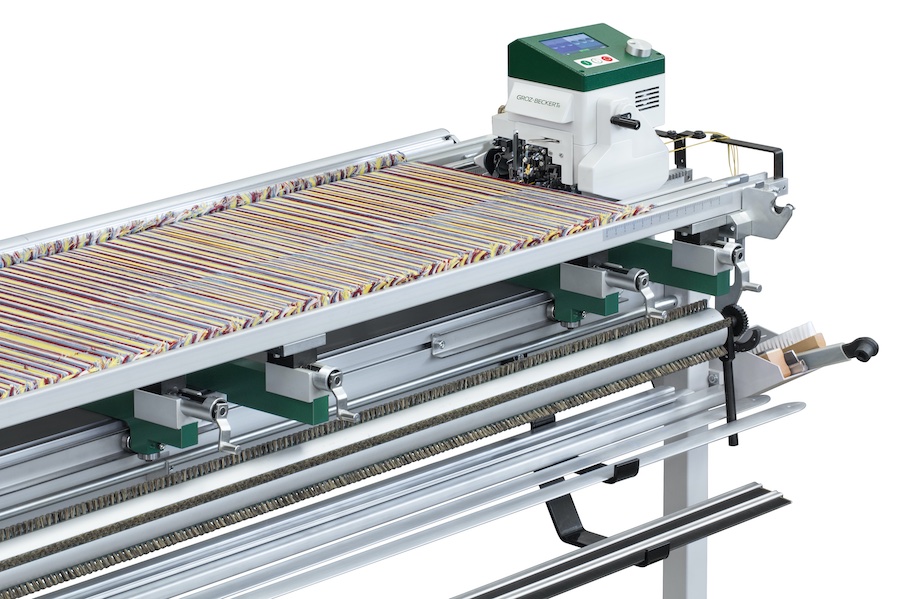
Groz-Beckert targets energy efficiency, productivity and process reliability across six textile technology sectors at India ITME 2026

At India ITME 2026 in Greater Noida from 4 to 9 December, Groz-Beckert will present its latest innovations across all six product areas – Knitting, Weaving, Nonwovens, Sewing, Tufting and Spinning. At Hall 14, Booth B6, the German textile technology specialist will showcase advanced components, systems, services and digital solutions designed to improve energy efficiency, productivity, process reliability and textile quality while addressing the increasingly diverse requirements of modern textile manufacturing.

TOP