[pageLogInLogOut]

#Textiles & Apparel / Garment

OEKO-TEX® certified products are safe for consumers

Children’s clothing that meets the strict requirements of OEKO-TEX® Standard 100 does not pose any health risks for consumers (c) 2014 Oekotex
In its study "A little story about the monsters in your closet" published in mid January, the environmental organisation Greenpeace criticised numerous discoveries of harmful substances in children's clothing from renowned brand manufacturers. In connection with this, the OEKO-TEX® Association expressly states that children's clothing that meets the strict requirements of OEKO-TEX® Standard 100 does not pose any health risks for consumers.

For all the parameters (nonylphenol ethoxylates, carcinogenic arylamines, phthalates/softeners, organotin compounds, perfluorinated compounds (PFCs) and antimony) included by Greenpeace in the tested samples, the OEKO-TEX® Standard 100 requires compliance with strict requirements. The annually updated test criteria and limit values in many cases go far beyond the valid national and international requirements. From a consumer point of view, over 20 years of experience as a leading certification system for independent testing for harmful substances contributes to the highest degree of product safety. Extensive product checks after the certificate has been issued, as well as regular company audits, also ensure that the industry has a globally sustainable awareness of the responsible use of chemicals.

Since 1992, the central focus of the OEKO-TEX® tests for harmful substances has been the development of test criteria, limit values, and test methods on a scientific basis. The aim of the OEKO-TEX® laboratory tests, however, is not just to detect chemical substances, which, as a result of today’s technical possibilities, can be done down to the smallest µg quantities. Rather, the decisive factor for the wearer (child) is whether, through usual skin contact when wearing the clothing, for example, substances really can enter the body and cause health problems. Here, OEKO-TEX® has created an internationally applicable yardstick that can be easily understood by the consumer through the "Confidence in Textiles" label.

For the sake of objective consumer information, it should also be mentioned in connection with the Greenpeace report that some of the criticised chemicals are in no way limited to a use in textiles, and can also be found in products in everyday use. Perfluorinated substances (PFCs), for example, can be found in Teflon coatings for various kitchen utensils (e.g. frying pans) or are approved for functional food packaging, where they are subject to far more drastic and sensitive conditions of use than textiles. Surgical clothing can also be finished with PFCs for barrier protection. Antimony is a component of practically all textile articles made of polyester materials and occurs in most PET beverage bottles and other plastic packaging.

Conclusion:

With its criteria for hazardous substance testing for textiles (OEKO-TEX® Standard 100) - as well as the additionally offered certification of environmentally friendly and socially responsible production facilities (STeP by OEKO-TEX®), the holistic approach of which also explicitly includes responsible chemicals management and sustainable manufacturing technologies - OEKO-TEX® specifically helps all companies and retail chains in the textile industry to optimise their production chains with regard to harmful chemicals in line with the "Zero Discharge of Hazardous Chemicals" (ZDHC) and detox campaigns respectively. In addition, in the store, end consumers are provided with a useful aid to decision-making when buying textile products of all kinds thanks to the label "Confidence in Textiles – tested for harmful substances in accordance with OEKO-TEX® Standard 100".

More News from Oeko-Tex® Association

#Sustainability

OEKO-TEX® chooses TextileGenesis to advance digital traceability for organic cotton

OEKO-TEX® today announced a full collaboration with TextileGenesis, a Lectra company, to digitally trace and authenticate organic cotton, strengthening fraud prevention across the supply chain. This announcement follows a successful pilot and brings together OEKO-TEX®’s certification expertise and closed testing system with TextileGenesis’ digital traceability platform to deliver a secure, end-to-end solution for managing certified organic cotton flows.

#Sustainability

OEKO-TEX® - New regulations 2025

Fostering trust within the textile and leather industry remains the mission of OEKO-TEX®. Since trust relies on consistently high standards, the OEKO-TEX® Association has released the updated testing criteria, limit values and guidelines for its certifications, based on the latest scientific research and legal developments.

#Sustainability

OEKO-TEX® Annual Report 2023/2024 mentions 50,000+ valid certifications

The international OEKO-TEX® association has continued to demonstrate positive business growth, highlighting the critical role of close collaboration and shared commitment in accelerating sustainable change. More than 35,000 textile and leather companies depend on the certificates and product labels issued by OEKO-TEX®’s independent testing institutes. OEKO-TEX® issued more than 50,000 certificates and labels between July 1, 2023, and June 30, 2024 – an increase of 22% over the previous financial year.

#Sustainability

OEKO-TEX® New regulations 2024

Creating trust within the textile and leather industry and for its customers is the mission of OEKO-TEX®. Since trust is based on consistently high quality, the OEKO-TEX® Association is again publishing updates to the applicable test criteria, limit values and guidelines for its certifications. Based on new scientific findings and legal developments, the OEKO-TEX® Association has published the annual updates to its test criteria, limit values and guidelines.

More News on Textiles & Apparel / Garment

#Yarn & Fiber

Next week’s focus: Intertextile Shenzhen & Yarn Expo Shenzhen fuse textile tradition with sustainable, digital trends

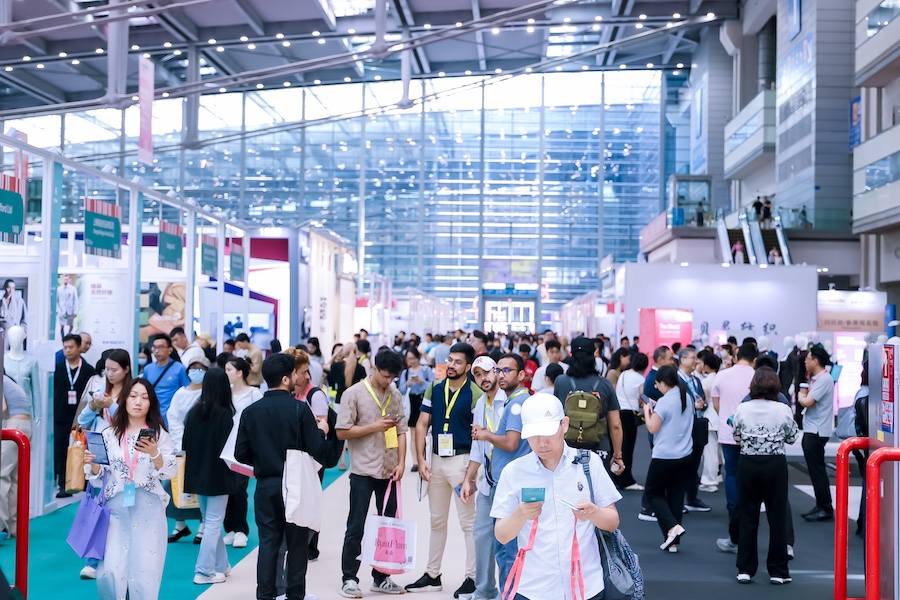
Fashion will not be left behind in one of the world’s undisputed tech and manufacturing capitals. Which is why next week, at Intertextile Shenzhen Apparel Fabrics and Yarn Expo Shenzhen 2026, the organisers have made special efforts to integrate textile topics such as materials innovation, holistic sustainability, digitalisation and AI. Yet, from 9 – 11 June at the Shenzhen Convention and Exhibition Center, the platform also includes timeless tradition and heritage-inspired evolution in equal measure. Across both shows, over 600 exhibitors from 11 countries and regions are set to showcase everything from Peruvian alpaca wool fabrics to tea-derived fibres, while their fringe programmes will explore diverse solutions along the entire value chain.

#Textiles & Apparel / Garment

Global size study for brands and retailers to optimize fit and market coverage

Hohenstein Apparel Fit Solutions, a global leader in apparel fit, sizing, and product development, today announces the launch of its Global Size Study, a new initiative designed to equip brands to better understand and serve their target consumers through more accurate, market-relevant sizing.

#Textiles & Apparel / Garment

New sourcing regions and sustainable solutions shape Texworld Paris 2026

From August 31 to September 2, 2026, Texworld Apparel Sourcing Paris will once again bring together all international players in textiles and apparel at the Paris-Le Bourget Exhibition Center.

#Textiles & Apparel / Garment

Messe Frankfurt commits further to East Africa: three textiles trade fairs during Africa Sourcing and Fashion Week from 2027

Messe Frankfurt and its Texpertise Network continue their steady, successful trajectory in the region. As Africa Sourcing and Fashion Week (ASFW) opened today, Member of the Executive Board Detlef Braun announced that Messe Frankfurt is licencing its three leading international trade fair brands Texworld, Apparel Sourcing and Texprocess to Nairobi, Kenya for the first time in 2027. From now on, they will take place annually as part of the Africa Sourcing and Fashion Week (ASFW) Nairobi.

Latest News

#ITM 2026

The future of textiles, the power of trade, and the summit of technology come together at ITM 2026

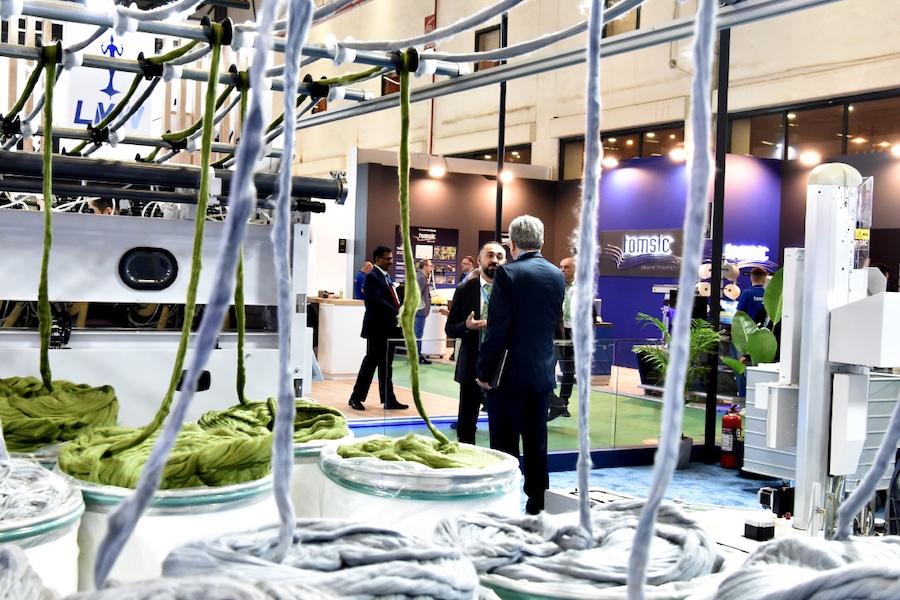
ITM 2026 International Textile Machinery Exhibition, one of the most prestigious organizations in the textile technologies sector, opens its doors to visitors between June 9-13. Expected to break records in terms of both exhibitor and visitor numbers, as well as the technological vision it presents, ITM 2026 will transform into a global trade hub with machine sales, and new business collaborations.

#Nonwoven machines

ATCO Hygienics, Uzbekistan, orders baby diaper production line from ANDRITZ

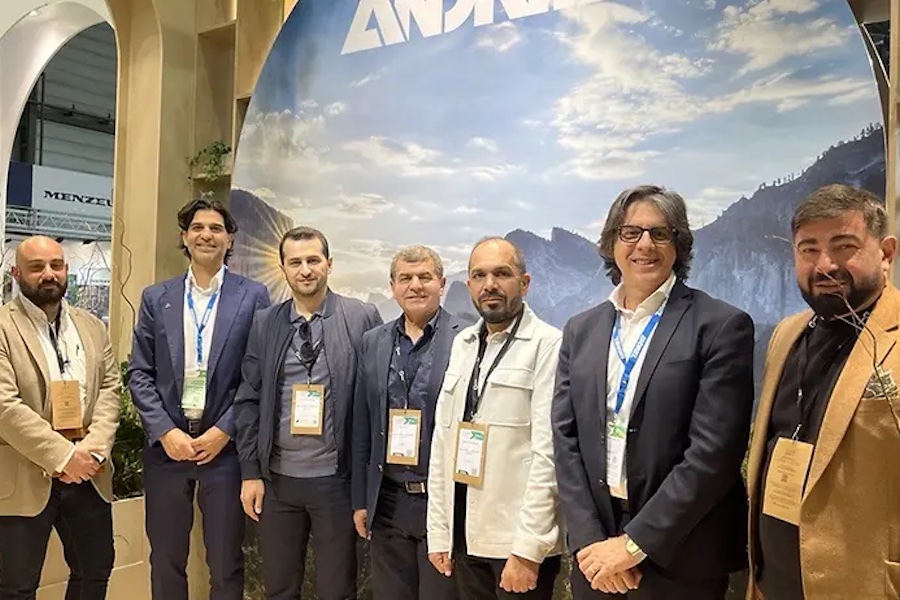
International technology group ANDRITZ has received an order from ATCO Hygienics to supply a new baby diaper production line for its plant in Tashkent, Uzbekistan. The order is included in ANDRITZ’s order intake for the first quarter of 2026. Commissioning of the production line is scheduled for the end of 2026.

#Weaving

Itema manufactures the first Projectile Weaving Machines “Made in Italy” at its Colzate Headquarters.

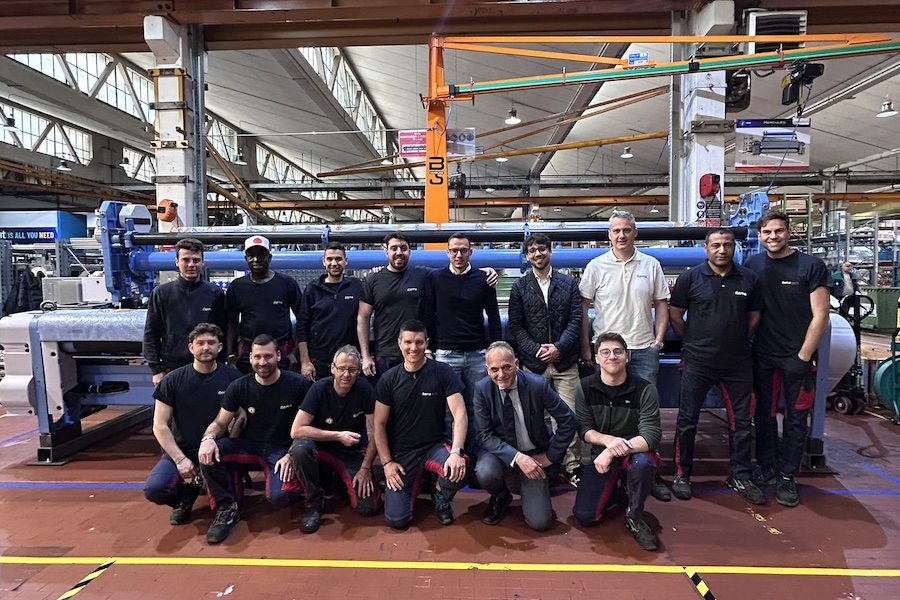
Itema proudly announces an important industrial milestone: in early May, the first Itema projectile weaving machines manufactured in Italy were successfully produced at the Group’s headquarters in Colzate.

#Spinning

Nico Pedretti appointed as Managing Director Graf Group

As of June 1, 2026, Nico Pedretti has assumed the role of Managing Director Graf Group. With more than 20 years of international industrial experience and extensive expertise in Operations, Supply Chain Management, Finance and Controlling, he brings a broad range of leadership and business experience to support Graf’s continued success.

TOP