[pageLogInLogOut]

#Textile chemistry

HeiQ launches HeiQ Synbio, an innovative cleaning line using prebiotics and probiotics
© 2022 HeiQ
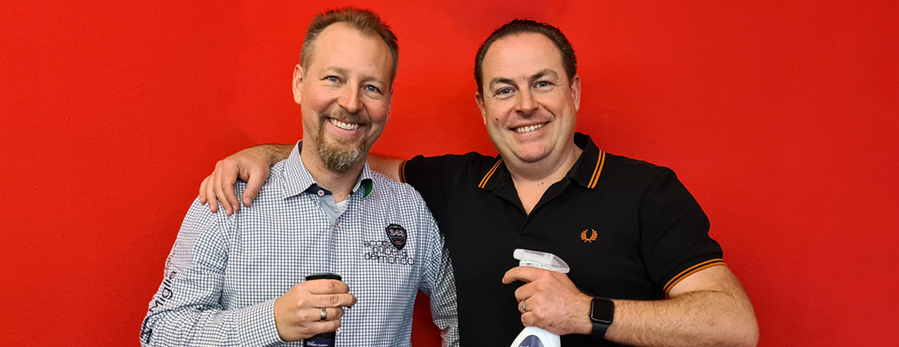
Zurich-based materials innovation company HeiQ launches the new Synbio cleaning range in Switzerland. The patented technology uses probiotics, so-called “good bacteria,” to sustainably clean surfaces and textiles while protecting people, pets and the environment. With HeiQ Synbio, HeiQ is responding to growing consumer interest in health, hygiene and safety. The development of the products was made possible by the acquisition of the Belgian company Chrisal in March 2021.

HeiQ, the Zurich-based leader in material innovations, is launching a new range of cleaning products in Switzerland today. These contain probiotics (good bacteria), and are enriched with prebiotics (sugars that feed these bacteria). The HeiQ Synbio Cleaning Spray for hard surfaces and the HeiQ Synbio Allergen Spray for textiles are the first products on the market to use this patented technology to clean well and restore a balanced microbiome in people’s home. The cleaning effect can last for days after applying the products, as millions of probiotics continue to work on the surface of the materials.

A reduction of pollen allergens by almost 90%

About 35% of the Swiss are sensitized to allergens, 20% have a pollen allergy and more and more children develop allergies.1) Increasing allergies are a problem taken very seriously in our country. In addition, many of the problems and issues we battle in our homes today, e.g. funky shoes, dust mite allergens, mold in our showers or black gunk in our drains, are related to a microbiome that is not well balanced. HeiQ Synbio sprays are effective in breaking down stains and allergy causing proteins to clean even the smallest crevices and fine grooves while actively preventing odors. “Probiotic products are particularly helpful for people with allergies to dust mite matter, animal hair or pollen”, explains Nick Ritter, Sales Director Healthcare & Cosmetics at HeiQ in Zurich. “Studies have shown that probiotic products managed to reduce dust mite allergens by 60% and pollen allergens by almost 90%. Allergies are usually triggered by the proteins of allergen carriers. The enzymes of probiotic cleaning products break down these proteins and can continue to work for days after spraying.”

Proven results in hospitals

Dr. Robin Temmerman, microbiologists and CEO of HeiQ Chrisal, the Belgian subsidiary of HeiQ Group where Synbio products are produced, comments: “In their pursuit of perfect cleanliness, people have been using antibiotics and biocides for far too long and in excessive amounts, which can result in resistant microorganisms, so-called “super bugs”, that are a huge problem in hospitals. Our inspiration for the creation of probiotic cleaning products at HeiQ Chrisal was founded in our conviction that probiotics are the only true sustainable solution to maintain good hygiene.. Cleaning with probiotics balances the microbiome with the natural “good” bacteria that we need. Probiotic cleaners have been used for ten years in hospitals and clinical studies with not reported safety concerns, while contributing to decreasing infection rates. Today, more than 40 hospitals in Europe clean with probiotic products.”


Availability and price

HeiQ’s Synbio Cleaning Spray for hard surfaces and Synbio Allergen Spray for textiles are available in pharmacies and drugstores in Switzerland at the recommended price of 9.90 CHF (HeiQ Synbio Cleaning Spray) and 27.90 CHF (HeiQ Synbio Allergen Spray).

Switzerland on its way to reduce harmful ingredients

Many people are concerned about the amount of biocides and harsh chemicals used in daily life and worry about a healthy living environment, which prompted the European Commission (EC) to act. Switzerland follows the EC’s action plan for “zero pollution” in air, water, and soil by 2050, as well as the “green deal”, a regulatory framework that comes into effect in 2023 to promote biodiversity by reducing the use of chemical pesticides, antibiotics, and harmful ingredients. The impact of the EC’s “green deal” is strong. Probiotics are recognized by the EC Ecolabel as valid eco-friendly technology. HeiQ Chrisal’s SYNBIO cleaning products have been granted the EU Ecolabel. Probiotics are derived from natural source material, are not genetically modified (non-GMO), are not considered pathogenic, are readily biodegradable, and their degradation products are considered safe for flora and fauna. The volume of probiotic cleaning products will grow significantly, based on the changing legislation as well as consumers’ growing interest in health, hygiene, and safety.
More News from HeiQ Materials AG

#Textile chemistry

HEIQ expands in ASIA with BIG SUNSHINE as key partner

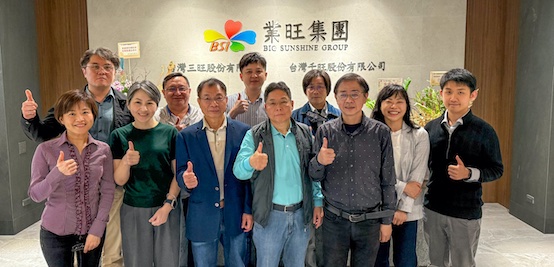
HeiQ, a global leader in materials and textile innovation, is strengthening its presence in Asia by onboarding BIG SUNSHINE CO., LTD. as a key full-service partner in the region. This collaboration aims to further improve HeiQ’s overall service capabilities in Taiwan and across the wider Asian region, furthering its vision of global expansion and footprint in Asia.

#Textile processing

HeiQ announces return to private company structure

HeiQ, a leading innovator in materials technology, announced its decision to return to private company structure from the London Stock Exchange as part of a strategic move to focus resources, streamline operations, and accelerate growth, effective November 19, 2024 (LSE:HEIQ). HeiQ shares will continue trading on the JP Jenkins securities or a similar matching platform from November 20, 2024.

#Denim

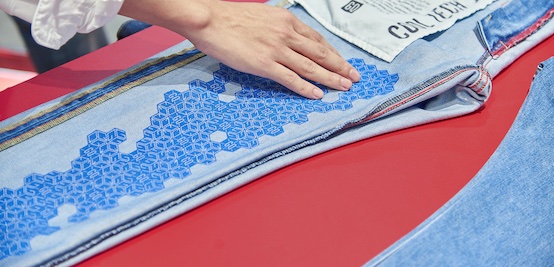
HeiQ and GQ Apparel bring biobased cooling to denim in Thailand

HeiQ, a global leader in textile and materials innovation, proudly announces a strategic cooperation with GQ Apparel, a premier Thailand-based tech apparel brand. GQ Apparel enhances it denim offering with HeiQ’s advanced cooling solution, marking a significant milestone in the Southeast Asian market.

#Textile chemistry

HeiQ expands application of HeiQ Allergen tech to upholstery fabric through collaboration with CULP

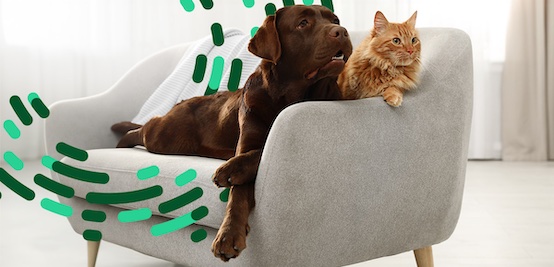
HeiQ partners with Culp to apply HeiQ Allergen Tech, a 100% biobased* solution that reduces allergens on textiles, onto interior upholstery fabric. HeiQ announces the extended application of HeiQ Allergen Tech to bring the benefits of this biobased textile technology to the interior upholstered furniture market, marking a unique launch into this segment.

More News on Textile chemistry

#Textile chemistry

DyStar Group announces Board transition to drive innovation

DyStar, a leading specialty chemical company with a heritage of more than a century in product development and innovation, announced today the appointment of Ruan Cunfan to its Board of Directors, effective 20 February 2026.

#Textile chemistry

Jeanologia urges industry to accelerate PP Spray phase-out following ZDHC Watchlist update

Potassium permanganate has officially entered the Chemical Watchlist of the ZDHC Foundation, signaling increased scrutiny and potential phase-out of one of the most hazardous chemicals still used in denim finishing. The inclusion confirms an industry shift that Jeanologia anticipated more than a decade ago.

#Textile chemistry

RUDOLF gets the exclusive global distribution rights for Sanitized® textile technologies

With effect from today, RUDOLF officially assumes exclusive global distribution rights for Sanitized® textile technologies from SANITIZED AG. This is the next milestone in the strategic collaboration announced in 2025, with the partnership between the two companies now fully implemented and expanded worldwide.

#Denim

organIQ seek: smart alternative to potassium permanganate

CHT Group announces new technical findings within its organIQ seek platform that significantly advance the transition toward permanganate-free denim bleaching. Through extensive industrial testing and application research, CHT confirms that organIQ seek can now be used with remarkable effectiveness as a substitute for potassium permanganate in spray bleach, while remaining aligned with sustainability expectations and cost realities in the European market. At the COLOMBIATEX in Medellín as well as at the Exintex in Puebla and the Kingpins Show in Amsterdam the CHT Group will present organIQ seek as an alternative to potassium permanganate.

Latest News

#Denim

Jeanologia launches Billy

The new AI extracts precise laser designs from a garment image in minutes, transforming how vintage denim is recreated for production. If Jeanologia’s laser changed the way jeans were made at the end of the last century, its AI now takes the next step: moving from reproducing wear to designing it. / archive photo © 2026 Jeanologia

#INDEX 2026

EDANA unveils nominees for INDEX™26 Awards: Highlighting the next generation of nonwoven excellence

EDANA is proud to unveil the highly anticipated nominees for the INDEX™26 Awards, the nonwoven industry’s highest accolade for technical and sustainable excellence. Out of a record-breaking field of entries, these finalists represent the cutting edge of material science—from bio-based hygiene fibers and PFAS-free protective textiles to revolutionary water-filtration machinery. Each nominee has been selected by a jury of industry experts for their ability to solve critical global challenges, including the transition to a circular economy and the pursuit of enhanced consumer performance.

#Raw Materials

Lenzing Group positions bio‑based materials as a strategic asset for Europe’s economic security

The Lenzing Group, a leading supplier of regenerated cellulose fibers for the textile and nonwovens industries, hosted a high‑level roundtable in Brussels to discuss how bio‑based materials can strengthen Europe’s economic security and support the shift toward a fossil‑free future. Organized in cooperation with Euractiv, the event brought together representatives of the European Commission, the UK Mission to the EU, academia, civil society, and industry.

#Natural Fibers

Beyond Cotton: Natural Fibres in the Spotlight at the Bremen Cotton Conference - Branded by DNFI

Climate targets, fragile supply chains, and rising regulatory requirements are fundamentally changing the perspective of the textile industry - the focus is increasingly shifting toward the base material. Not only cotton, but natural fibres are gaining significant importance: they stand out not only because of their outstanding functional properties, but also because they make a valuable contribution to the bioeconomy and responsible product development.

TOP