[pageLogInLogOut]

#Recycling / Circular Economy

CARBIOS and De Smet Engineers & Contractors enter engineering partnership for construction of world’s first PET biorecycling plant

CARBIOS (Euronext Growth Paris: ALCRB), a pioneer in the development and industrialization of biological technologies to reinvent the life cycle of plastic and textiles, and De Smet Engineers & Contractors (DSEC), a world-class provider of Engineering, Procurement and Construction services in the biotech’s and agro-processing industries, jointly announce their collaboration to spearhead the construction of the world's first PET biorecycling plant.

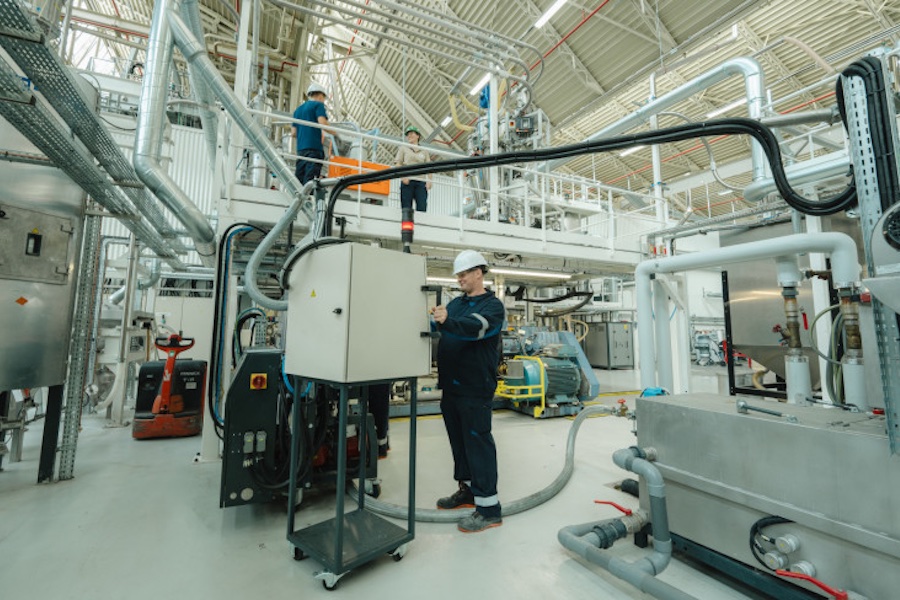
Under the agreement, De Smet has been entrusted with the project management and detailed engineering, including procurement assistance and CARBIOS partners’ management, to ensure the execution of the plant's construction in Longlaville, France, due for commissioning in 2025. CARBIOS’ first commercial facility will play a key role in the fight against plastic pollution by offering an industrial-scale solution for the enzymatic depolymerization of PET waste to accelerate a circular economy for plastic and textiles.

With over 70 members of De Smet's expert team dedicated to the project and working alongside CARBIOS teams, the collaboration aims to guarantee the project timeline and budget while upholding stringent quality, safety, health, and environmental standards. Construction is currently underway and on schedule.

Emmanuel Ladent, CEO of CARBIOS: “De Smet was selected after a comprehensive bidding process, and we are very confident in our successful cooperation. De Smet has an excellent track record in the engineering and management of complex industrial projects and has extensive experience in water-based technologies. With our combined expertise and shared ambition, this collaboration marks a significant step towards fulfilling CARBIOS' vision of a sustainable future for plastic and textiles.”


Dimitri de Suraÿ, CEO of De Smet Engineers & Contractors (DSEC): “Perfectly aligned with our ambition to contribute to the environmental transition by implementing novel biotechnology process and by boosting the bio-economy, we are proud to support CARBIOS' groundbreaking investment, thanks to our agility in project execution which ensures its timely and competitive industrial realization. We are thrilled to have been entrusted by CARBIOS with the construction of the plant and are fully committed to the success of this innovative project.”

About the world’s first PET biorecycling plant

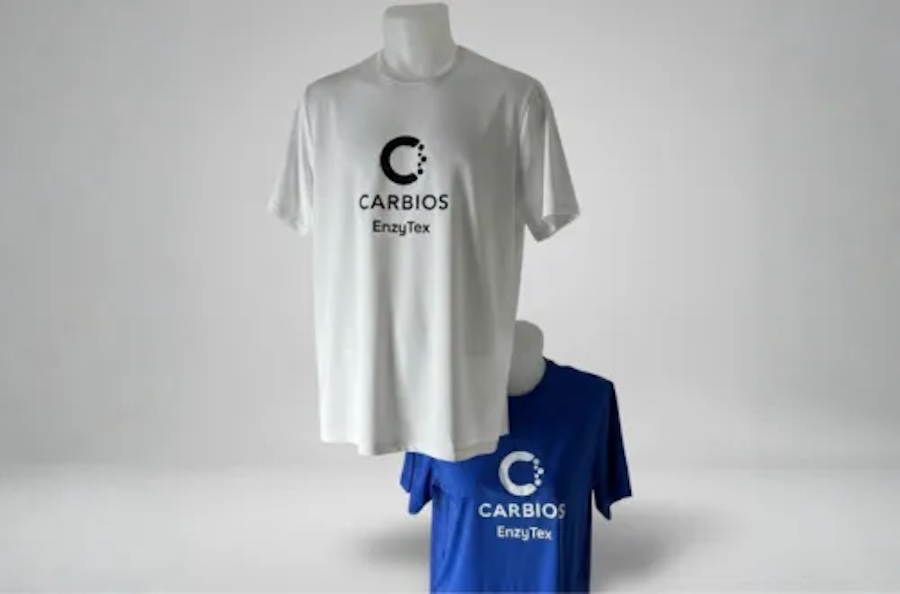
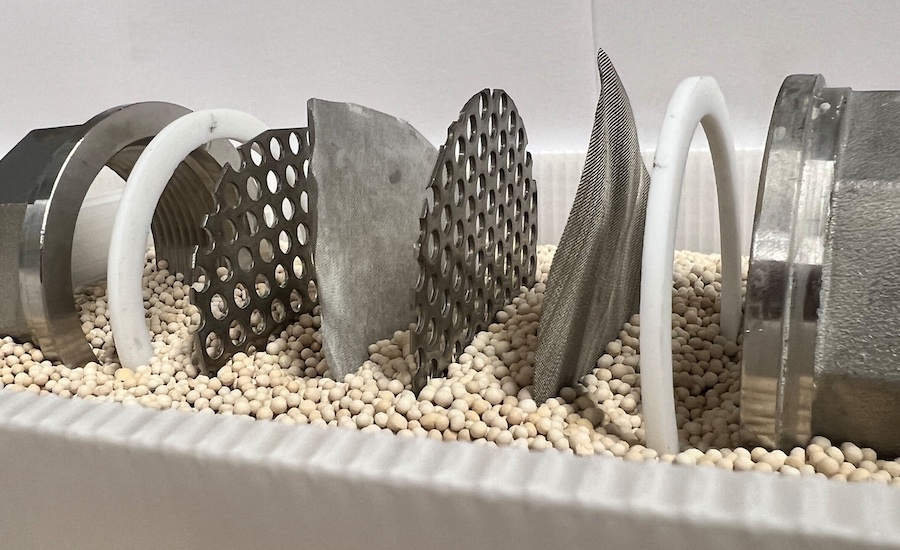
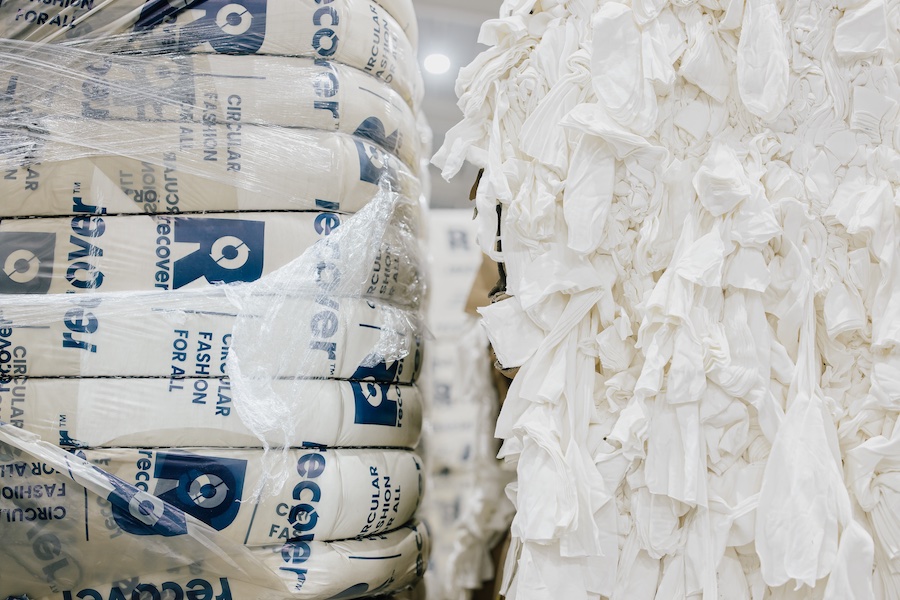
CARBIOS' technology enables PET circularity and provides an alternative raw material to petro-sourced monomers, allowing PET producers, waste management companies, public entities, and brands to have an efficient solution to meet regulatory requirements and fulfill their own sustainability commitments. The plant will have a processing capacity of 50,000 tons of post-consumer PET waste per year (equivalent to 2 billion colored PET bottles, 2.5 billion PET trays, or 300 million T-shirts) and will address waste with little or no value to date such as colored PET bottles, food trays, and textiles. The plant will create 150 direct and indirect jobs in the region. In October 2023, CARBIOS obtained the building and site operating permits. The plant is currently under construction in Longlaville in the Grand-Est Region on land officially acquired from Indorama Ventures on 14 February 2024.

More News from CARBIOS

#Recycled Fibers

Carbios and Fiber-to-Fiber Consortium validate recycled polyester production from complex waste

Carbios has announced the successful production of high-quality recycled polyester T-shirts made from complex textile and plastic waste on European industrial manufacturing lines, in collaboration with Fiber-to-Fiber Consortium members Patagonia, PUMA and Salomon.

#Recycled Fibers

Carbios and Wankai postpone startup of China’s first PET biorecycling plant to 2028

The industrial deployment of enzymatic PET recycling in Asia is progressing, but at a slower pace than initially planned. French recycling technology company Carbios and its Chinese partner Wankai New Materials have announced that the commissioning of their planned PET biorecycling facility in Haining, Zhejiang Province, has been postponed and is now expected in the first half of 2028.

#Recycling / Circular Economy

Carbios confirms Longlaville plant in France following financing progress

Carbios has reaffirmed its plans to build its Longlaville plant in France within a project financing framework, targeting the start of production in the first half of 2028. The company also reports a solid cash position of around €60 million at the end of 2025 and has appointed Benoît Grenot as Deputy Chief Executive Officer to support the execution of its strategic projects.

#Recycled Fibers

CARBIOS and Wankai sign strategic PET biorecycling pact

CARBIOS (Euronext Growth Paris: ALCRB) and Wankai New Materials (“Wankai”), a listed subsidiary of Zhink Group, the 3rd largest PET producer in China and 4th worldwide, announce the signing of the definitive agreement establishing a strategic partnership for the industrial rollout of CARBIOS’s PET biorecycling technology in Asia. The first milestone will be the construction of a PET biorecycling plant in China.

More News on Recycling / Circular Economy

#Recycling / Circular Economy

DITF establishes CYCLOTEXUM recycling center to advance mechanical and solvent-based textile recycling

As part of the CYCLOTEXUM research project, the German Institutes of Textile and Fiber Research Denkendorf (DITF) established the CYCLOTEXUM recycling center. There, in collaboration with industry partners, the center develops application-oriented solutions for mechanical and solvent-based recycling processes. The technologies developed make a significant contribution along the textile value chain toward the efficient use of textile resources in the future and the transition of production in the German textile sector to a circular economy. The project was funded by the Ministry for the Environment, Climate and Energy Sector of the State of Baden-Württemberg.

#Recycled Fibers

Recover and SUPIMA partner to develop recycled Pima cotton fibers and yarns

Recover and SUPIMA have partnered to turn waste from SUPIMA cotton production into a new line of recycled fibers and yarns. The collaboration will explore how recycled American-grown Pima cotton can be used in a wider range of yarns and garments for the premium market.

#Recycling / Circular Economy

ReSpin founder Åsa Strandberg receives Innovation Champion of the Year 2026 award

Åsa Strandberg, founder and CEO of Swedish textile recycling company ReSpin AB, has been named Innovation Champion of the Year 2026. The award recognises her development of RespinJenny, a patented technology designed to recycle textile waste into new, high-quality fibres without using water, chemicals or additional virgin raw materials. The distinction was presented by the Olle Oscarsson Foundation and Axera Inkubator at Guldgalan in Sweden.

#Recycling / Circular Economy

Circulose resumes recycling of discarded cotton textiles and appoints interim CEO

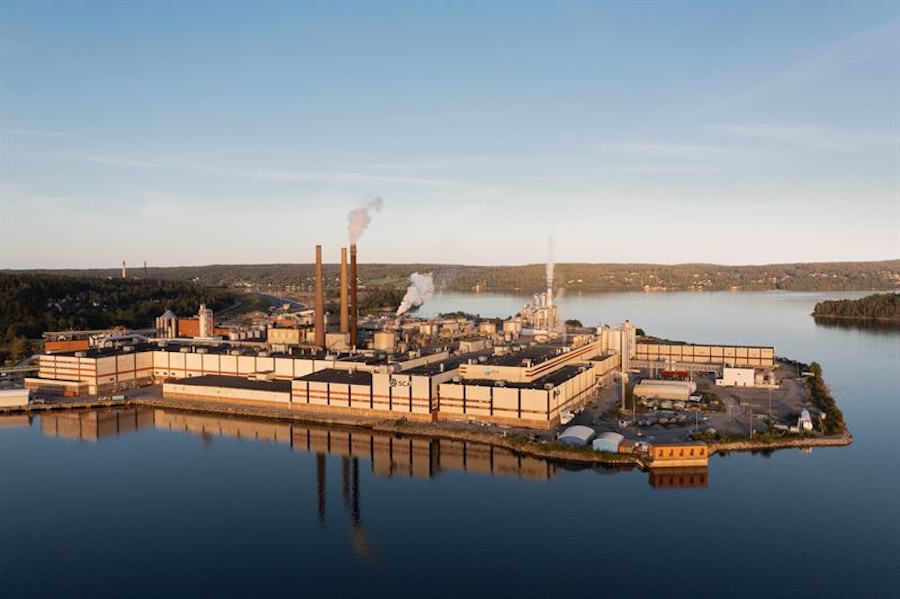
Circulose today announced its restart of commercial-scale production plant at Ortviken in Sundsvall, Sweden, marking a significant step in scaling next-generation materials for the global fashion industry. The Ortviken plant is the world’s first commercial-scale chemical textile recycling facility. Its restart demonstrates that the fashion industry is seeking ways to scale proven solutions that move beyond pilots and into commercial production.

Latest News

#Textile processing

Jeanologia combines digitalisation, laser and ozone technology to strengthen China’s textile competitiveness

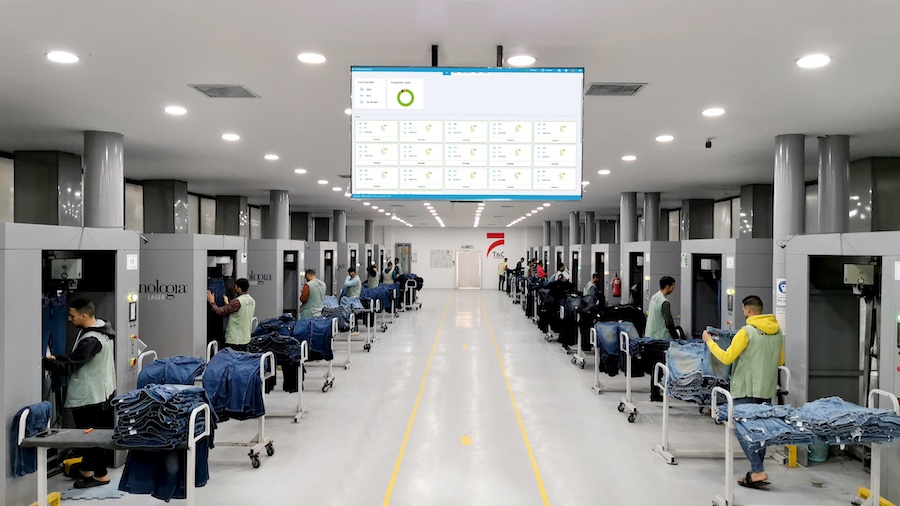
At ITMA Asia + CITME 2026 in Shanghai, Jeanologia showcased how the combination of digitalisation, laser technology and G2 Ozone can help China’s textile industry improve productivity, speed, quality and efficiency. With its Compact Super Flash laser system and integrated production concepts, the Spanish technology specialist demonstrated how connecting product development and industrial production can enable faster, more automated and sustainable manufacturing processes.

#Textile chemistry

Flame protection and OEKO-TEX® certification: Gulec Chemicals clears an important hurdle

Three halogen-free flame retardants from German specialist Gulec Chemicals have been included in the OEKO-TEX® list of accepted Active Chemical Products (ACP). The listing opens up additional opportunities for textile finishers, coaters and manufacturers of technical textiles seeking to combine demanding fire protection requirements with certification according to OEKO-TEX® STANDARD 100.

#Dyeing, Drying, Finishing

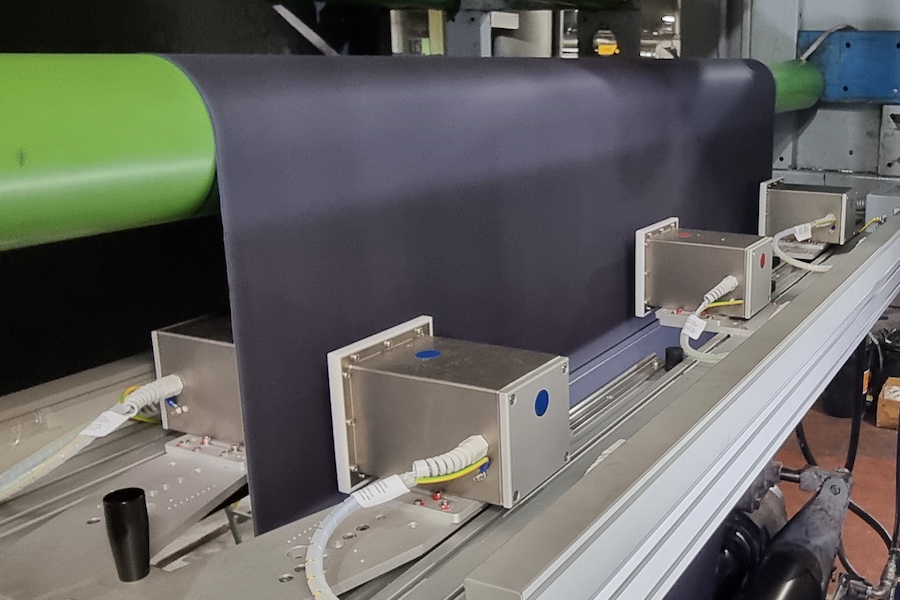
PLEVA improves dyeing consistency with inline microwave measurement of liquor pick-up

Consistent shades are essential in continuous textile dyeing. Yet variations in fabric absorbency or uneven padder pressure can go unnoticed until the end of the line. By then, hundreds of metres of fabric may already be affected and may become second-choice or rejected.

#ITMA 2027

CEMATEX outlines future exhibition strategy for ITMA 2027 and ITMA ASIA Singapore 2029 at ITMA NEXT

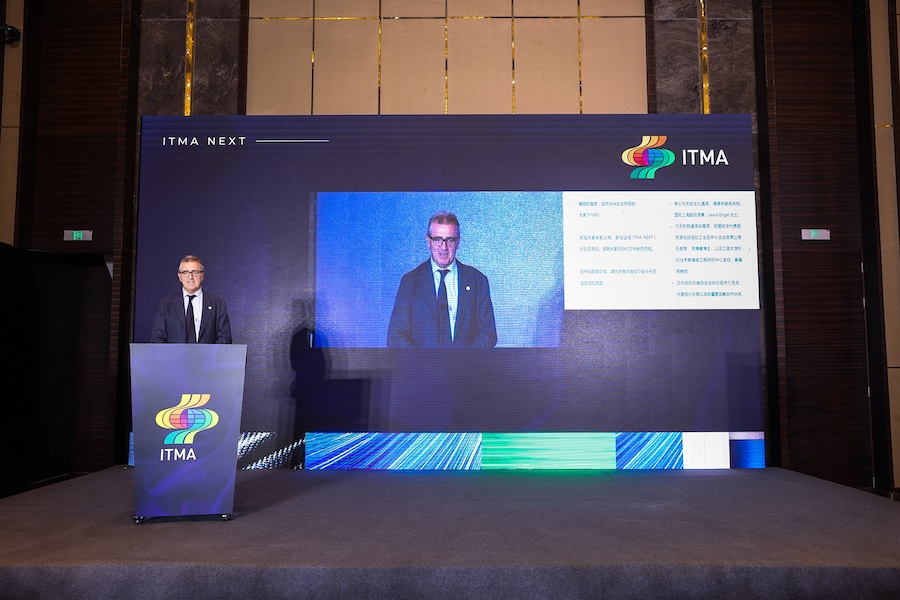
At the ITMA NEXT | Industry Networking event on 22 November in Shanghai, CEMATEX unveiled its plan for ITMA ASIA Singapore 2029, marking a new chapter under its sole organisation and management. CEMATEX also highlighted exciting initiatives for ITMA 2027, inviting the global textile and garment technology community to convene in Hanover to discover breakthrough innovations, exchange insights and forge partnerships that will shape the future of textiles.

TOP