[pageLogInLogOut]

#Recycling / Circular Economy

ANDRITZ, Nouvelles Fibres Textiles and Pellenc ST enter partnership for an innovative approach in textile recycling

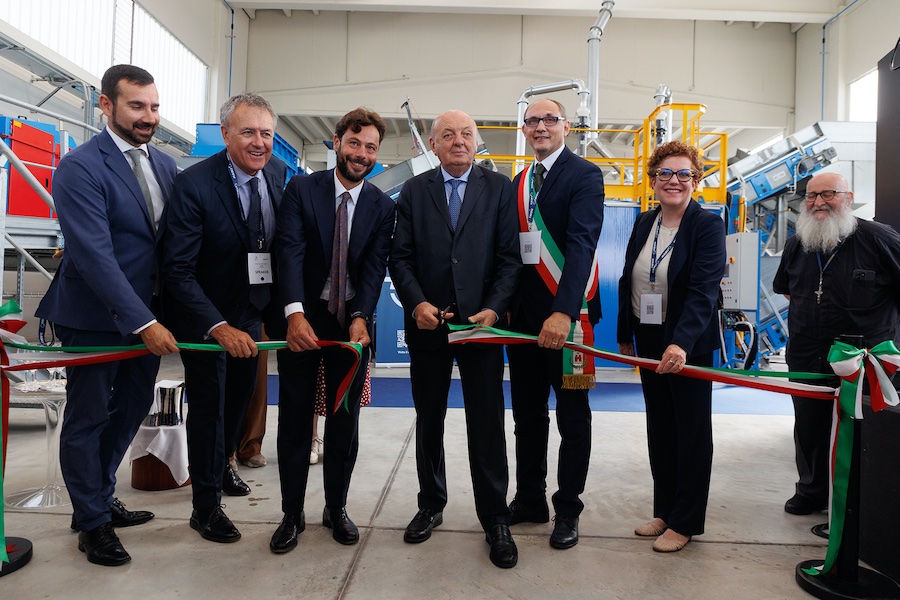
International technology group ANDRITZ entered an ambitious partnership with Pellenc ST and Nouvelles Fibres Textiles to set up the very first industrial-scale automatic textile sorting line in France combining automated sorting and recycling technology.

New ANDRITZ partnership sets a major milestone in industrial-scale recycling technology for textile circularity.

The partners have expert knowledge from decades of experience in sorting technologies (Pellenc ST), textile machinery and processes (ANDRITZ), as well as post-consumer textile value chains from sorting to manufacturing (Nouvelles Fibres Textiles newly founded by Les Tissages de Charlieu and Synergies TLC). 

Nouvelles Fibres Textiles circular and sustainable ecosystem with ANDRITZ technological solutions © ANDRITZ


The new textile sorting line being built is the first to combine Pellenc ST's automated sorting technologies with ANDRITZ’s recycling technologies. It will process post-consumer textile wastes to produce recycled fiber engineered for the spinning, nonwoven and composite industries. Starting operations in mid-2023, it will serve as a production line for Nouvelles Fibres Textiles, as an R&D line for the three partners, and as a test and demonstration center for their customers.

Nouvelles Fibres Textiles aims to become a reference in both industrial grade material production and industrial scale post-consumer textile sorting, thanks to innovative technologies with hard point removal providing pure fibers, selective colors, and differentiated fiber types.

Nouvelles Fibres Textiles’ partners also work closely together in R&D at the ANDRITZ Laroche and Pellenc ST technical centers to keep pushing technical boundaries.


Eric Boël, President, Nouvelles Fibres Textiles, comments: “We are very proud to announce the launch of the Nouvelles Fibres Textiles partnership. Several years of R&D involving key players from both textile and household waste management industries made this possible. We all shared our knowledge and expertise to promote on-the-ground circularity for textiles by full integration of the value chain. This guarantees traceability of recycled materials, mitigates the textile and composites industries’ environmental impacts and reduces their carbon footprint while creating meaningful jobs.”

More News from Andritz Küsters GmbH

More News on Recycling / Circular Economy

#Recycling / Circular Economy

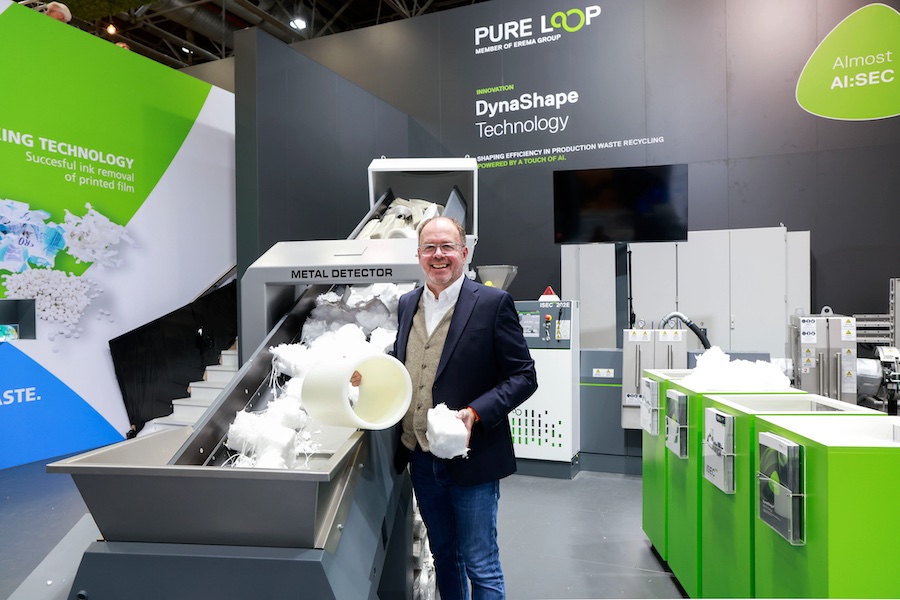
PURE LOOP's DynaShape® automation increases recycling productivity by up to ten percent

The intelligent automation solution for the ISEC evo recycling machine automatically adjusts operating parameters to changing input materials, improving throughput, melt quality and process stability while reducing operator workload.

#Recycling / Circular Economy

From textile waste to spinning-grade fiber: STADLER Group engineers integrated sorting solution for IGERS in Italy

As technology partner, STADLER worked alongside IGERS on its new plant in San Pietro Mosezzo, Novara, from the first process discussions to the final layout – integrating key treatment equipment into one system and supplying the fully automated sorting line. Together, the two companies have taken IGERS' patented textile recycling process from vision to industrial reality.

#Recycled Fibers

Toray develops Polyester-Nylon fiber containing at least 93% recycled material by mass

Toray Industries, Inc., announced today that it has developed a polyester-nylon fiber with at least 93% recycled content by mass, based on the total weight of the raw yarn. This percentage applies to the newly developed raw yarn and does not represent the recycled content of the finished fabric or garment.

#Recycling / Circular Economy

Canopy shifts focus towards recycling and traceability in updated Hot Button criteria

Environmental non-profit organisation Canopy has introduced revised criteria for its annual Hot Button Report, which evaluates producers of man-made cellulosic fibres (MMCFs), including viscose, lyocell and acetate. The updated framework places greater emphasis on scaling alternative fibre sources, improving supply chain traceability and supporting forest conservation, while maintaining responsible sourcing as a central requirement.

Latest News

TOP