[pageLogInLogOut]

#Recycling / Circular Economy

Circular Polymers by Ascend to feature portfolio of recycled feedstocks and compounds at Plastics Recycling Conference

Circular Polymers by Ascend, a market leading recycler of post-consumer fibers, will exhibit its line of recycled polymer feedstocks at the Plastics Recycling Conference. Ascend Performance Materials, majority owner of Circular Polymers by Ascend, will be in attendance as well, with representatives on hand to introduce the ReDefyne™ line of high-performance recycled compounded polymers.

Circular Polymers by Ascend converts post-consumer carpet into fiber and pellets. The company uses a proprietary process in its California-based facilities to achieve unparalleled efficiency in recycling, successfully providing a new life for PET, polypropylene, nylon 66, nylon 6 and calcium carbonate. The company has redirected 85 million pounds of waste from landfills into new goods since 2018.

“As the global demand for reliable recycled feedstocks climbs, we are proud to give a second life to millions of pounds of carpet waste that previously would have been dumped in landfills,” said David Bender, CEO of Circular Polymers by Ascend. “We look forward to partnering with other industry leaders, innovators and policymakers at the Plastics Recycling Conference to explore even more solutions to achieving circularity.”

ReDefyne, which Ascend launched in October, is a portfolio of sustainable polyamides created with up to 100% pre- and post-consumer recycled polyamide 66 or 6 to provide a low carbon footprint and reliable performance, even in demanding applications.

“Our commitment to circularity allows us to offer sustainable nylon compounds with certified recycled content designed to meet challenging specifications,” said Prasad Taranekar, Ascend Performance Materials’ director of the ReDefyne business. “And customers can rely on a security of supply because of our unique position of being vertically integrated to ensure consistent quality sustainable feedstocks, both post-consumer through Circular Polymers by Ascend and our own pre-consumer materials.”


Ascend, a fully integrated producer of durable materials, has a sustainability strategy based on three pillars: empowering people, innovating solutions and operating without compromise. Ascend has committed to reducing its greenhouse gas emissions by 80% by 2030 and recently announced two new efforts to reduce the carbon footprint of its products.

Circular Polymers’ industry recognition includes the Plastic Industry Sustainability Innovation award, Innovation Showcase award from the Association of Plastic Recyclers, Arrow award from the California Product Stewardship Council and Processor of the Year award from the Carpet America Recovery Effort.

The Plastics Recycling Conference, which begins today and runs through Wednesday in National Harbor, Maryland, attracts more than 2,000 industry leaders to its exhibit hall, panel discussions and networking opportunities. Circular Polymers by Ascend will be in booth 615.


More News from TEXDATA International

#Digital Printing

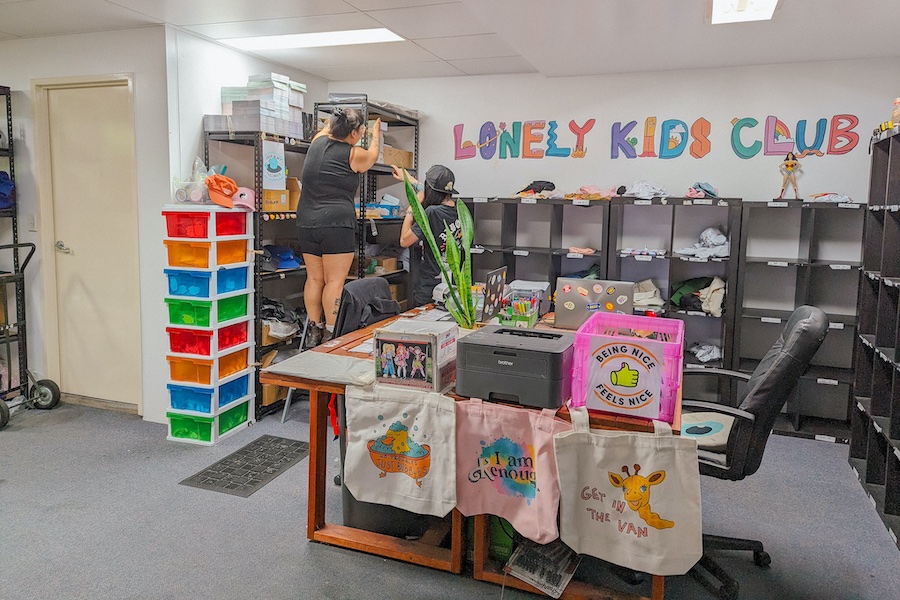
From a bedroom startup to 3,000 designs: How Lonely Kids Club built its business with DTG printing

Founded in Sydney in 2011, independent clothing label Lonely Kids Club has grown from a bedroom startup into a business offering around 3,000 graphic T-shirt designs. With its own production studio, direct-to-garment printing and a demand-driven manufacturing model, the company demonstrates how smaller apparel brands can combine creative independence with flexible production – while navigating the everyday challenges of quality control, workflow efficiency and sustainability.

#India ITME 2026

India’s textile industry: Current position, growth targets and industrial development

With ambitious export targets, major investments in manufacturing infrastructure and new international trade agreements, India is pursuing a comprehensive development strategy for its textile and apparel industry. An overview of the industry’s current position, government initiatives, progress achieved and challenges ahead.

#Weaving

“A complex design is only useful if the machine can reproduce it consistently”

Andreas Schnabel, Head of R&D for Technical Weaving Systems at Stäubli, discusses how 3D weaving can create textile reinforcements tailored to the loads within a composite component, where near-net-shape weaving can reduce processing steps and material waste, and what it takes to produce complex structures reliably and economically. He also explains how manufacturers can adapt Stäubli’s modular TF weaving platforms to new applications and how the company’s centre of excellence in Bayreuth supports the transition from research to industrial production.

#India ITME 2026

India ITME 2026: Textile technology meets India's investment ambitions

With ambitious growth targets, government incentive programmes and industrial development initiatives already underway, India is preparing for the next stage of its textile transformation. Against this backdrop, the 12th India ITME, taking place in Greater Noida from 4 to 9 December 2026, arrives at a particularly important moment for machinery manufacturers and textile producers alike.

More News on Recycling / Circular Economy

#Recycling / Circular Economy

DITF establishes CYCLOTEXUM recycling center to advance mechanical and solvent-based textile recycling

As part of the CYCLOTEXUM research project, the German Institutes of Textile and Fiber Research Denkendorf (DITF) established the CYCLOTEXUM recycling center. There, in collaboration with industry partners, the center develops application-oriented solutions for mechanical and solvent-based recycling processes. The technologies developed make a significant contribution along the textile value chain toward the efficient use of textile resources in the future and the transition of production in the German textile sector to a circular economy. The project was funded by the Ministry for the Environment, Climate and Energy Sector of the State of Baden-Württemberg.

#Recycled Fibers

Recover and SUPIMA partner to develop recycled Pima cotton fibers and yarns

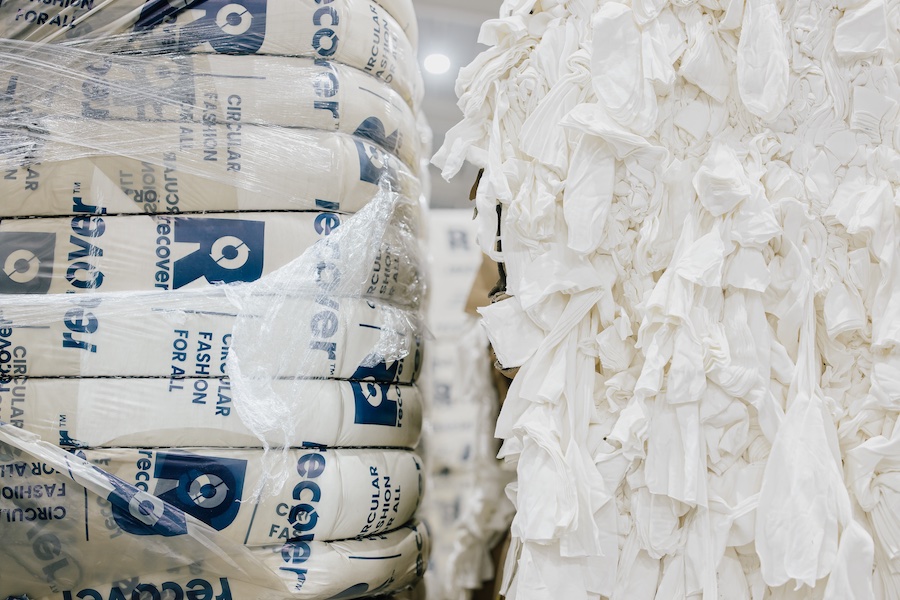
Recover and SUPIMA have partnered to turn waste from SUPIMA cotton production into a new line of recycled fibers and yarns. The collaboration will explore how recycled American-grown Pima cotton can be used in a wider range of yarns and garments for the premium market.

#Recycling / Circular Economy

ReSpin founder Åsa Strandberg receives Innovation Champion of the Year 2026 award

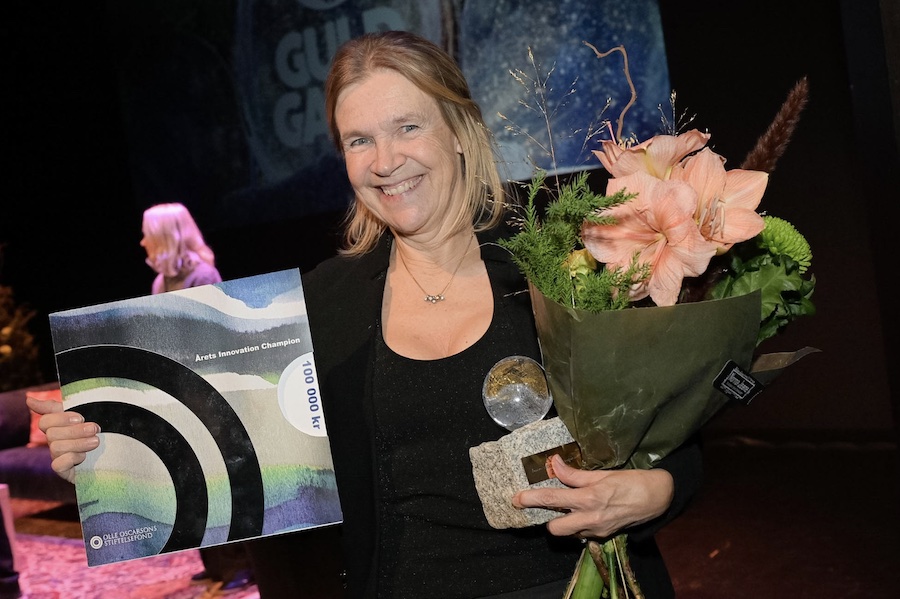
Åsa Strandberg, founder and CEO of Swedish textile recycling company ReSpin AB, has been named Innovation Champion of the Year 2026. The award recognises her development of RespinJenny, a patented technology designed to recycle textile waste into new, high-quality fibres without using water, chemicals or additional virgin raw materials. The distinction was presented by the Olle Oscarsson Foundation and Axera Inkubator at Guldgalan in Sweden.

#Recycling / Circular Economy

Circulose resumes recycling of discarded cotton textiles and appoints interim CEO

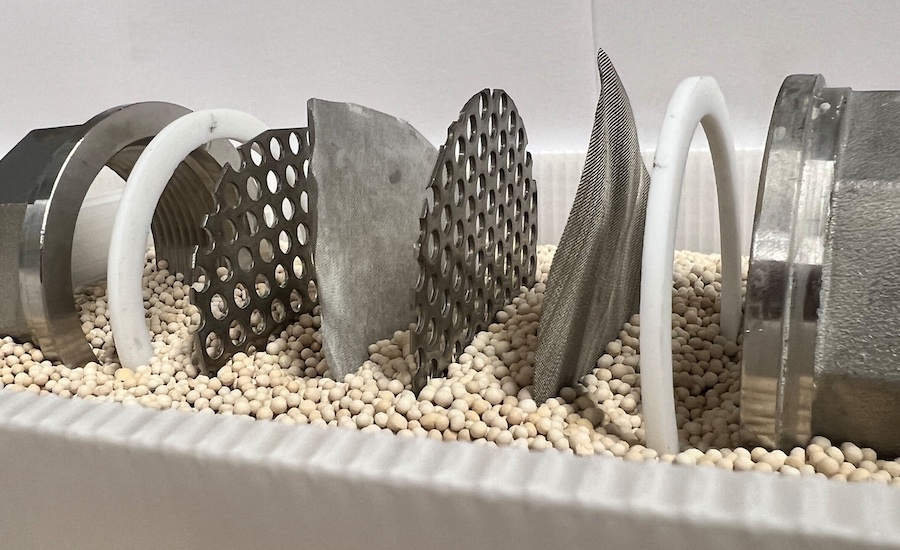
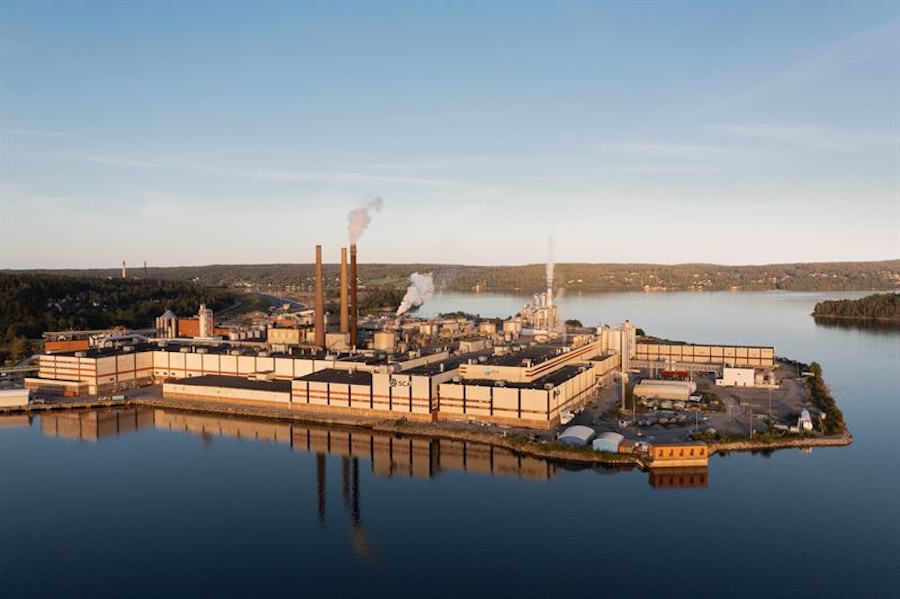
Circulose today announced its restart of commercial-scale production plant at Ortviken in Sundsvall, Sweden, marking a significant step in scaling next-generation materials for the global fashion industry. The Ortviken plant is the world’s first commercial-scale chemical textile recycling facility. Its restart demonstrates that the fashion industry is seeking ways to scale proven solutions that move beyond pilots and into commercial production.

Latest News

#Textile processing

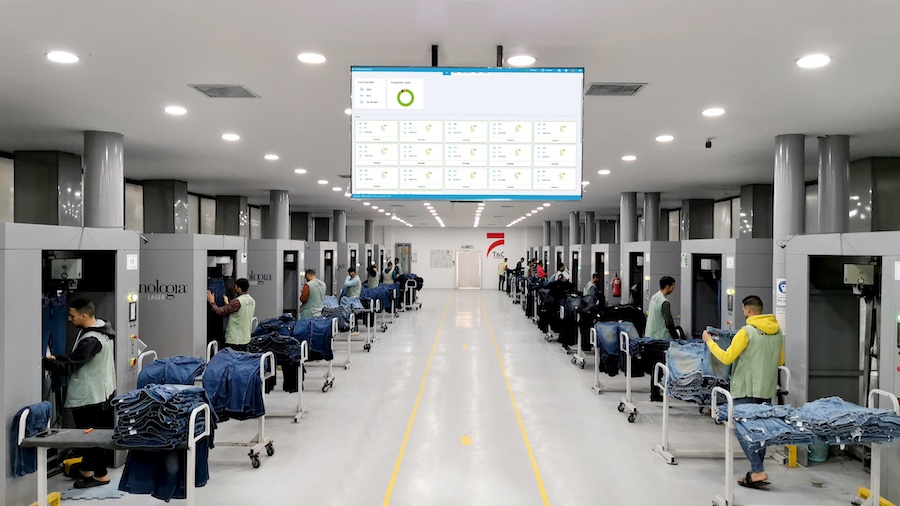
Jeanologia combines digitalisation, laser and ozone technology to strengthen China’s textile competitiveness

At ITMA Asia + CITME 2026 in Shanghai, Jeanologia showcased how the combination of digitalisation, laser technology and G2 Ozone can help China’s textile industry improve productivity, speed, quality and efficiency. With its Compact Super Flash laser system and integrated production concepts, the Spanish technology specialist demonstrated how connecting product development and industrial production can enable faster, more automated and sustainable manufacturing processes.

#Textile chemistry

Flame protection and OEKO-TEX® certification: Gulec Chemicals clears an important hurdle

Three halogen-free flame retardants from German specialist Gulec Chemicals have been included in the OEKO-TEX® list of accepted Active Chemical Products (ACP). The listing opens up additional opportunities for textile finishers, coaters and manufacturers of technical textiles seeking to combine demanding fire protection requirements with certification according to OEKO-TEX® STANDARD 100.

#Dyeing, Drying, Finishing

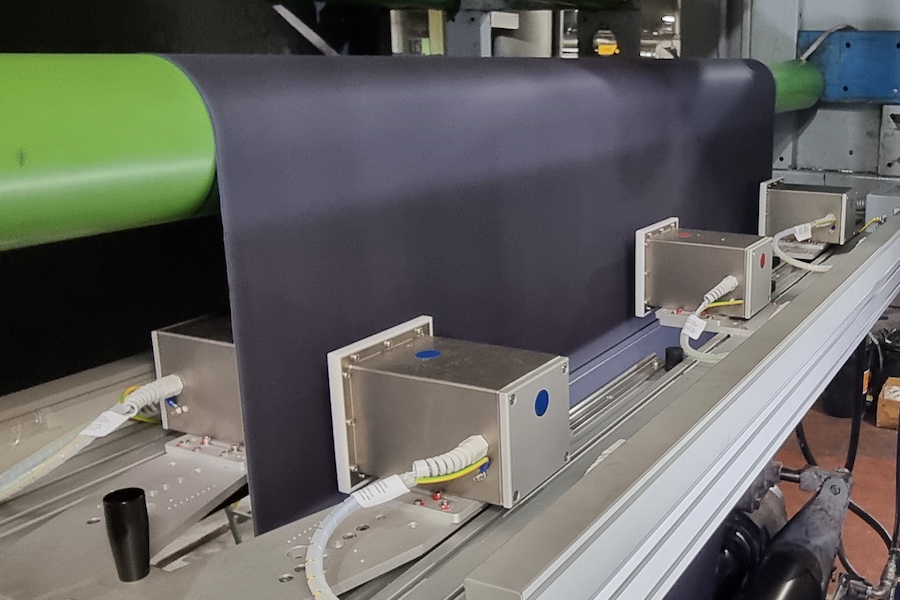
PLEVA improves dyeing consistency with inline microwave measurement of liquor pick-up

Consistent shades are essential in continuous textile dyeing. Yet variations in fabric absorbency or uneven padder pressure can go unnoticed until the end of the line. By then, hundreds of metres of fabric may already be affected and may become second-choice or rejected.

#ITMA 2027

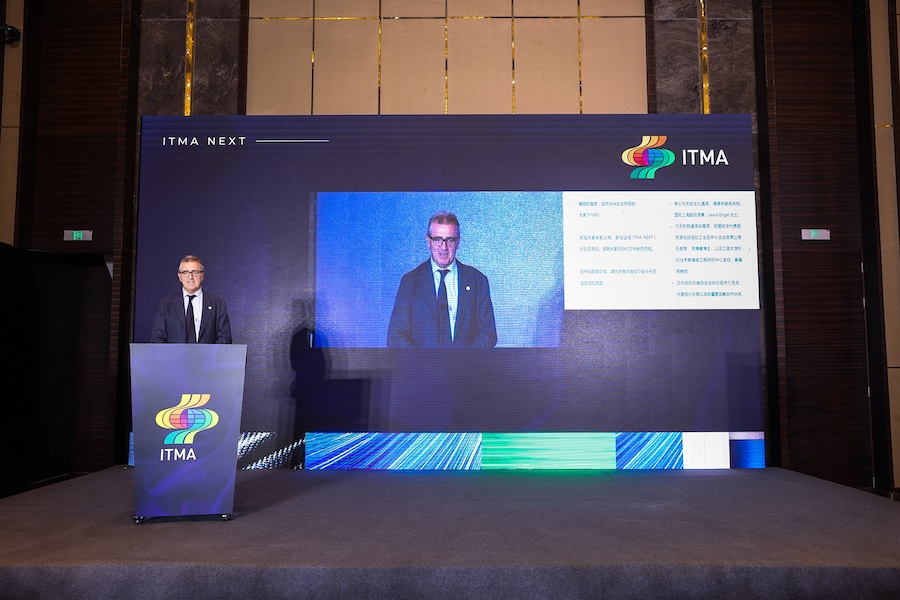
CEMATEX outlines future exhibition strategy for ITMA 2027 and ITMA ASIA Singapore 2029 at ITMA NEXT

At the ITMA NEXT | Industry Networking event on 22 November in Shanghai, CEMATEX unveiled its plan for ITMA ASIA Singapore 2029, marking a new chapter under its sole organisation and management. CEMATEX also highlighted exciting initiatives for ITMA 2027, inviting the global textile and garment technology community to convene in Hanover to discover breakthrough innovations, exchange insights and forge partnerships that will shape the future of textiles.

TOP