[pageLogInLogOut]

#Raw Materials

The quality assurance provided by machine testing adds value for all cotton value chain members

The value of cotton lint is largely determined by its quality characteristics, and as a result, any ambiguity about the accuracy of that quality erodes the price that the fiber can command in the marketplace.
That was the overarching theme of the three presenters in "Cotton Classification: A Vehicle for Standardization of Trading Practices," the Fifth Breakout Session at the International Cotton Advisory Committee's (ICAC) 73rd Plenary Meeting.

Moses Bujaga of Wakefield Inspection Services discussed Kenya and Mozambique's joint initiative to establish a national cotton classing system, with 100% sampling and high-volume instrument (HVI) testing of cotton. Once fully implemented, the additional quality assurance and transparency it offers would add value to the fiber and increase farmers' income.

Given that the combined number of cotton farmers in the two countries exceeds 450,000, the potential for economic gains and a higher quality of life can't be overstated. But he emphasized that machine is not merely about improvement, it's about survival, adding that "100% instrument testing of cotton can possibly be delayed, but it is not avoidable."

James Knowlton of the USDA's Cotton Program agreed that instrument testing of cotton is "here to stay, because you will never maximize the value of cotton with hand-classing." He said that buyers are willing to pay a premium of several cents per pound in exchange for the quality assurance provided by machine testing.

Equally important, he added, is what HVI testing can do to help make cotton more attractive relative to competing fibers. "Instrument results add utility value to the cotton, and that's critical in the competition against synthetic fibers," he said. "When textile mills select bales, they need consistency. Hand classing is not sufficient to provide that for today's high-speed, modern textile mills."

Dr. Mohammed Kasem Darawsheh of the Hellenic Agricultural Organization closed the session by emphasizing that the impact of 100% machine testing would be felt by all stakeholders involved in the cotton trade. "The viability of the entire cotton chain is dependent on the effectiveness of the fiber in its end use," he said. "Consequently, all sectors -- producers, ginners, distributors and tradesmen -- should provide the end user with a raw material that has known quality parameters."
More News from International Cotton Advisory Committee (ICAC)

#Natural Fibers

ICAC to collaborate with Uzbekistan and Bizpando on regenerative agriculture

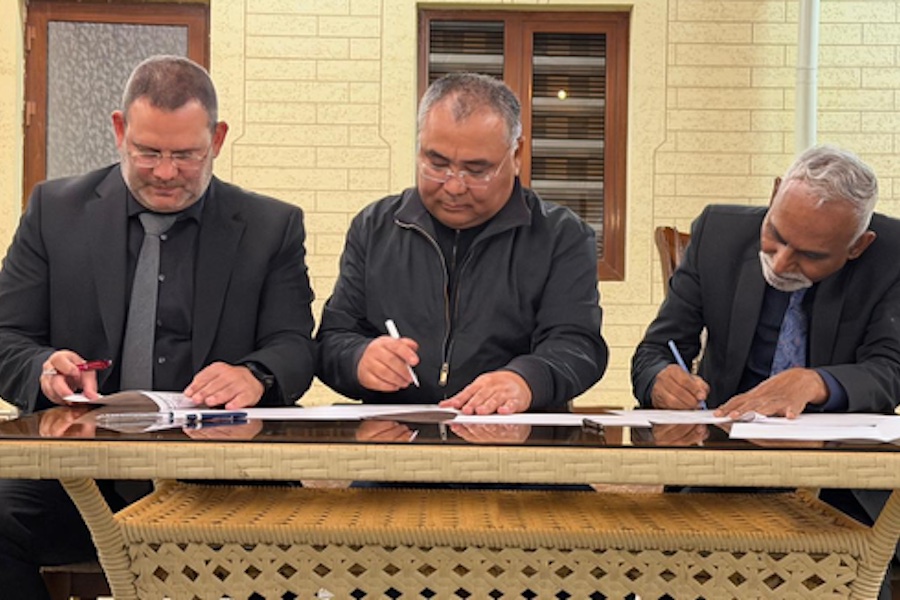
The Government of Uzbekistan has allocated 55,000 hectares of land to implement a regenerative agriculture program for cotton as part of a collaborative project with the International Cotton Advisory Committee (ICAC) and Bizpando, a company with a a blockchain-based internet platform designed to ensure supply chain compliance.

#Natural Fibers

Bangladesh becomes World's largest importer in 2024/25 after China cuts imports by 65% to 1.1 million tonnes

As we prepare to turn the calendar on 2025, world cotton lint production currently is estimated to be about 25.4 million tonnes — roughly the same as the last season — surpassing the world cotton lint consumption by 392,000 tonnes.

#Natural Fibers

ICAC announces postponement of the 83rd Plenary Meeting in Tanzania

Due to unforeseen circumstances arising from the recent developments in Tanzania, the ICAC has announced that its upcoming 83rd Plenary Meeting has been postponed. Scheduled for Nov. 17-20 in Mwanza, the delay was recommended by Tanzania, and the decision was made out of an abundance of caution, prioritizing the safety and well-being of all participants.

#Natural Fibers

World Cotton Trade declined 4.1% in 2024/25, according to ICAC's 2025 World Cotton Trade Report

Washington, DC — The International Cotton Advisory Committee (ICAC) has released the 2025 World Cotton Trade Report, which covers trade developments in raw cotton since 1980. An annual publication, it provides analysis of world trade by region; import/export projections by country; matrices of trade flows; and seasonal estimates of export commitments to date.

More News on Raw Materials

#Natural Fibers

Human Rights Day: Cotton made in Africa reinforces its commitment to ensuring respect for human rights in cotton production

The sustainable cotton standard Cotton made in Africa (CmiA) has always focussed on respect for human rights, including by prohibiting child labour and discrimination. With the new version of the CmiA standard coming into force, AbTF raises requirements for due diligence in the areas of human rights and risk management.

#Research & Development

How innovations drive BASF’s success

“Innovation has always been part of BASF’s DNA. Especially in these volatile times, it is crucial to leverage our innovative strength to develop competitive solutions that differentiate us as a company in our markets and give us a competitive edge,” said Dr. Stephan Kothrade, Member of the Board of Executive Directors of BASF and Chief Technology Officer, at the company’s Research Press Briefing held today. To achieve this, BASF implemented its “Winning Ways” strategy about a year ago with the clear goal of becoming the preferred chemical company to enable its customers’ green transformation.

#Natural Fibers

38th International Cotton Conference Bremen launches registration and unveils key topics

Participants can now register online for the 38th International Cotton Conference Bremen, which will be held on 25-27 March 2026 at the Haus der Bürgerschaft parliament building on market square. All visitors can look forward to a high-calibre conference programme, numerous additional meetings and a valuable exchange of knowledge and information. The comprehensive range of topics covering the entire value chain will provide practical expertise, address current developments, answer key industry questions, and provide new impetus for the future.

#Natural Fibers

BCI warns against ‘dangerous dilution’ of EU corporate directives

The approval of the European Commission’s Omnibus I proposal by the European Parliament’s Committee on Legal Affairs, accepting controversial changes to key sustainability directives is of great concern. These changes, namely to the Corporate Sustainability Reporting Directive (CSRD) and the Corporate Sustainability Due Diligence Directive (CSDDD), threaten to significantly dilute business reporting and due diligence obligations.

Latest News

#Spinning

First PA66 spinning plant with EvoQuench successfully commissioned

With the successful commissioning of a multi-digit PA66 spinning line for microfiber yarns, Chinese textile company Shandong Nanshan Fashion Technology Co., Ltd. has added yarn production to its textile value chain.

#Knitting & Hosiery

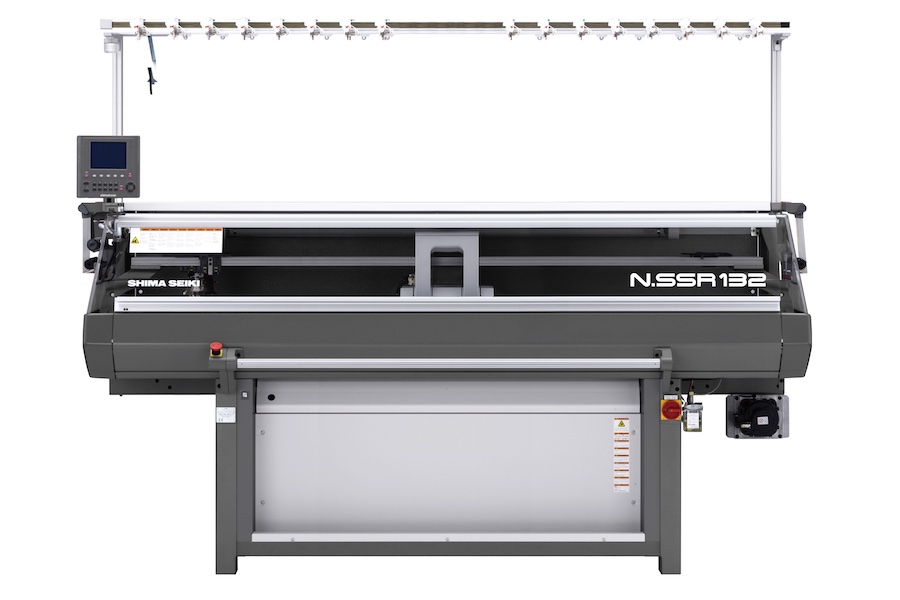
SHIMA SEIKI returns to ShanghaiTex

Leading flat knitting solutions provider SHIMA SEIKI MFG., LTD. of Wakayama, Japan, together with its Hong Kong and Chinese market subsidiary SHIMA SEIKI (HONG KONG) LTD., will exhibit at the ShanghaiTex 2025 exhibition (Booth No.: Hall N3, Booth A20) held in Shanghai, China this month. This marks the return of SHIMA SEIKI to ShanghaiTex after a 14-year hiatus, its last exhibit at the show having been in 2011.

#Research & Development

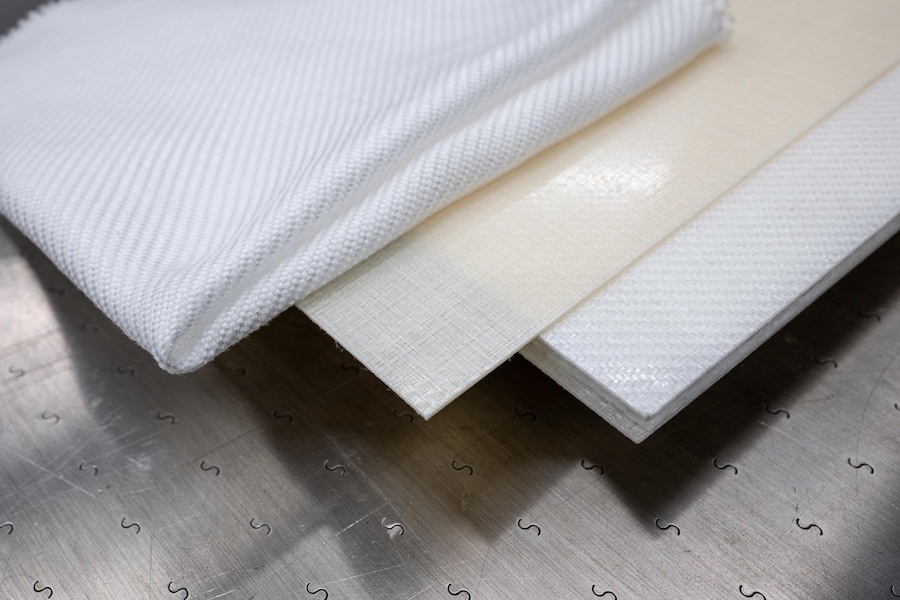
Fraunhofer CCPE presents the “Monomaterial Design Set” – Innovative solutions for circular product design

Composite materials made from different types of plastic often extend the lifetime of products but make recycling more difficult in the circular economy. That is why Fraunhofer CCPE has developed the “Monomaterial Design Set”. This new approach helps to reduce the variety of plastics used in durable products and offers circular solutions for designers and product developers.

#Man-Made Fibers

arena introduces renewable LYCRA® EcoMade fiber in its latest swimwear collection

Italian swimwear specialist arena has unveiled a new collection that brings sustainability and performance even closer together. Launched on December 4, the line features swimsuits made from recycled nylon and renewable LYCRA® EcoMade fiber — the first time the bio-based spandex has been used commercially in swimwear.

TOP