[pageLogInLogOut]

#Nonwovens / Technical Textiles

Recypur successfully starts up a complete airlay line delivered by ANDRITZ for its mill in L’Alcúdia, Spain
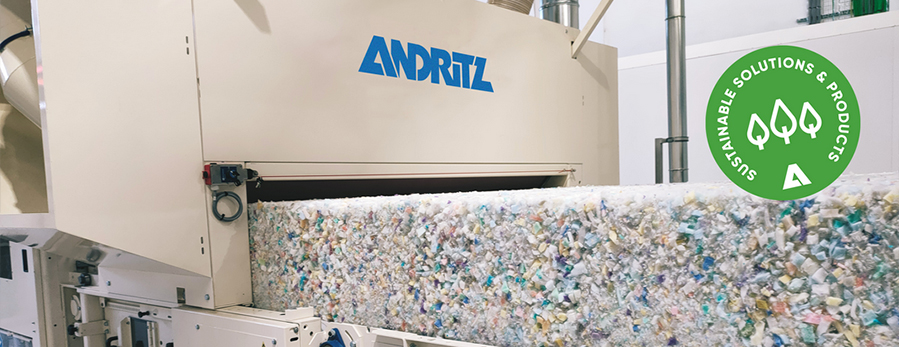
Perfect foam made from 100% recycled foam waste for mattress and sofas © ANDRITZ
Recypur Eco SL in L'Alcúdia, Spain, has successfully started up a complete airlay line delivered, installed and commissioned by international technology group ANDRITZ.

The airlay line is designed for recycling of post-industrial and post-consumer foam and was developed specifically for the bedding and furniture industry, with material heights reaching 20 cm and densities of up to 120 kg/m3. Experimental tests carried out together with experts from ANDRITZ Laroche led to the conclusion that the mechanical method for recycling polyurethane is the most versatile and reliable.

With a capacity of 1.2 t/h, this airlay line enables Recypur to supply new mattresses made of industrial & post-consumer foam waste from old mattresses. This well proven process allows to reduce the environmental impact, increase self-sufficiency and eventually reduce the use of polyurethane.

Such a set-up also allows multiple functional materials to be incorporated into the blend, such as flame-retardant, conductive and insulating fibers, among others. Thanks to this tailored approach, Recypur is now able to expand its diversification, innovation and reputation on the Spanish market.

The scope of supply includes a blending line with five feeders, an Exel 1500 for fine opening, an Airlay Flexiloft+ with 2.20 m working width, a recycling machine and an oven.

Airlay lines strongly support the circular economy and are part of ANDRITZ’s comprehensive product portfolio of sustainable solutions that help customers achieve their own sustainability goals in terms of climate and environmental protection.


Tomás Zamora, Innovation Director, Recypur, comments: “The treatment of waste being a major stake, we knew that we could rely on ANDRITZ’s high level of expertise. They have fully supported our R&D team in their technical center by using 100% of the foam coming from end-of-life mattresses and sofas. Thanks to this state-of-the-art new equipment, we have succeeded in finding the exact required solution for the mechanical recycling of mattresses. Now 250 kg of CO2 are saved for each ton manufactured by our company as compared to manufacturing with virgin polyurethane”.

Recypur, based in the Spanish province of Valencia, is part of DELAX, a Spanish group specialized in manufacturing and commercialization of innovative beds and mattresses. This company is the first Spanish manufacturer of recycled flexible polyurethane foam cores from post-consumer foam waste.
More News from Andritz Küsters GmbH

More News on Nonwovens / Technical Textiles

#ITMA Asia + CITME Singapore 2025

ANDRITZ sets focus on textile recycling and durable nonwoven production technologies at ITMA Asia 2025

International technology Group ANDRITZ will be presenting its innovative nonwovens production and textile solutions at ITMA ASIA + CITME 2025 in Singapore, from October 28 to 31, 2025 (Hall 2, D106). ANDRITZ will showcase its MMCF production plants, textile sorting and recycling, bast fiber processing, needlepunch, airlay, and life-cycle service technologies, with a focus on sustainable solutions. Discover how these innovations can grow your business opportunities and support a greener future.

#ITMA Asia + CITME Singapore 2025

Dilo Group at ITMA ASIA Singapore 2025

At ITMA ASIA Singapore, the Dilo Group will exhibit at Booth No. H2 – D202. Together with Kansan Materials, Izmir, the company will present its latest developments and looks forward to welcoming visitors to exchange ideas and explore innovations in needling technology.

#Nonwovens

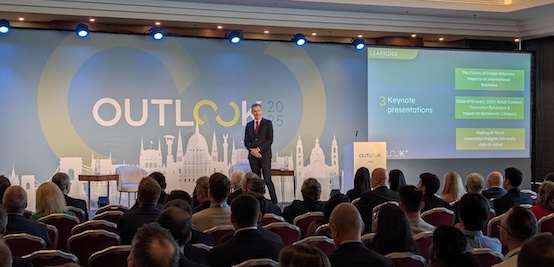
OUTLOOK™ 2025: Charting a sustainable and innovative future for the Nonwovens Industry

EDANA concluded its flagship event, OUTLOOK™ 2025, last week, marking it as a major success and addressing the biggest questions facing the industry. The three-day conference highlighted the urgent need for a unified approach to sustainability, regulation, and innovation in the absorbent hygiene and wipes sectors.

#Nonwovens

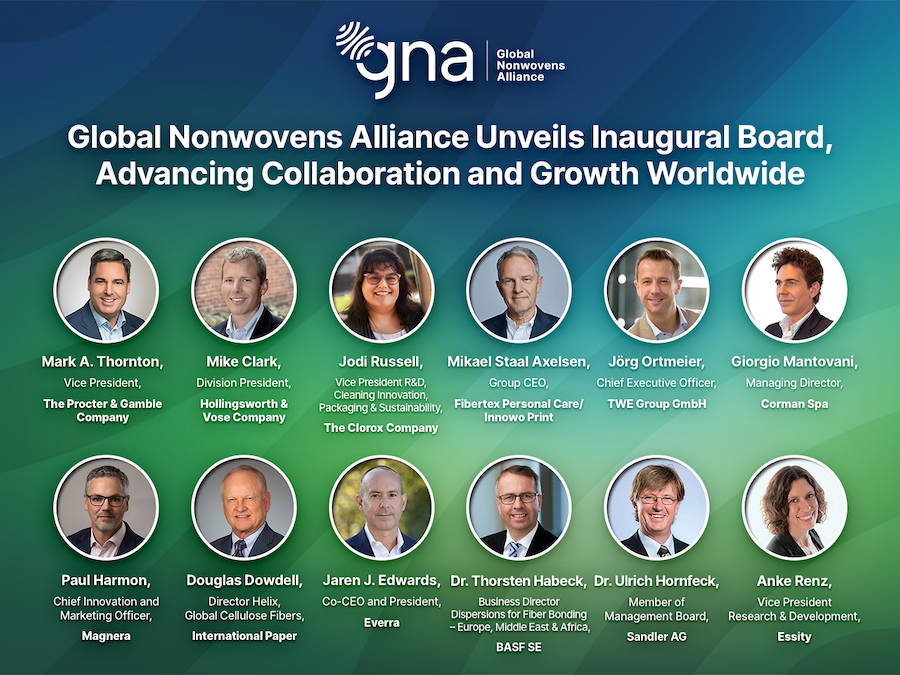
Global Nonwovens Alliance unveils Inaugural Board, advancing collaboration and growth worldwide

The Global Nonwovens Alliance (GNA), a tax-exempt federation jointly founded by INDA, the Association of the Nonwoven Fabrics Industry, and EDANA, the Voice of Nonwovens, announces the appointment of its founding Board of Directors. This group of leaders represents some of the most influential executives across the nonwovens value chain and reflects GNA’s mission to foster global collaboration, innovation, and growth in the industry.

Latest News

#Industry 4.0 / Digitalization

Coats Digital launches AI-powered GSD RealMotion for motion analysis

Coats Digital has launched GSD RealMotion, an AI-powered solution designed to provide apparel manufacturers with greater visibility into factory-floor operations. By analysing shop-floor video and applying Coats Digital’s GSD methodology, the solution turns video recordings into structured, motion-by-motion method studies.

#Textile chemistry

Archroma and Lameirinho partner in pioneering deployment of InOneGO single-step dyeing

Archroma, a global leader in specialty chemicals, and Lameirinho, a leading home textiles manufacturer based in Portugal, are collaborating to bring InOneGO by Archroma, a new single-step dyeing process, into commercial production. Lameirinho’s first InOneGo bedlinens collection is now available worldwide.

#Knitting & Hosiery

KARL MAYER launches extra-wide HKS 3-M EL for increased productivity

KARL MAYER has launched a new extra-wide version of its HKS 3-M EL tricot machine, designed to increase productivity particularly in the manufacture of textiles for sports, activewear and athleisure applications.

#Research & Development

Reducing development times for technical textiles by accelerated thermo-oxidative aging in a high-pressure autoclave

Synthetic polymers used in technical textiles can be effectively protected against degradation caused by heat, oxygen, and water through the use of stabilizer systems. This enables service lives of several decades, extending to more than 50 years. As the use of durable technical textiles continues to grow, so does the demand for reliable methods to predict their service life within economically feasible testing periods. For the first time the German Institutes of Textile and Fiber Research Denkendorf (DITF) developed methods for robust service life prediction for textiles in an IGF research project.

TOP