[pageLogInLogOut]

#ITMA Asia + CITME 2018

Reiners + Fürst presents latest TURBO rings and enhanced travellers at ITMA Asia 2018
(c) 2018 Reiners + Fürst
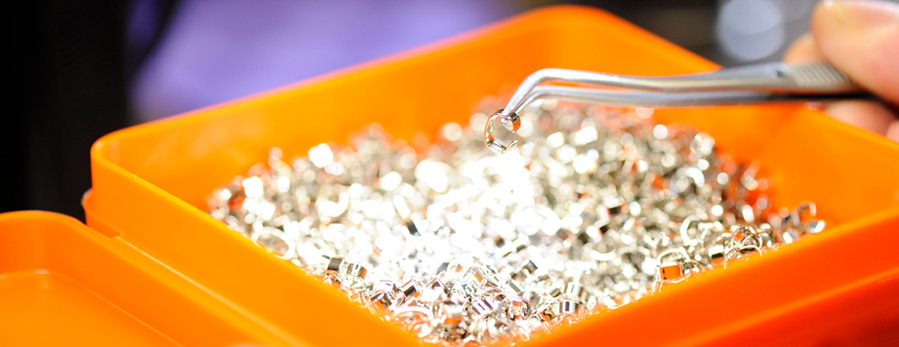
The latest generation of TURBO spinning rings provide excellent results especially for Compact and Siro-Compact yarns. Since the introduction of this further milestone by leading German ring and traveller manufacturer R+F more than 25 Mio units of TURBO rings have been installed and contribute to the customers’ success. The enhanced surface allows increasing machine efficiencies by up to 10% – especially when producing yarns of sensitive fibres or with highest spindle speeds.

Managing Director at R+F, Mr Benjamin Reiners said, “The new TURBO rings with benefits including low yarn hairiness, longer service life and increased machine efficiency by up to 10% are extremely beneficial for the demanding Chinese spinners.”

“We have been in the Chinese market since more than 25 years and R+F products are well accepted by the textile industry. We are overwhelmed by the positive feedback for TURBO rings by Chinese spinners,” Mr Reiners added.

At ITMA Asia 2018 Reiners + Fürst will also present new ring travellers for 100% Viskose, as well as Modal, Micromodal und Tencel. The end-users benefit from low yarn hairiness and longer traveller service life.  
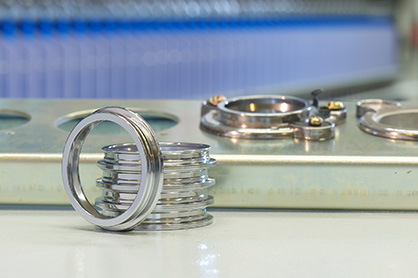
TURBO spinning rings  (c) 2018 Reiners + Fürst
TURBO spinning rings (c) 2018 Reiners + Fürst


(c) 2018 Reiners + Fürst


World-wide R+F customers achieve highest efficiencies of the ring frames benefitting from unique traveller surface treatments for optimized spinning conditions of each application. 

Customers especially value the professional service and support R+F is providing particularly for finding solutions of increasingly complex applications.

Visitors are invited to stop by at R+F’s booth at ITMA Asia:
H 1 – Stand D 10
More News from Reiners + Fürst GmbH u. Co. KG

More News on ITMA Asia + CITME 2018

Latest News

#Textile processing

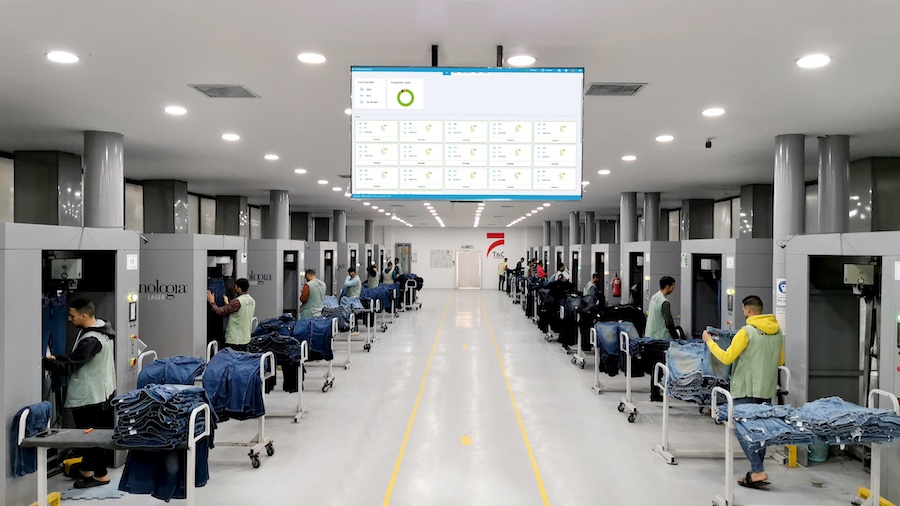
Jeanologia combines digitalisation, laser and ozone technology to strengthen China’s textile competitiveness

At ITMA Asia + CITME 2026 in Shanghai, Jeanologia showcased how the combination of digitalisation, laser technology and G2 Ozone can help China’s textile industry improve productivity, speed, quality and efficiency. With its Compact Super Flash laser system and integrated production concepts, the Spanish technology specialist demonstrated how connecting product development and industrial production can enable faster, more automated and sustainable manufacturing processes.

#Textile chemistry

Flame protection and OEKO-TEX® certification: Gulec Chemicals clears an important hurdle

Three halogen-free flame retardants from German specialist Gulec Chemicals have been included in the OEKO-TEX® list of accepted Active Chemical Products (ACP). The listing opens up additional opportunities for textile finishers, coaters and manufacturers of technical textiles seeking to combine demanding fire protection requirements with certification according to OEKO-TEX® STANDARD 100.

#Dyeing, Drying, Finishing

PLEVA improves dyeing consistency with inline microwave measurement of liquor pick-up

Consistent shades are essential in continuous textile dyeing. Yet variations in fabric absorbency or uneven padder pressure can go unnoticed until the end of the line. By then, hundreds of metres of fabric may already be affected and may become second-choice or rejected.

#Recycling / Circular Economy

DITF establishes CYCLOTEXUM recycling center to advance mechanical and solvent-based textile recycling

As part of the CYCLOTEXUM research project, the German Institutes of Textile and Fiber Research Denkendorf (DITF) established the CYCLOTEXUM recycling center. There, in collaboration with industry partners, the center develops application-oriented solutions for mechanical and solvent-based recycling processes. The technologies developed make a significant contribution along the textile value chain toward the efficient use of textile resources in the future and the transition of production in the German textile sector to a circular economy. The project was funded by the Ministry for the Environment, Climate and Energy Sector of the State of Baden-Württemberg.

TOP