[pageLogInLogOut]

#INDEX 23

CHT presents innovative fiber auxiliaries as well as coating solutions for nonwovens in Geneva
© 2023 SHUTTERSTOCK
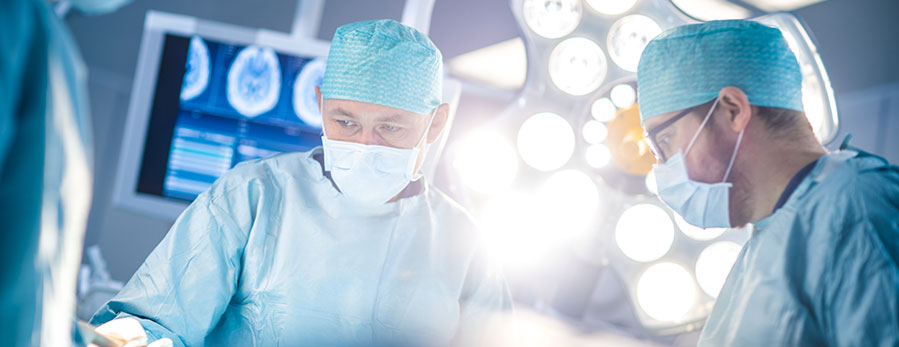
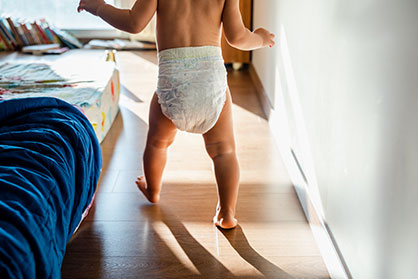
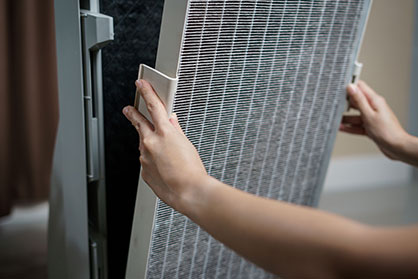
Nonwovens are ubiquitous in our daily life and society. We enjoy the benefits of those sophisticated and versatile textiles but we are often unaware of their presence. They can be found in baby diapers, crop covers, insulation, roofing, air and liquid filtration, gowns, drapes and plenty other different uses. With those end-use applications there is the need for high-end, efficient and innovative machineries with high production capacities to yield e.g. drylaid, spunlaid, meltblown, needlepunched, hydro-entangled and thermobonded nonwovens.
  • DURON fiber auxiliaries
  • TUBICOAT, TUBIGUARD coating products


We, as CHT, support the nonwoven industry by providing with our DURON fiber auxiliary range indispensable process agents and smart chemistry to functionalize nonwovens to meet the increasing machinery producers, market, customer and regulatory demands. Additionally, we consistently integrate aspects of sustainability into our actions. We understand future sustainability trends and derive appropriate measures for our business. Sustainability remains deeply anchored in our company strategy. Energy and climate protection, portfolio management, supply chain responsibility, staff commitment and resource efficiency as well as responsible production are the focal points of our sustainability management.

© 2023 SHUTTERSTOCK
© 2023 SHUTTERSTOCK


Our permanent hydrophilic products for fibers and nonwovens used in absorbent hygiene products offer softness, for comfortable wear, excellent transfer of the liquid from topsheet to the acquisition distribution layer and subsequently to the diaper core to guarantee a dry and healthy skin. Our products also support the need for long term hydrophilic performance, especially after storage, and the upcoming demand for biobased raw materials.


Circular economy represents a very important driver of new innovative product developments. CHT is increasingly developing product solutions that can be declared as unmixed with the finished goods and thus do not interfere with the recycling process.
© 2023 SHUTTERSTOCK
© 2023 SHUTTERSTOCK


At index™23 in Geneva CHT Group presents from April 18 to 21 its versatile portfolio of fiber auxiliaries and coating products.

Come and visit us at our Booth 1259 and convince yourself of our innovative products. There we can also discuss your individual application profiles and present you our specific offer in the field of functionalization of textile materials.
© 2023 Getty Images
© 2023 Getty Images


More News from CHT Germany AG

#Textile chemistry

CHT Group introduces ARRISTAN 7220 for durable soft finishes on coloured and white textiles

The CHT Group has expanded its portfolio of textile finishing solutions with the introduction of ARRISTAN 7220, a non-ionic silicone microemulsion designed to deliver an exceptionally soft handle while maintaining high durability and process reliability.

#Textile chemistry

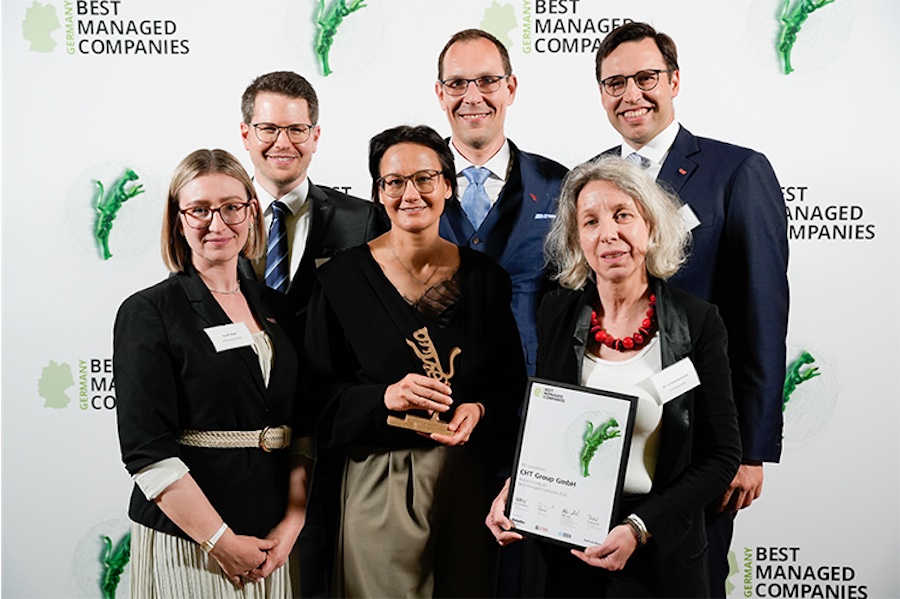
The CHT Group GmbH awarded Best Managed Company 2026

The CHT Group GmbH has been honored as Best Managed Company 2026. The seal of approval recognizes excellently managed medium-sized companies and is awarded as part of a program by Deloitte Private, UBS, the Frankfurter Allgemeine Zeitung, and the Federation of German Industries (BDI).

#INDEX 2026

CHT Group showcases innovative DURON fiber auxiliaries for nonwovens in Geneva

At booth 1259 at index™26 in Geneva from 19 to 22 May 2026, CHT Group will showcase its DURON fiber auxiliaries and other solutions for nonwovens.

#Techtextil 2026

CHT Group to showcase intelligent specialty chemical solutions at Techtextil 2026

At this year's Techtextil 2026 in Frankfurt am Main, the CHT Group will be presenting its comprehensive portfolio of tailor-made specialty chemicals and process solutions for technical textiles. As a reliable partner to the global textile industry, the company offers innovative products and in-depth technical expertise across all areas of the textile value chain – from pretreatment, dyeing, and printing to finishing, coating, and fiber auxiliaries.

More News on INDEX 23

Latest News

#Textile processing

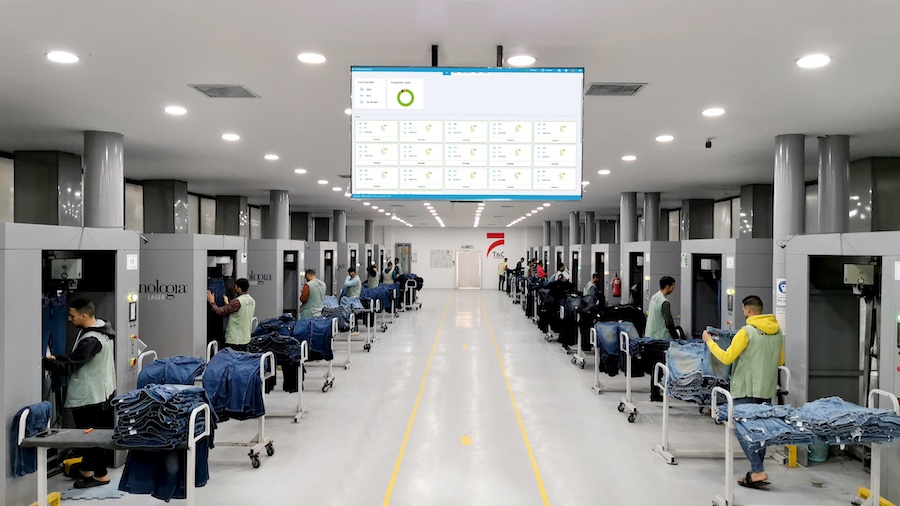
Jeanologia combines digitalisation, laser and ozone technology to strengthen China’s textile competitiveness

At ITMA Asia + CITME 2026 in Shanghai, Jeanologia showcased how the combination of digitalisation, laser technology and G2 Ozone can help China’s textile industry improve productivity, speed, quality and efficiency. With its Compact Super Flash laser system and integrated production concepts, the Spanish technology specialist demonstrated how connecting product development and industrial production can enable faster, more automated and sustainable manufacturing processes.

#Textile chemistry

Flame protection and OEKO-TEX® certification: Gulec Chemicals clears an important hurdle

Three halogen-free flame retardants from German specialist Gulec Chemicals have been included in the OEKO-TEX® list of accepted Active Chemical Products (ACP). The listing opens up additional opportunities for textile finishers, coaters and manufacturers of technical textiles seeking to combine demanding fire protection requirements with certification according to OEKO-TEX® STANDARD 100.

#Dyeing, Drying, Finishing

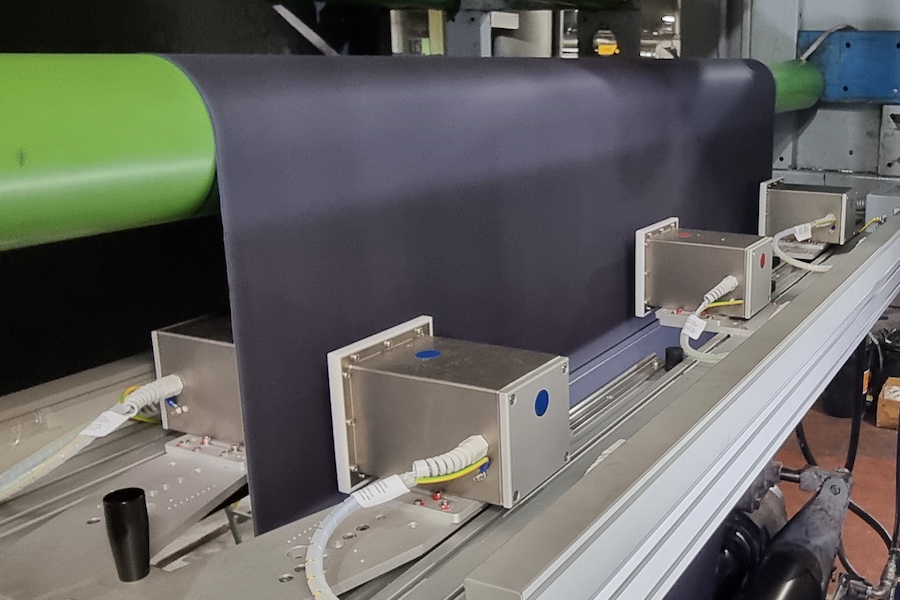
PLEVA improves dyeing consistency with inline microwave measurement of liquor pick-up

Consistent shades are essential in continuous textile dyeing. Yet variations in fabric absorbency or uneven padder pressure can go unnoticed until the end of the line. By then, hundreds of metres of fabric may already be affected and may become second-choice or rejected.

#Recycling / Circular Economy

DITF establishes CYCLOTEXUM recycling center to advance mechanical and solvent-based textile recycling

As part of the CYCLOTEXUM research project, the German Institutes of Textile and Fiber Research Denkendorf (DITF) established the CYCLOTEXUM recycling center. There, in collaboration with industry partners, the center develops application-oriented solutions for mechanical and solvent-based recycling processes. The technologies developed make a significant contribution along the textile value chain toward the efficient use of textile resources in the future and the transition of production in the German textile sector to a circular economy. The project was funded by the Ministry for the Environment, Climate and Energy Sector of the State of Baden-Württemberg.

TOP