[pageLogInLogOut]

#Denim

Jeanologia celebrates its 30th anniversary transforming how jeans are produced worldwide

Jeanologia celebrates its 30th anniversary reaffirming the mission it was born with in 1994, to transform the textile industry into a more sustainable, efficient, and human-centered sector. Three decades later, that vision has become a global reality. Today, more than 40 percent of all jeans produced worldwide are made using technologies developed by the Valencia-based company.

What started in a small laboratory in Valencia (Spain), with a pioneering team and a visionary idea, has evolved into a global benchmark in sustainable innovation. From the beginning, Jeanologia believed in technology as a driver of change, introducing solutions that eliminated harmful practices and opened the door to a new, cleaner way of making garments.

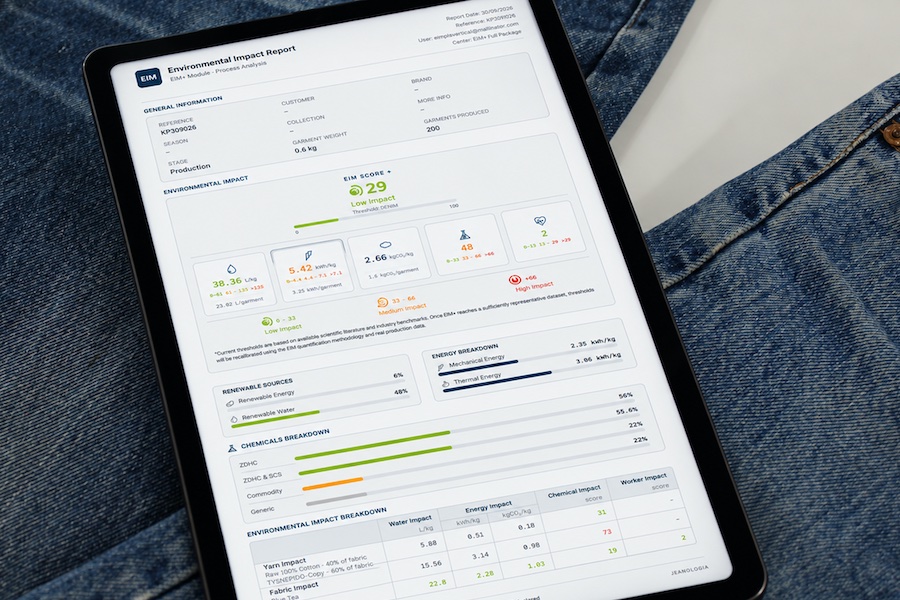
Throughout these 30 years, the company has led some of the most significant shifts in the industry. Its milestones include the introduction of laser for denim finishing, the industrial application of ozone, the development of eFlow to drastically reduce chemicals and resources, the H2Zero water-recycling system, the eDesigner digital platform and the EIM standard, which today drives transparency and impact measurement across the global supply chain.

This journey has democratized clean technologies and set the foundations for a more responsible production model. Jeanologia works closely with leading international brands and retailers, among them Levi’s, VF Corporation, Uniqlo, Gap, Inditex, American Eagle, Abercrombie & Fitch and Mango, as well as luxury fashion houses such as Chanel, Prada and Balenciaga, who rely on the company to achieve more creative, efficient and low-impact processes.

Beyond technology, the company highlights that its greatest contribution has always been its people. Today, 200 professionals form a multicultural team united by the same mission and passion, to prove that a different way of producing is possible. Their expertise, creativity and purpose have been key to building a global ecosystem based on collaboration.

Looking ahead, Jeanologia continues advancing toward its MissionZero vision, aiming to eliminate the environmental impact of garment finishing. The company is now preparing the next major shift by integrating artificial intelligence, robotization and advanced automation to develop smarter, more precise, and efficient processes. These technologies will bring production even closer to the designer, connect creativity with the factory in real time and enable brands to respond more accurately to consumer demand without generating overproduction.

Jeanologia will also continue leading solutions that protect one of the planet’s most valuable resources, water. From full recycling systems to new finishing methods with minimal consumption, the mission remains unchanged, to eliminate the water impact of textile production and accelerate the transition toward truly circular models.

“We are not just celebrating 30 years; we are celebrating three decades of real impact. We have proven that technology can transform the industry and make it more human, sustainable, and efficient. And this is just the beginning. Our commitment is to continue driving a production model connected to designers, creativity, and real consumer demand, applying AI, automation and solutions that protect essential resources like water,” says Carmen Silla, Global Marketing Director at Jeanologia.

Thirty years later, Jeanologia remains driven by the same passion it started with, now reinforced by the strength, knowledge, and vision of a global leader. Its purpose remains unchanged, to create a clean, creative, and future-ready textile industry. The best of Jeanologia is still to come.


© 2025 Jeanologia
© 2025 Jeanologia


More News from JEANOLOGIA S.L.

#Industry 4.0 / Digitalization

Jeanologia and BCome connect factory data with Life Cycle Assessment and Digital Product Passports

A new white paper by EIM by Jeanologia and BCome demonstrates how primary environmental data from denim finishing processes can be integrated into a garment's Life Cycle Assessment (LCA) and prepared for use in a Digital Product Passport (DPP). A comparative case study highlights significant improvements at the production stage while also showing how these translate into the environmental performance of the finished garment.

#Industry 4.0 / Digitalization

Jeanologia presents expanded EIM platform and COMMON GROUND collection at Kingpins Amsterdam

Jeanologia is presenting two approaches to textile product development at Kingpins Amsterdam on October 14–15: measuring the environmental impact of textile production and exploring new creative possibilities through garment finishing technologies.

#Industry 4.0 / Digitalization

EIM evolves into a new Environmental Intelligence to measure the impact of textile production

¿Do we really know the environmental impact behind a garment? Answering this question remains one of the textile industry’s major challenges. Garment production involves multiple stages, from yarn and fabric to final finishing, carried out by different players across the supply chain. Accesing reliable data from each process, connecting it and establishing a common language are essential to understanding a product’s true impact.

#Sustainability

Jeanologia Sustainability Report highlights environmental impact of textile technologies

Jeanologia has published its Sustainability Report 2025, reporting a 13.64% reduction in its own carbon footprint and quantifying the environmental impact associated with the use of its technologies across the global textile industry. According to the company’s calculations, their use avoided the pollution of 21.52 million m³ of water and emissions of approximately 103,530 tonnes of CO₂ compared with conventional textile finishing processes.

More News on Denim

#Recycling / Circular Economy

Blue Jeans Go Green celebrates 20 years of denim recycling with more than six million items collected

Cotton Incorporated is celebrating the 20th anniversary of its Blue Jeans Go Green™ denim recycling program. Since its launch in 2006, the initiative has collected more than six million denim items, diverted over 3,000 tons of textile waste from landfills and enabled the production of more than 12 million square feet of denim-based insulation. What began as a college campus collection drive has developed into a nationwide recycling initiative involving consumers, retailers, schools and community organisations across the United States.

#Denim

Inside the Making connects denim and sportswear supply chains at Ecomondo 2026

Six European companies are joining forces at Ecomondo 2026 in Rimini to demonstrate how different stages of denim and sportswear production are interconnected. The new initiative, Inside the Making, highlights the importance of cooperation across the textile supply chain in addressing sustainability challenges, from reducing resource consumption to improving transparency and the reliability of environmental claims.

#Denim

Catalyst Club connects fashion industry leaders and emerging talent at Kingpins Amsterdam

Following its debut in Florence, Catalyst Club hosted its second networking event during the Kingpins Show in Amsterdam, bringing together international fashion and denim industry representatives to exchange ideas, share experiences and explore new opportunities for collaboration.

#Denim

Wrangler introduces debris-repellent sherpa fleece technology Hay Away™

The patent-pending fabric technology prevents hay, straw, mulch and grass from clinging to high-pile fleece. The development received a category award in Fast Company's 2026 Innovation by Design Awards.

Latest News

#Recycling / Circular Economy

Circulose resumes recycling of discarded cotton textiles and appoints interim CEO

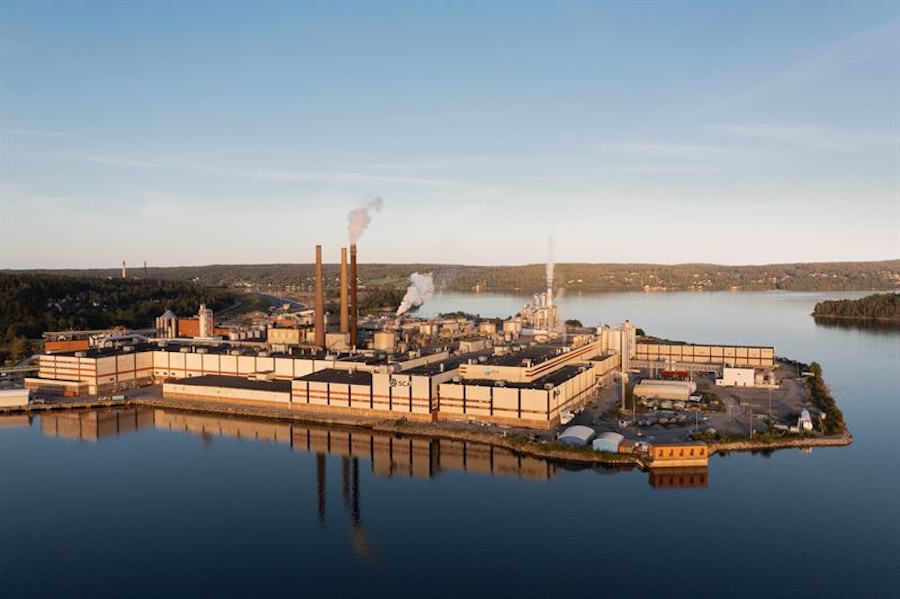
Circulose today announced its restart of commercial-scale production plant at Ortviken in Sundsvall, Sweden, marking a significant step in scaling next-generation materials for the global fashion industry. The Ortviken plant is the world’s first commercial-scale chemical textile recycling facility. Its restart demonstrates that the fashion industry is seeking ways to scale proven solutions that move beyond pilots and into commercial production.

#ITMA Asia + CITME 2026

Itema brings textile versatility to ITMA ASIA + CITME 2026

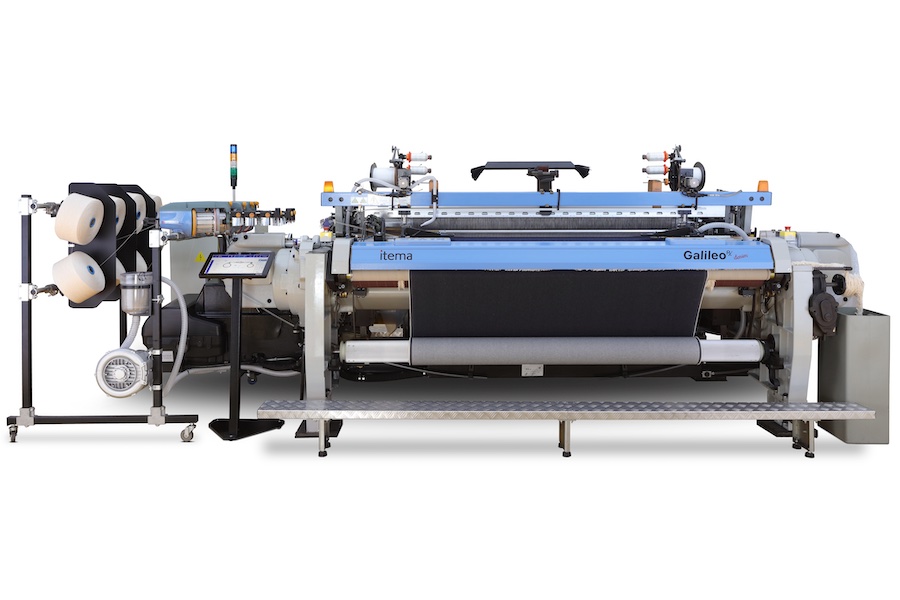
Itema announces its participation in ITMA ASIA + CITME 2026, taking place November 20–24 at the National Exhibition and Convention Center in Shanghai. In Hall 3 – Stand D06, the company will showcase two Galileo-RX rapier weaving machines weaving heavy denim and conveyor belt fabrics, demonstrating its ability to address different textile requirements with application-specific configurations. Five additional Itema machines at partner booths will extend the exhibition lineup to upper shoe fabric, label, Jacquard leno fabrics, and shirting, offering visitors a broader view of Itema rapier and air-jet weaving technologies.

#Dyeing, Drying, Finishing

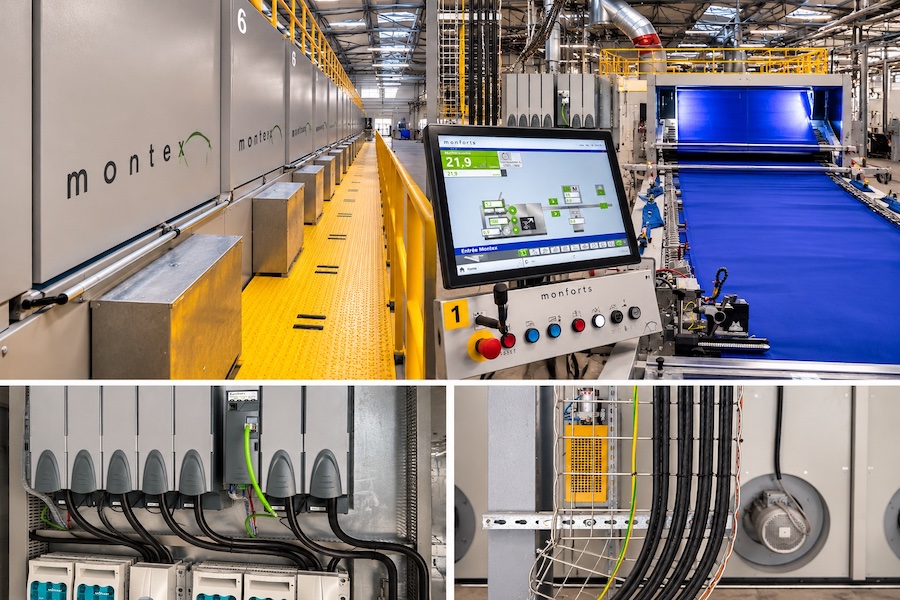
AEI reaps the benefits of all-electric new Monforts range

The impact of the rising cost of energy on the textile industry has been well documented, with some European countries paying up to seven times more to run their manufacturing operations than in other regions of the world.

#ITMA Asia + CITME 2026

Brückner showcases sustainable technologies for the future of textile finishing at ITMA ASIA 2026

With rising energy costs, increasing environmental requirements, and growing competitive pressure, textile manufacturers worldwide are facing the challenge of making their production processes both more sustainable and more cost-effective. As one of the world's leading specialists in textile finishing machinery, Brückner will present innovative solutions and advanced production technologies at ITMA ASIA 2026 in Shanghai. These technologies can play a key role in significantly reducing both energy consumption and emissions.

TOP