[pageLogInLogOut]

#Denim

ISKO’s Ctrl+Z material science – now bluesign® APPROVED

© 2023 ISKO
The leading denim ingredient brand and the full-service solutions system with a focus on sustainable chemistry have teamed up in a concerted effort to strengthen their partnership while promoting more sustainable textile production. The shared responsible values, top-class expertise and advanced sustainable innovations exhibited by the two companies continue with their newest venture.

ISKO has achieved the bluesign® APPROVED label for Ctrl+Z recycled denim fabrics containing no virgin cotton and only recycled and regenerated fibers that are made to be fully recyclable with the newest recycling technologies, enabling a fully circular system.

Ctrl+Z is ISKO’s latest innovation employing no virgin cotton, only recycled, and regenerated fibers: more durable, stronger, and now bluesign® APPROVED.

It is a credential that Bluesign grants only to bluesign® SYSTEM PARTNERs, including manufacturers, that meet the strict safety and environmental requirements of the bluesign® CRITERIA such as ensuring production sites are safe for workers, reducing CO2 emissions and water consumption, as well as avoiding hazardous substances in production among many others.

This label is one of the hardest sustainability credentials to achieve, by one of the most trusted independent authorities in the world. As such, it speaks to the level of transparency of ISKO’s products and to the sustainable and innovative approach that Ctrl+Z brings to the table and to production. Specifically, Ctrl+Z is material science that hits “undo” on post-industrial waste delivering fabrics made from recycled and regenerated content that look and feel identical to their former compositions with increased strength and durability.


“This is a great achievement for ISKO as we have been seriously investing from the very beginning to make our production, and the industry as a whole, more responsible, transparent, and ultimately sustainable. We are looking forward to this new partnership with Bluesign which keeps raising the bar of what is to be expected to make business better” states Ebru Özküçük, ISKO’s Head of Sustainability.

Daniel Rüfenacht, CEO of Bluesign adds: “The importance of developing recycled denim using responsible chemicals and processes cannot be underscored enough. The negative impacts of this section of the industry are well-documented. But ISKO’s continued focus on advancing innovations in denim textiles, while adhering to Bluesign’s high standards, demonstrates how partnerships can work holistically.”

More News from TEXDATA International

#Digital Printing

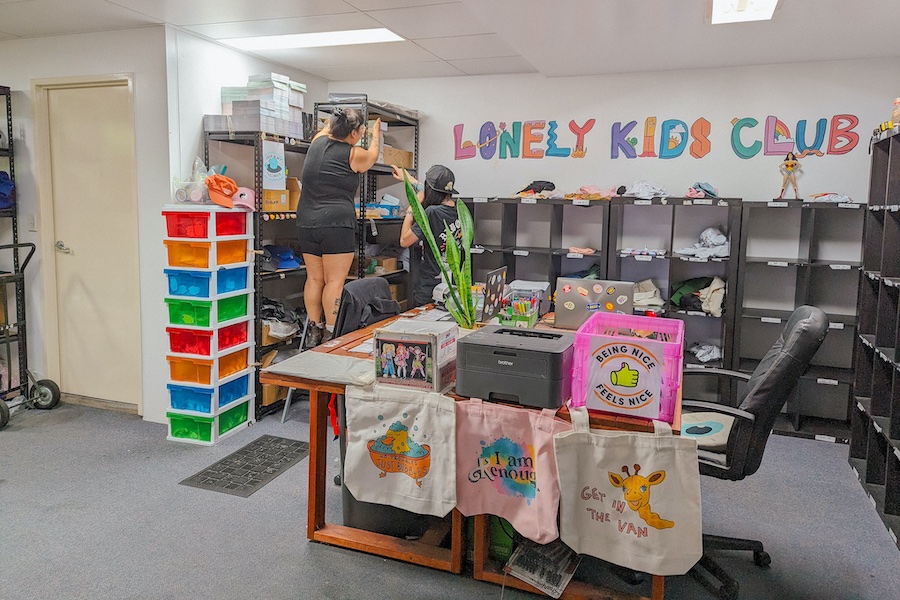
From a bedroom startup to 3,000 designs: How Lonely Kids Club built its business with DTG printing

Founded in Sydney in 2011, independent clothing label Lonely Kids Club has grown from a bedroom startup into a business offering around 3,000 graphic T-shirt designs. With its own production studio, direct-to-garment printing and a demand-driven manufacturing model, the company demonstrates how smaller apparel brands can combine creative independence with flexible production – while navigating the everyday challenges of quality control, workflow efficiency and sustainability.

#India ITME 2026

India’s textile industry: Current position, growth targets and industrial development

With ambitious export targets, major investments in manufacturing infrastructure and new international trade agreements, India is pursuing a comprehensive development strategy for its textile and apparel industry. An overview of the industry’s current position, government initiatives, progress achieved and challenges ahead.

#Weaving

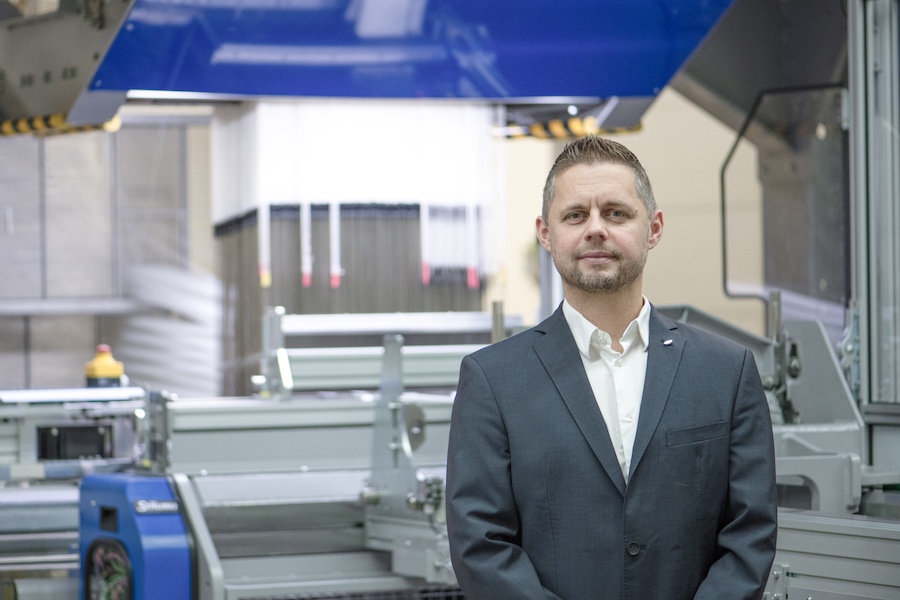
“A complex design is only useful if the machine can reproduce it consistently”

Andreas Schnabel, Head of R&D for Technical Weaving Systems at Stäubli, discusses how 3D weaving can create textile reinforcements tailored to the loads within a composite component, where near-net-shape weaving can reduce processing steps and material waste, and what it takes to produce complex structures reliably and economically. He also explains how manufacturers can adapt Stäubli’s modular TF weaving platforms to new applications and how the company’s centre of excellence in Bayreuth supports the transition from research to industrial production.

#India ITME 2026

India ITME 2026: Textile technology meets India's investment ambitions

With ambitious growth targets, government incentive programmes and industrial development initiatives already underway, India is preparing for the next stage of its textile transformation. Against this backdrop, the 12th India ITME, taking place in Greater Noida from 4 to 9 December 2026, arrives at a particularly important moment for machinery manufacturers and textile producers alike.

More News on Denim

#Textile processing

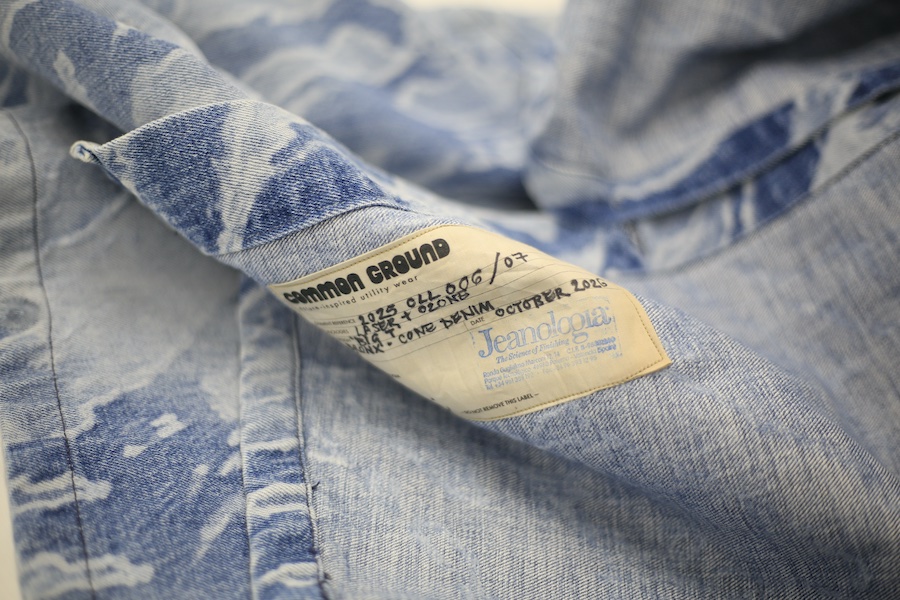
Jeanologia and Sue Barrett explore new interpretations of camouflage in COMMON GROUND

Jeanologia has collaborated with Sue Barrett, founder of Denim Forum, to create COMMON GROUND, a new denim collection that reinterprets camouflage through nature-inspired patterns, vintage garments and modern finishing technologies. Developed as part of Jeanologia’s Denim Métiers initiative, the project combines archival references and creative experimentation with laser and ozone technologies to explore new possibilities in contemporary denim design.

#Recycling / Circular Economy

Blue Jeans Go Green celebrates 20 years of denim recycling with more than six million items collected

Cotton Incorporated is celebrating the 20th anniversary of its Blue Jeans Go Green™ denim recycling program. Since its launch in 2006, the initiative has collected more than six million denim items, diverted over 3,000 tons of textile waste from landfills and enabled the production of more than 12 million square feet of denim-based insulation. What began as a college campus collection drive has developed into a nationwide recycling initiative involving consumers, retailers, schools and community organisations across the United States.

#Industry 4.0 / Digitalization

Jeanologia and BCome connect factory data with Life Cycle Assessment and Digital Product Passports

A new white paper by EIM by Jeanologia and BCome demonstrates how primary environmental data from denim finishing processes can be integrated into a garment's Life Cycle Assessment (LCA) and prepared for use in a Digital Product Passport (DPP). A comparative case study highlights significant improvements at the production stage while also showing how these translate into the environmental performance of the finished garment.

#Denim

Inside the Making connects denim and sportswear supply chains at Ecomondo 2026

Six European companies are joining forces at Ecomondo 2026 in Rimini to demonstrate how different stages of denim and sportswear production are interconnected. The new initiative, Inside the Making, highlights the importance of cooperation across the textile supply chain in addressing sustainability challenges, from reducing resource consumption to improving transparency and the reliability of environmental claims.

Latest News

#Associations

Christoph René Holler to succeed Uwe Mazura as managing director of textil+mode

Christoph René Holler will take over as managing director of textil+mode, the German textile and fashion industry confederation, on 1 January 2027. He succeeds Uwe Mazura, who has led the association for 13 years and will remain in charge of collective bargaining policy through the next round of negotiations before retiring.

#Heimtextil 2027

Heimtextil and The Florentin showcase the role of textiles in hotel design

Heimtextil has partnered with Frankfurt hotel The Florentin by Althoff Collection for its new Interior.Architecture.Hospitality campaign. The collaboration will give architects, interior designers and other contract-sector professionals a closer look at how textiles were used in the hotel. The two studios behind the project will discuss their work at Heimtextil on 14 January 2027 in Hall 4.1.

#EU Textile Strategy

EU Commission proposes advanced materials agenda with targets for 2035

The European Commission has proposed an Advanced Materials for Europe agenda to accelerate the development, production and adoption of safer and more sustainable advanced materials. The proposal sets three benchmarks for 2035 and calls for closer coordination among EU member states to help move new materials from the laboratory into industrial production.

#Research & Development

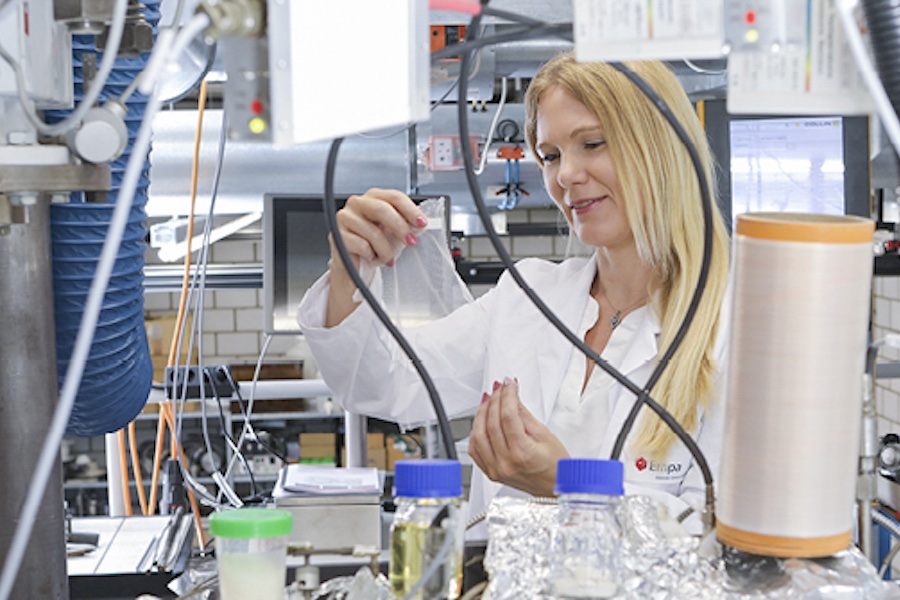
Empa develops liquid-core fibre for insecticide-treated mosquito nets

Empa researchers have developed a liquid-core fibre for mosquito nets that can incorporate insecticides unsuitable for conventional melt spinning. The fibre gradually releases the active ingredient through a polymer sheath. The team developed and tested the yarn over three years in the Innosuisse project MalCoFil with Swiss industry partners Vestergaard and Monosuisse.

TOP