[pageLogInLogOut]

#Denim

The sustainable denim revolution arrives with one million liters and DryIndigo technology to KingPins Amsterdam

With the pioneering DryIndigo® technology developed by Spanish manufacturer Tejidos Royo, it is now possible to save water in the denim production process. This is a real milestone in the textile industry.

The campaign invites users from around the world to join the "sustainable denim revolution" by taking part in a competition to donate a million liters of water to a good cause.

One Million Liters initiative has been launched today as part of the opening of KingPins Show in Amsterdam, which is one of the most important global events in denim. The campaign's core mission is to raise awareness by showing how changing one part of the production or manufacturing process can speed up change towards a more sustainable textile industry. 

To raise awareness, the initiative invites users to select the cause they want to donate the next million liters of water, using the platform www.onemillionliters.com and the main social networks (Twitter, Facebook, Instagram and LinkedIn), before 30 November 2019.

As a result of implementing DryIndigo® technology in 2019, Tejidos Royo has saved more than one million liters of water used in denim dyeing. The economic contribution from the first million liters saved has been donated to UNICEF for its water and sanitation programmes which improve the lives of thousands of children around the world.


Reports by UNCTAD (United Nations Conference on Trade and Development) indicate that producing a pair of jeans using the conventional system uses an amount of water equivalent to what one person could drink over seven years. DryIndigo® uses 0% water in the dyeing process. It also reduces energy consumption by 65% during manufacture, uses 89% less chemical products, and completely eliminates waste water discharge.

José Rafael Royo, member of the company's board explained, "In the textile industry, we need to rework our processes to become a much more sustainable industry. DryIndigo® is a major milestone in this area, and we hope that it inspires to make our industry a much more responsible one towards our surroundings. We are facing the sustainable denim revolution and, with One Million Liters, we want everyone to take part in it so that, together, we can meet the United Nations Sustainable Development Goals before 2030."

Join the sustainable denim revolution!

More News from TEXDATA International

#ITM 2026

ITM 2026: The new geography of textile production

New production hubs are emerging across North Africa and Central Asia, while Türkiye is accelerating its transformation toward higher-value, technology-driven and more sustainable textile manufacturing.

#Research & Development

“Production is a product”

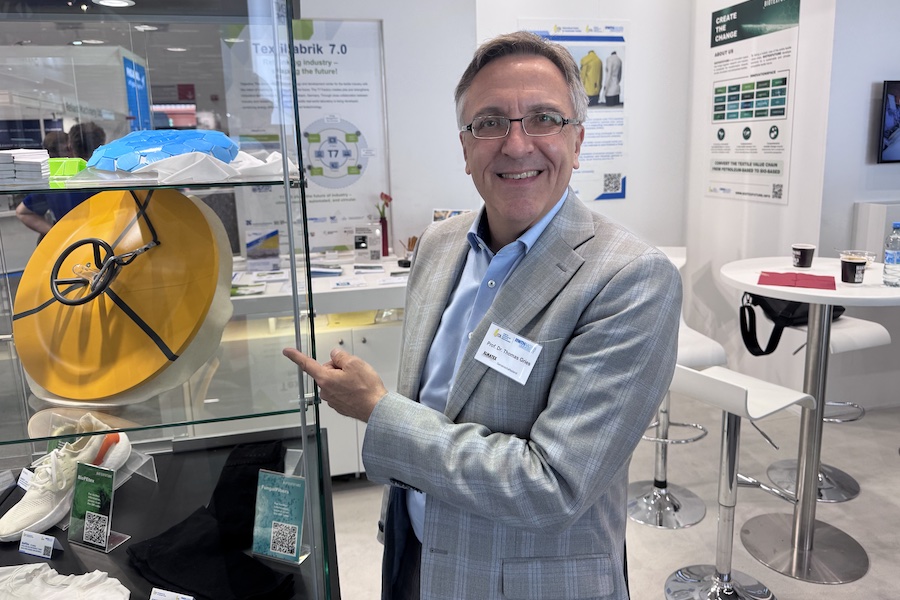
From technical textiles and AI-driven robotics to the limitations of textile circularity: Professor Dr Thomas Gries looks back on more than two decades of development at ITA Aachen. In the interview, he explains why production technology remains a decisive success factor, discusses international collaborations and innovation ecosystems, and shares his views on the transformation of production landscapes and the challenges facing an increasingly regulated industry.

#Knitting & Hosiery

“We need to move away from the price trap and return to a value-driven mindset.”

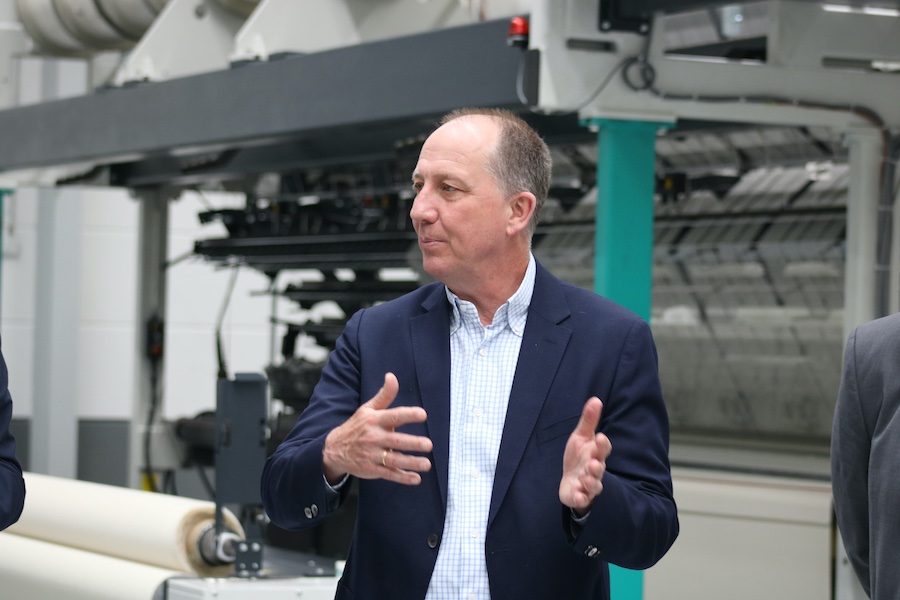
With its new Textile Innovation Center, KARL MAYER is sending a strong signal for innovation, collaboration, and the future of textile applications. In this interview, Karl Josef Mayer discusses new opportunities in warp knitting, the processing of staple fibres, recycling, the changing role of machinery manufacturers, and why the textile industry must once again focus more strongly on the value of textiles. by Oliver Schmidt

#Associations

“Innovation, resilience and international experience remain the great strengths of the Swiss textile machinery industry”

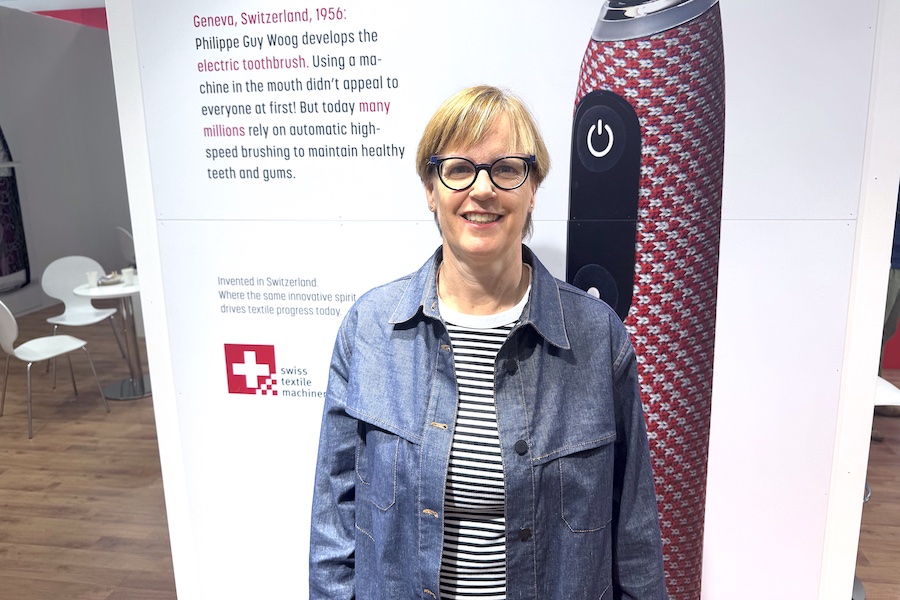
Geopolitical uncertainty, growing competitive pressure from China, new free trade agreements and the shift towards a circular economy are currently reshaping the global textile industry. In this interview, Cornelia Buchwalder discusses the current mood within the Swiss textile machinery sector, the industry’s distinctive innovative strength, new market opportunities in India and Asia, and the technological trends that could shape the upcoming trade fair cycle leading up to ITMA 2027.

More News on Denim

#Industry 4.0 / Digitalization

Jeanologia and BCome connect factory data with Life Cycle Assessment and Digital Product Passports

A new white paper by EIM by Jeanologia and BCome demonstrates how primary environmental data from denim finishing processes can be integrated into a garment's Life Cycle Assessment (LCA) and prepared for use in a Digital Product Passport (DPP). A comparative case study highlights significant improvements at the production stage while also showing how these translate into the environmental performance of the finished garment.

#Denim

Inside the Making connects denim and sportswear supply chains at Ecomondo 2026

Six European companies are joining forces at Ecomondo 2026 in Rimini to demonstrate how different stages of denim and sportswear production are interconnected. The new initiative, Inside the Making, highlights the importance of cooperation across the textile supply chain in addressing sustainability challenges, from reducing resource consumption to improving transparency and the reliability of environmental claims.

#Denim

Catalyst Club connects fashion industry leaders and emerging talent at Kingpins Amsterdam

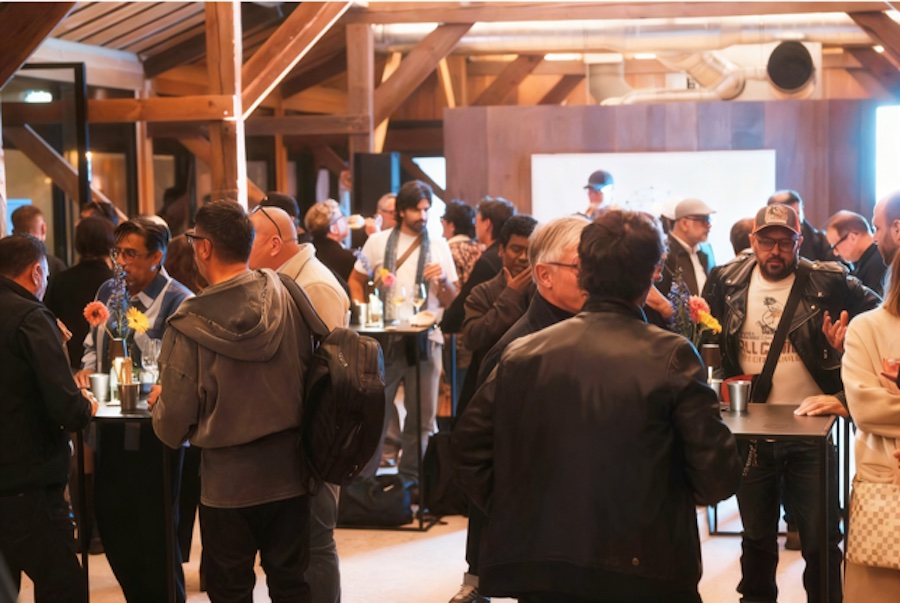
Following its debut in Florence, Catalyst Club hosted its second networking event during the Kingpins Show in Amsterdam, bringing together international fashion and denim industry representatives to exchange ideas, share experiences and explore new opportunities for collaboration.

#Denim

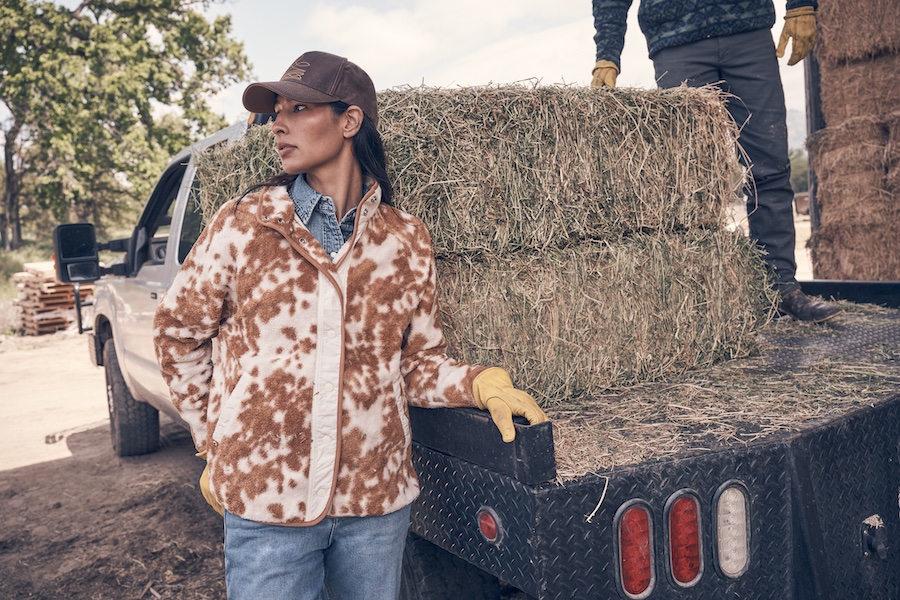
Wrangler introduces debris-repellent sherpa fleece technology Hay Away™

The patent-pending fabric technology prevents hay, straw, mulch and grass from clinging to high-pile fleece. The development received a category award in Fast Company's 2026 Innovation by Design Awards.

Latest News

#Spinning

Georg Stausberg, a veteran of the textile machinery industry, takes over as Rieter Group CEO

Georg Stausberg, one of the most experienced executives in the international textile machinery industry, has been appointed Chief Executive Officer of the Rieter Group with immediate effect from 4 November 2026. With more than three decades of industry experience and a long-standing leadership career at Barmag, Stausberg brings extensive technological expertise, international market knowledge and an established network across the global textile industry to his new position.

#Nonwovens

EDANA welcomes definitive EU anti-dumping measures on Chinese PET spunbond

EDANA, the international association serving the nonwovens and related industries, has welcomed the European Commission's decision to impose definitive anti-dumping duties on imports of PET spunbond originating in China. The association considers the measures an important step towards restoring fair competition and safeguarding European industrial capacity.

#Nonwovens

EU imposes definitive anti-dumping duties on Chinese PET spunbond imports

The European Commission has introduced definitive anti-dumping duties ranging from 39.8% to 48.1% on imports of PET spunbond from China. The measures, which entered into force on 31 October 2026, will remain in place for five years and are intended to address unfairly priced imports that have caused injury to European manufacturers. The EU market for these nonwoven materials is valued at approximately €200 million.

#India ITME 2026

Monforts ready for India’s next phase of textile growth at ITME 2026

Advanced finishing, coating and energy-efficient processing will be highlighted by Monforts at India ITME 2026, as the region’s textile manufacturers increasingly look beyond volume production towards higher-value fabrics. The German finishing machinery specialist sees considerable potential in India as investment continues in conventional apparel and home textiles alongside rapidly developing markets for technical textiles, activewear, sportswear, filtration and automotive applications.

TOP