[pageLogInLogOut]

#Composites

Hans-Christian Früh appointed new Project Manager of Composites for Europe

New name, new concept and a new face: Composites for Europe, previously COMPOSITES EUROPE, is now also re-pitching itself in personnel terms. Dr. Ing. Hans-Christian Früh will become the new Project Manager of Composites for Europe, to be held as a business summit for composites in Stuttgart from 10 to 12 November. The 35-year old succeeds Daniel Schäfer who will rise to another professional challenge.

“Hans-Christian is a composites man through and through. His CV reads like he is “re-engineering personified” at Composites for Europe,” says Goetz-Ulf Jungmichel, the Event Director in charge of materials trade fairs organised by Reed Exhibitions Deutschland. This, he adds, is specifically due to his broad-based thematic background in diverse composite applications and to his feel for challenges in this industry.

Hans-Christian Früh, who studied mechanical engineering and aviation and aerospace technology at RWTH Aachen, comes with expertise that predestines him for this new task. Born in Mülheim Früh received his doctorate for a thesis on automated handling in composites production. In parallel, Früh headed the research department “Automated Composites Production”.

Here research focused on the automation and digitization of composites. His research activities were accompanied by international industry projects in the fields of automotive and aerospace. At the same time, Früh with a passion for aviation and music, worked on projects for electrically propelled aviation devices and carbon-based musical instrument making.

Hans-Christian Früh (c) 2020 Composites Europe


More News from COMPOSITES EUROPE

More News on Composites

#ITMA Asia + CITME 2026

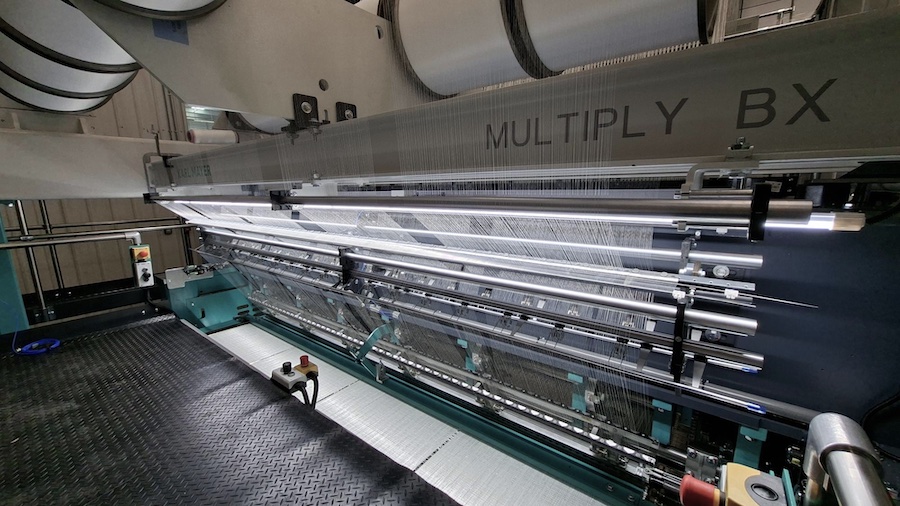
KARL MAYER introduces MULTIPLY BX for high-efficiency wind turbine reinforcement fabrics

KARL MAYER is expanding its composite machinery portfolio with the new MULTIPLY BX, a biaxial warp knitting machine specifically developed for the production of reinforcement textiles used in wind turbine rotor blades. Designed for high output and efficient material utilisation, the machine achieves production speeds of up to 500 m/h and offers a productivity increase of 20 to 25% compared with the established MAX GLASS ECO. The MULTIPLY BX will make its debut at the KARL MAYER (China) Product Show in Changzhou during ITMA ASIA 2026.

#Research & Development

Novel flame-retardant and recyclable fiber-reinforced composite

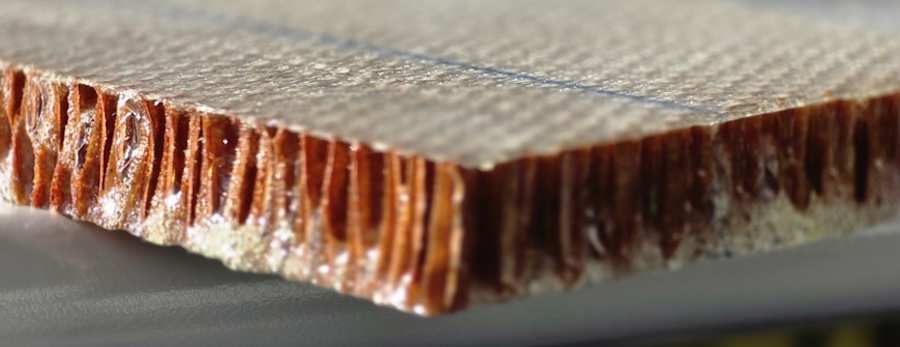
Airplanes and passenger trains must meet strict safety requirements, including fire safety standards. This calls for materials that are flame-retardant, lightweight, robust, and scalable. Empa researchers, in collaboration with their industry partner Elantas, have now succeeded for the first time in making such a material – a composite – fully recyclable.

#Composites

WHILL selects Teijin’s tough, lightweight Carbon Fiber Composite for new last-mile mobility

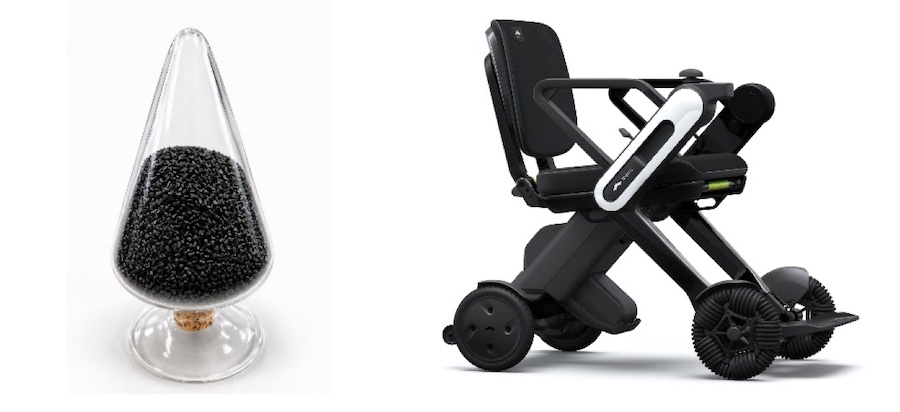
Teijin Limited announced today that WHILL Inc., a global leader in inclusive mobility technology, has selected Sereebo® P CFP series, a carbon fiber-reinforced thermoplastic (CFRTP) material, for key structural components of the upcoming WHILL Model C Lite. Sereebo® P CFP series provides high strength, light weight, design flexibility and system cost advantages to the Model C Lite, which is a battery powered, single-seat, last-mile device. This new model combines maneuverability with light weight and one-handed folding to ensure ease of handling and operation.

#Composites

Fewer pores, greater impact tolerance: Peter Dornier Foundation Prize 2026 honours material research on fibre-reinforced composite components for aerospace industry

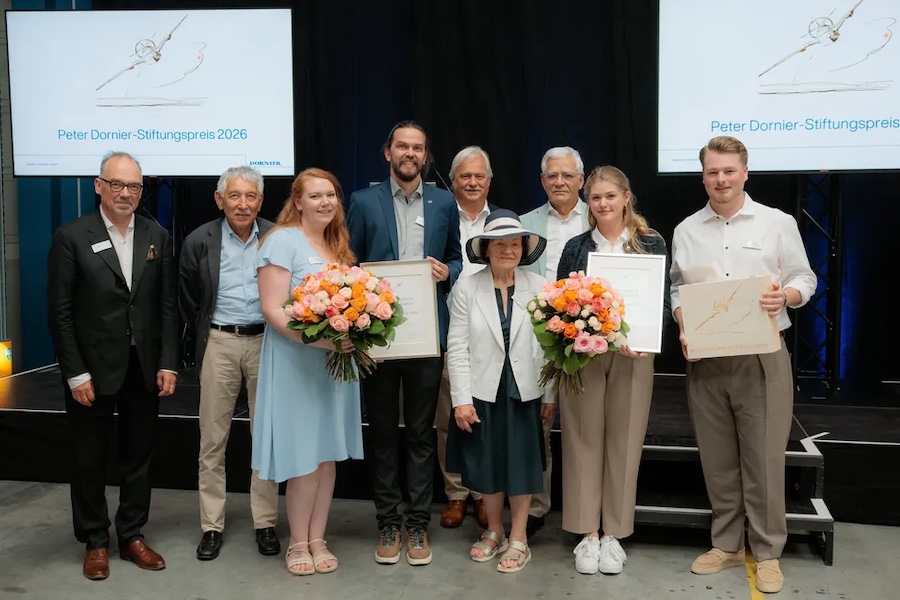
Microscopically small pores that form during manufacture, or barely visible impact damage, can severely impair the load-bearing capacity and service life of fibre-reinforced composite components. Two young researchers have presented groundbreaking work in this field and will both be awarded the 2026 Peter Dornier Foundation Prize: Dr.-Ing. Benedikt Neitzel from the Technical University of Ilmenau for his doctoral thesis on pore minimisation in the RTM process, and Johanna Buschmann, M.Sc., for her master’s thesis, completed at the German Aerospace Centre, on the improved impact tolerance of 3D fabrics compared to 2D laminates.

Latest News

#Digital Printing

From a bedroom startup to 3,000 designs: How Lonely Kids Club built its business with DTG printing

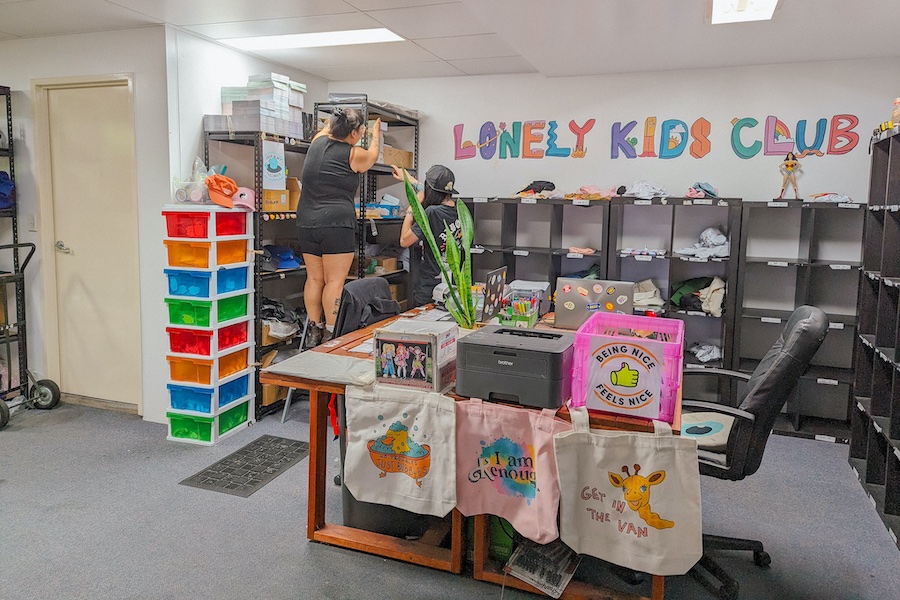
Founded in Sydney in 2011, independent clothing label Lonely Kids Club has grown from a bedroom startup into a business offering around 3,000 graphic T-shirt designs. With its own production studio, direct-to-garment printing and a demand-driven manufacturing model, the company demonstrates how smaller apparel brands can combine creative independence with flexible production – while navigating the everyday challenges of quality control, workflow efficiency and sustainability.

#Recycled Fibers

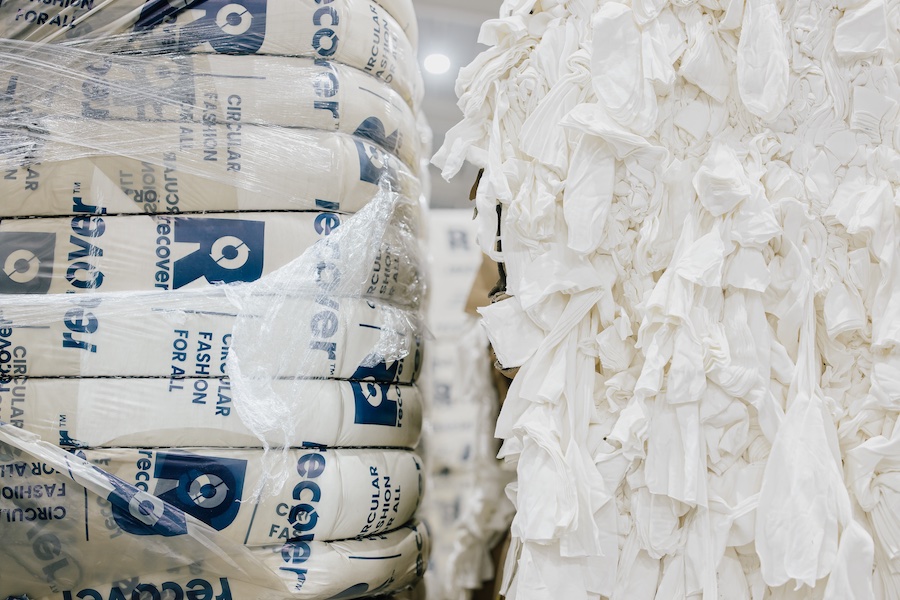
Recover and SUPIMA partner to develop recycled Pima cotton fibers and yarns

Recover and SUPIMA have partnered to turn waste from SUPIMA cotton production into a new line of recycled fibers and yarns. The collaboration will explore how recycled American-grown Pima cotton can be used in a wider range of yarns and garments for the premium market.

#India ITME 2026

India’s textile industry: Current position, growth targets and industrial development

With ambitious export targets, major investments in manufacturing infrastructure and new international trade agreements, India is pursuing a comprehensive development strategy for its textile and apparel industry. An overview of the industry’s current position, government initiatives, progress achieved and challenges ahead.

#Weaving

“A complex design is only useful if the machine can reproduce it consistently”

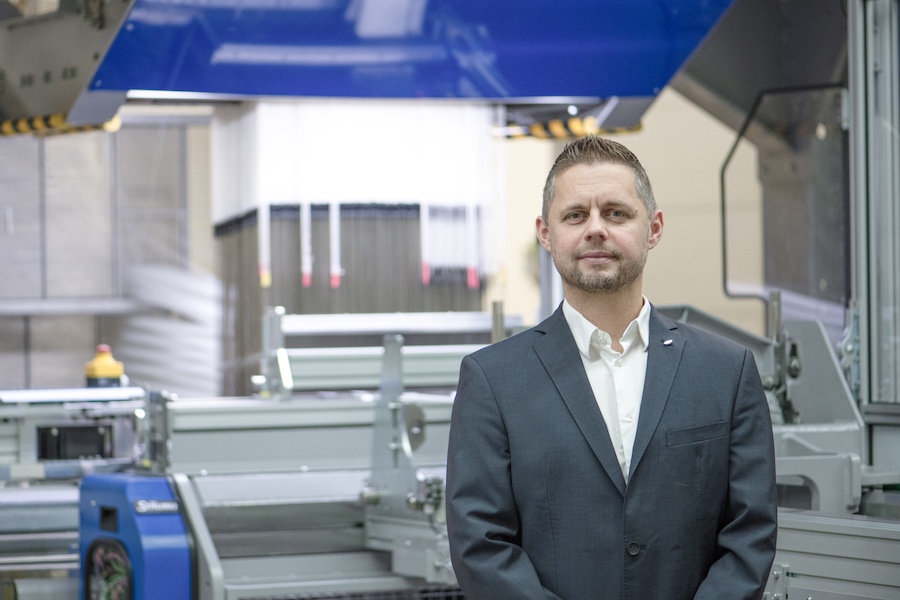
Andreas Schnabel, Head of R&D for Technical Weaving Systems at Stäubli, discusses how 3D weaving can create textile reinforcements tailored to the loads within a composite component, where near-net-shape weaving can reduce processing steps and material waste, and what it takes to produce complex structures reliably and economically. He also explains how manufacturers can adapt Stäubli’s modular TF weaving platforms to new applications and how the company’s centre of excellence in Bayreuth supports the transition from research to industrial production.

TOP