[pageLogInLogOut]

#Associations

ITMF Awards 2022 extension of deadline until April 30th, 2022

Due to uncertain and unpredictable international travel and event restrictions related by the new Covid-19 variant “Omicron”, the ITMF Annual Conference 2022 was postponed from April to September 2022.

As a result, it was decided that the deadline for applications for the two ITMF Awards 2022 – “Sustainability & Innovation” and “International Cooperation” – was extended from January 29th to April 30th, 2022.

All relevant information about the ITMF Awards 2022 can be found on the following website: https://www.itmf.org/awards/itmf-awards-2022


ITMF is an international forum for the world's textile and related industries founded in 1904. ITMF members are associations and companies covering the entire textile value chain – producers of fibres, textile machinery, chemicals, textiles, apparel, and home textiles. The membership is from more than 40 countries and is representing around 90% of global production.
More News from TEXDATA International

#ITM 2026

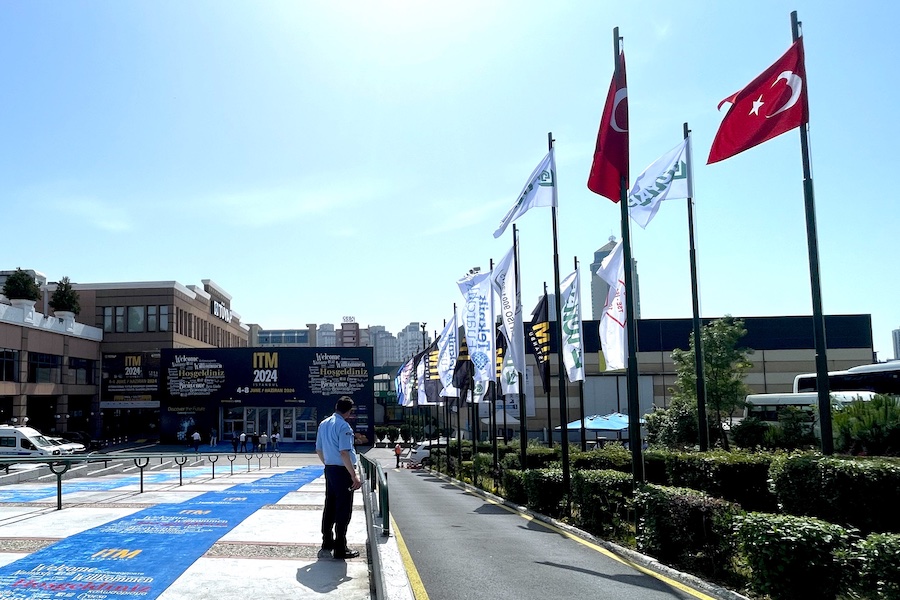
ITM 2026: The new geography of textile production

New production hubs are emerging across North Africa and Central Asia, while Türkiye is accelerating its transformation toward higher-value, technology-driven and more sustainable textile manufacturing.

#Research & Development

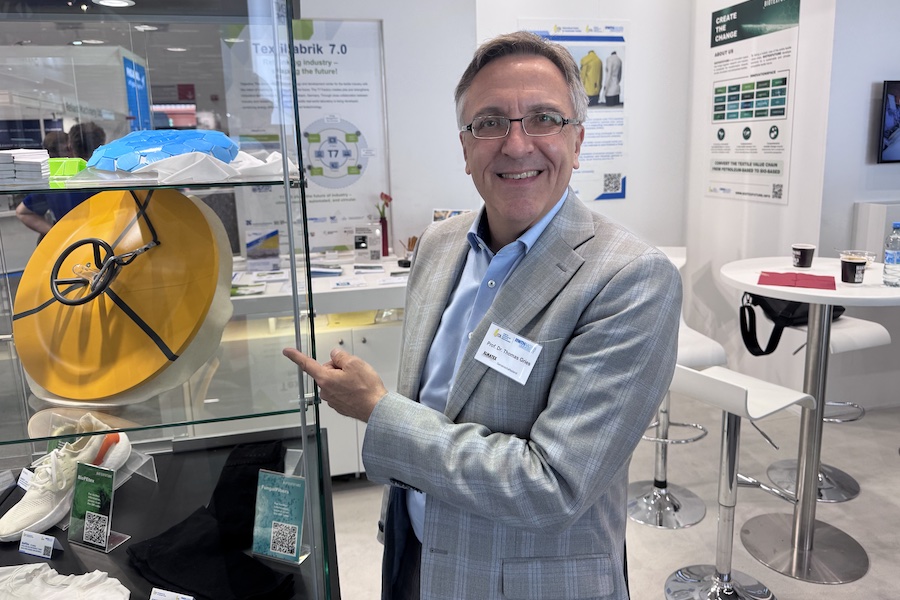
“Production is a product”

From technical textiles and AI-driven robotics to the limitations of textile circularity: Professor Dr Thomas Gries looks back on more than two decades of development at ITA Aachen. In the interview, he explains why production technology remains a decisive success factor, discusses international collaborations and innovation ecosystems, and shares his views on the transformation of production landscapes and the challenges facing an increasingly regulated industry.

#Knitting & Hosiery

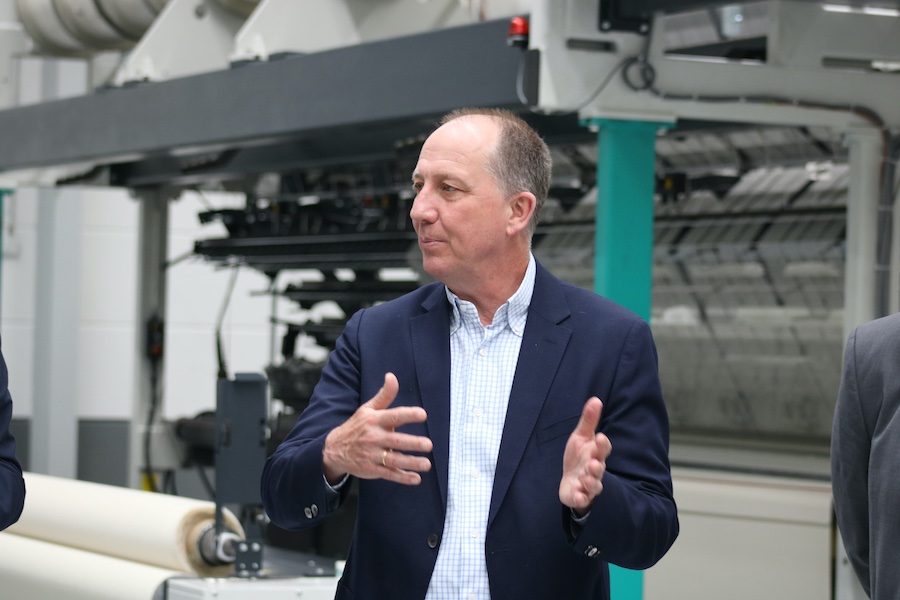
“We need to move away from the price trap and return to a value-driven mindset.”

With its new Textile Innovation Center, KARL MAYER is sending a strong signal for innovation, collaboration, and the future of textile applications. In this interview, Karl Josef Mayer discusses new opportunities in warp knitting, the processing of staple fibres, recycling, the changing role of machinery manufacturers, and why the textile industry must once again focus more strongly on the value of textiles. by Oliver Schmidt

#Associations

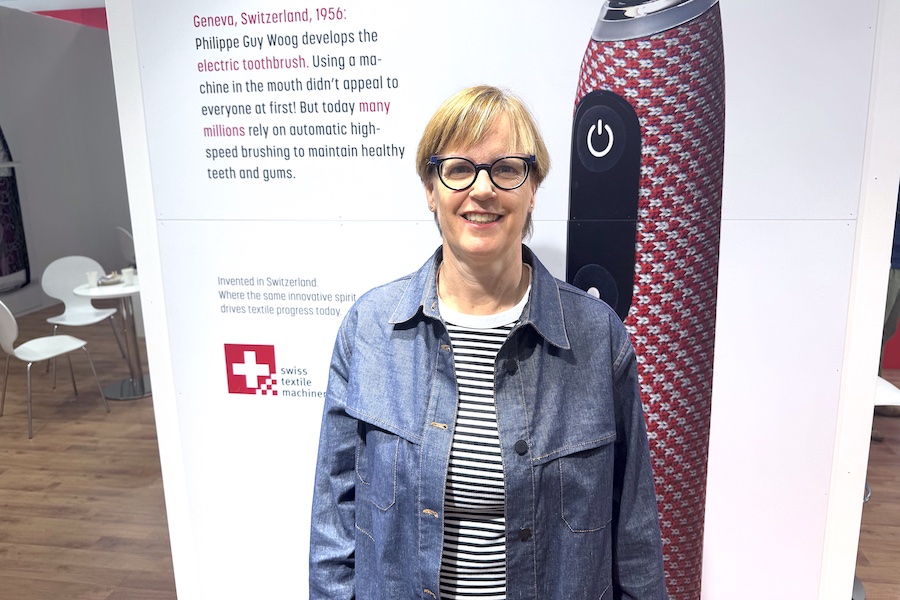
“Innovation, resilience and international experience remain the great strengths of the Swiss textile machinery industry”

Geopolitical uncertainty, growing competitive pressure from China, new free trade agreements and the shift towards a circular economy are currently reshaping the global textile industry. In this interview, Cornelia Buchwalder discusses the current mood within the Swiss textile machinery sector, the industry’s distinctive innovative strength, new market opportunities in India and Asia, and the technological trends that could shape the upcoming trade fair cycle leading up to ITMA 2027.

More News on Associations

#India ITME 2026

New momentum for British textile machinery in India

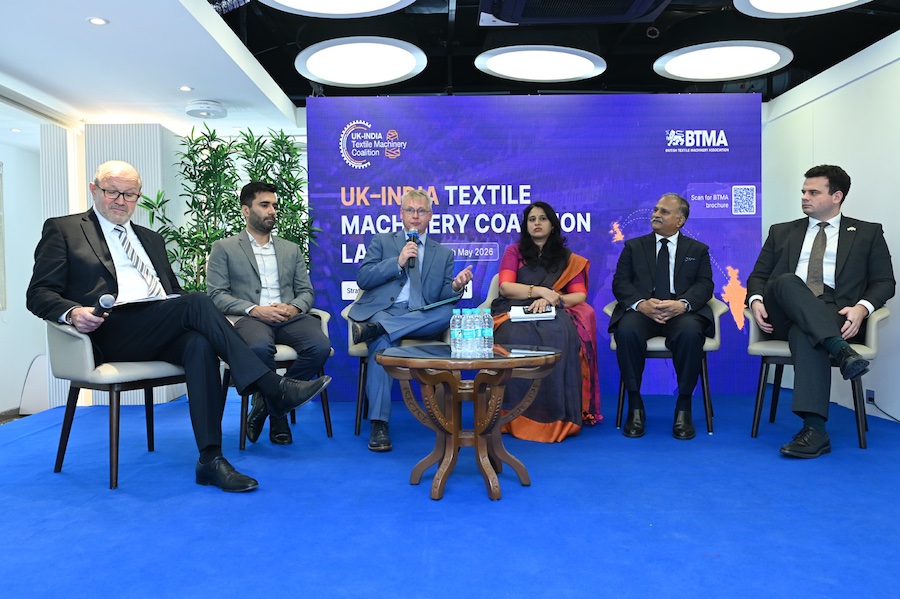
The British Textile Machinery Association (BTMA) is looking to India ITME 2026 as a major opportunity to strengthen industrial partnerships and mutually expand exports, following the introduction of the UK-India Free Trade Agreement and the formation of the UK-India Textile Machinery Coalition (UKITMC).

#Associations

China and India: Different market dynamics create opportunities for Swiss textile machinery

Ahead of ITMA Asia + CITME in Shanghai and India ITME in Greater Noida, Swiss Textile Machinery highlights the contrasting industrial structures, investment priorities and technological requirements of two of the world's most important textile manufacturing markets.

#Associations

European and Canadian textile associations call for stronger transatlantic cooperation

Ahead of the EU–Canada Summit in Montréal on 29–30 October 2026, EURATEX, the Canadian Textile Industry Association (CTIA) and the Canadian Apparel Federation (CAF) have issued a joint statement calling for closer industrial cooperation, improved implementation of the CETA trade agreement and stronger partnerships in innovation, sustainability and advanced textile technologies.

#Associations

Italian textile machinery orders rise 7% in Q3 2026 as export demand strengthens

Order intake for Italian textile machinery manufacturers increased by 7% in the third quarter of 2026 compared with the same period of 2025. Growth was driven by international markets, where orders rose by 8%, while domestic demand remained weak, declining by 4%.

Latest News

#Digital Printing

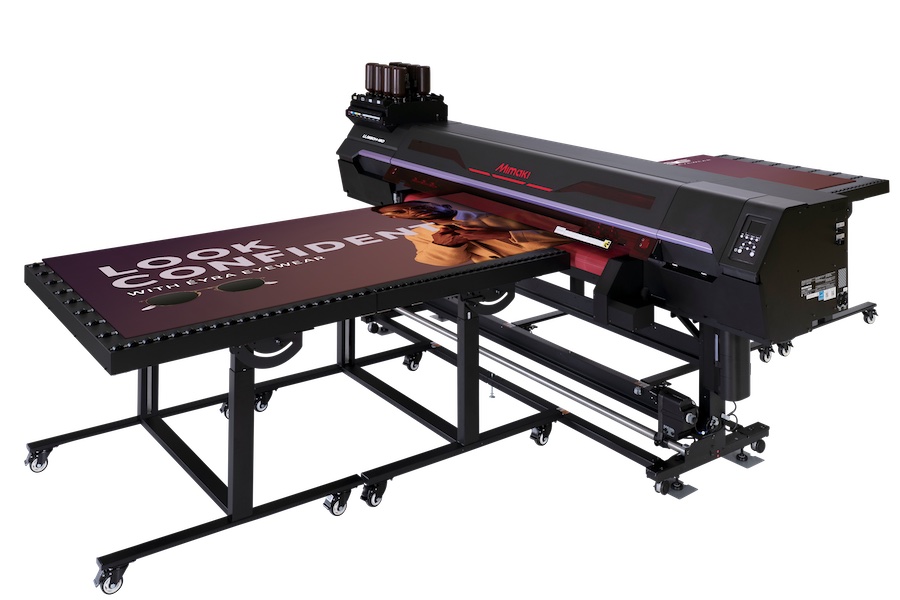
Mimaki highlights growing demand for hybrid UV printing across European markets

Insights from Mimaki's European partner network reveal how hybrid UV printing is responding to different regional market needs, driven by growing demand for flexible, application-oriented printing technologies.

#Spinning

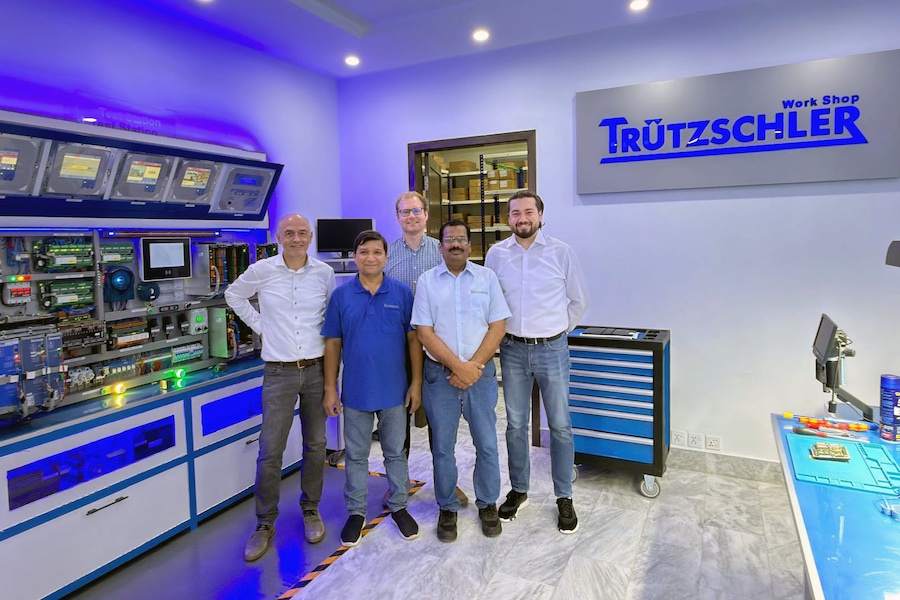
Trützschler expands technical service capabilities for spinning mills in Pakistan

Faster support, shorter downtime and advanced repair capabilities: customers across Pakistan can now benefit from the Trützschler Service Station at its new location in Lahore. By combining Trützschler service expertise with state-of-the-art diagnostic equipment, the new facility helps spinning mills resolve technical issues more quickly and maintain reliable production.

#Raw Materials

Global cotton consumption to exceed production in 2026/27 as Asian demand remains resilient

Global cotton consumption is projected to exceed production in the 2026/27 season as output declines across several major producing countries while demand remains relatively stable, according to the November edition of Cotton This Month, published by the International Cotton Advisory Committee (ICAC).

#Recycled Fibers

C&A and Zalando join Altag® Fiber Club to accelerate adoption of agricultural waste-based fibres

Fashion for Good and AltMat announced today that C&A and Zalando have joined the Altag® Fiber Club as its first brand signatories, marking a critical commercial milestone in the journey to mainstream adoption of next-generation fibres derived from agricultural waste.

TOP