[pageLogInLogOut]

#Textiles & Apparel / Garment

New product label – Tested quality ‘Skin flora neutral’

Hohenstein researchers develop test system for documenting the safety of antibacterial functionalised textiles.
Antibacterial textiles, e.g. products treated with silver, have an odour eliminating effect and are therefore very popular particularly for so-called first layer or sports clothing which is worn directly against the skin. In recent years, however, antim-icrobial functionalised textiles have repeatedly been the subject of critical reports in the media, creating unease among customers. A recent test of cycling trousers carried out by the German consumer advice magazine Öko-Test (4/2013) also gave lower ratings to tex-tiles containing silver. Critics are propagating the idea that the antimicrobial effect could affect the healthy human skin flora if it is too ‘strong’. This supposedly becomes a problem especially when antibacterial fibres are used in clothing that is worn close to the skin, such as underwear or socks. There is one aspect that is usually overlooked in this criticism, though: The effective bioavailability of the active silver substances in the product. Re-searchers from the Hohenstein Institute in Bönnigheim/Germany have already refuted the fears about commercial quality antibacterial products in an extensive scientific field study several years ago (AiF no. 15537 N). A comparison between the influence of normal and antibacterial functionalised chemical fibres on the skin flora and the micro climate showed no significant differences. The research results prove that antibacterial agents in high-quality textile finishes are incorporated into the product to work in the microscopical range on the surface of the fibre, preventing the formation of odour on the product. Most of the silver ions in garments worn against the skin are simply not bioavailable and can therefore not have any effect there.

They can also not be increasingly released through sweating or washing. The researchers were able to give the basic all clear for the products examined. However, they also suggested studying the effects of these functionalised textiles on the skin flora in the context of consumer protection.
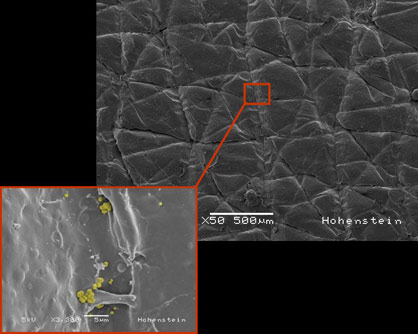
Pic: Artificial skin model with human skin flora for risk assessment of antibacte-rial functionalised textiles (HUMskin) © Hohenstein Institute  
Not all products can be examined in field studies over weeks or months before introduction to the market and there was no quick test available so far.

The Hohenstein researchers have now tackled this problem. A new test system allows tex-tile manufacturers to have the effects of antibacterial finishes on the skin flora examined already during product development. The practicability and reliability of the results pro-duced by the test system have already been proven through examination and comparison of functional textiles with antibacterial finish.

The practically oriented test is based on a standardised model of the human skin flora which simulates the germ population, topography and environmental properties of healthy skin. To achieve this, several germ types were selected from the micro flora of a human epidermis and applied to a specially developed artificial skin replacement material (HUM-skin). The effect of the test material on these germs is quantified during a wearing simula-tion over a period of 18 hours and then evaluated against a control material without antim-icrobial finish. This process examines the change in the total number of germs as well as the number of individual germs. If no significant reduction in the number of germs occurs within the exposure time, the textile is considered to be ‘safe’ with regard to the body's own skin flora.

The test results can be advertised using the Hohenstein Quality Label ‘Antibacterial & Skin flora neutral’. Successful testing for antibacterial effectiveness according to DIN EN ISO 20743 is a prerequisite for obtaining the label. To ensure realistic testing, the test system was correlated with textiles from an earlier field study concerning the influence of antibac-terial clothing (AiF no. 15537 N).

The aim of the Hohenstein Quality Label ‘Skin flora neutral’ is to allow customers to see which antibacterial textiles have been proven to have no influence on the skin flora. In addi-tion to the current tests ‘Antibacterial’, ‘Odour reduction’, ‘Effective against dust mites’, ‘Skin friendly’ and ‘Suitable for allergy sufferers’, the Hohenstein Institute can now offer another certification for textile manufacturers which is directed at retail customers.

Prof. Dr. Dirk Höfer explains, ‘The new product label ‘Skin flora neutral’ is the ideal supple-ment to the Hohenstein Quality Label we introduced a few years ago.’ The newly developed test system can also be used to examine the impact of antibacterial cosmetics and deter-gents.

Skin flora

With a surface of around two square meters, the skin is the largest organ in our bodies. It is densely populated by microorganisms such as staphylococci, micrococci, propionibacteria and corynebacteria. These make up the so-called resident skin flora which plays an important role in the skin's barrier function and protects us against outside influences and pathogens.

More News from Hohenstein Institute

#Textiles & Apparel / Garment

Global size study for brands and retailers to optimize fit and market coverage

Hohenstein Apparel Fit Solutions, a global leader in apparel fit, sizing, and product development, today announces the launch of its Global Size Study, a new initiative designed to equip brands to better understand and serve their target consumers through more accurate, market-relevant sizing.

#Sustainability

A new standard to combat plastic waste in forests

With DIN SPEC 35808 “Tree Shelter for Forestry Applications,” the testing and research service provider Hohenstein, in collaboration with Rottenburg University of Forestry, as well as forestry authorities and industry partners, has established a clear framework for bio-based and fully biodegradable tree shelters. The pre-standard defines requirements and practical testing methods designed to reduce plastic waste in forests and strengthen the long-term protection of soil and the environment.

#Research & Development

Hohenstein publishes 2025 Sustainability Report

The testing and research service provider Hohenstein has published its latest sustainability report, outlining key progress and strategic initiatives. The report focuses on ambitious CO₂ reduction targets, the company’s new mission statement and the systematic expansion of sustainable services for customers worldwide.

#Research & Development

New DIN SPEC assesses environmental impact of textile fragments in soil

Textile products made from synthetic fibres, finished fabrics or dyed materials release fibre fragments into the environment at every stage of their life cycle. With the new DIN SPEC 19296, Hohenstein has developed a standardised testing method to analyse how these fragments behave in soil under natural conditions. Until now, little was known about their environmental behaviour or potential ecological effects once released.

More News on Textiles & Apparel / Garment

#Associations

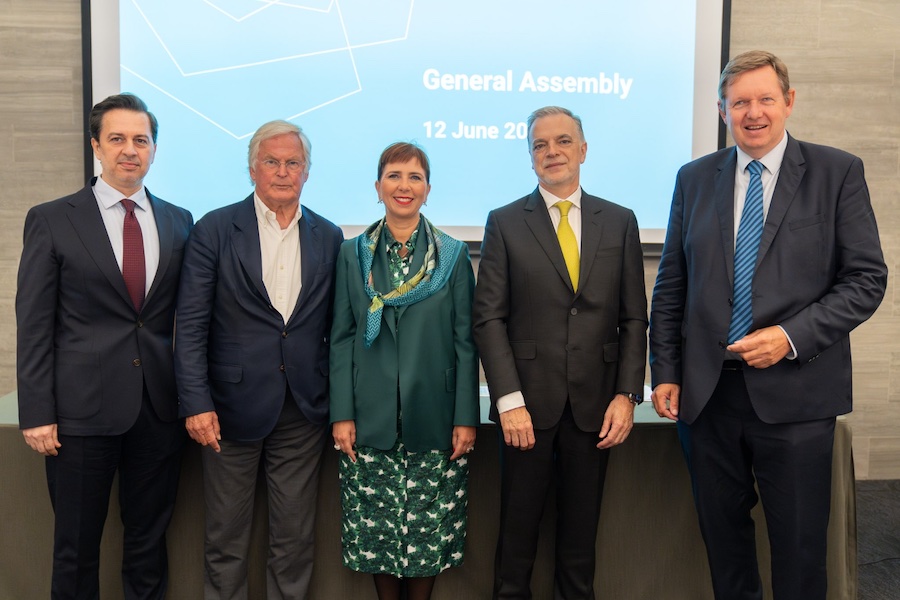
Mario Jorge Machado re-elected President of EURATEX

The EURATEX General Assembly has re-elected Mario Jorge Machado as President of EURATEX, renewing its confidence in his leadership at a crucial moment for the European textile and clothing industry. The sector is facing rising costs, global competitive pressure and an increasingly challenging transition towards sustainability and digitalisation.

#Textiles & Apparel / Garment

Autopsy, the new trend book by Texworld Apparel Sourcing Paris, deciphers the fractures of our time through 12 creative signals

Presented during Texworld Apparel Sourcing Paris, from August 31 to September 2, 2026, at the Paris-Le Bourget Exhibition Center, Autopsy offers a reinterpretation of the contours of fashion in a world undergoing profound transformation, balancing radical introspection and sensitive renewal.

#Yarn & Fiber

Next week’s focus: Intertextile Shenzhen & Yarn Expo Shenzhen fuse textile tradition with sustainable, digital trends

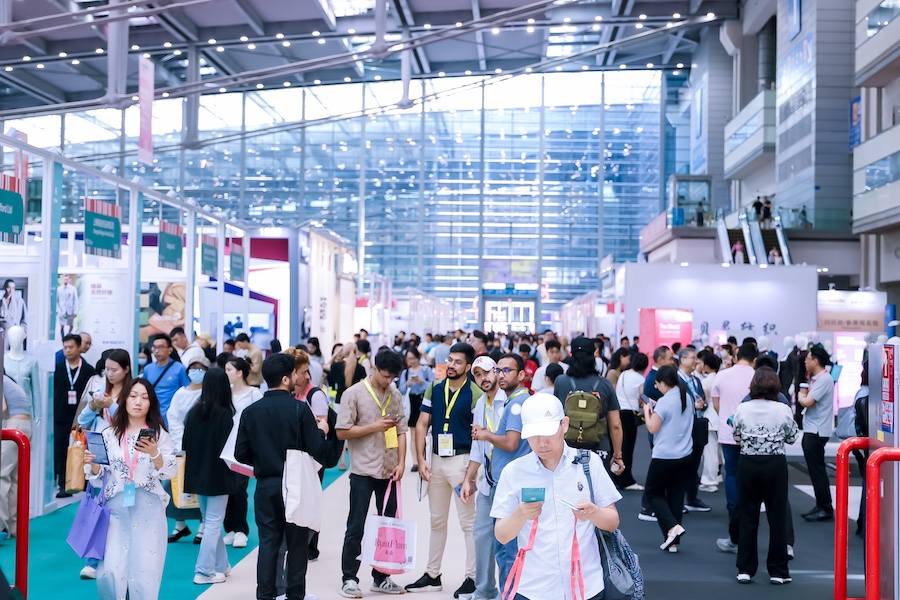
Fashion will not be left behind in one of the world’s undisputed tech and manufacturing capitals. Which is why next week, at Intertextile Shenzhen Apparel Fabrics and Yarn Expo Shenzhen 2026, the organisers have made special efforts to integrate textile topics such as materials innovation, holistic sustainability, digitalisation and AI. Yet, from 9 – 11 June at the Shenzhen Convention and Exhibition Center, the platform also includes timeless tradition and heritage-inspired evolution in equal measure. Across both shows, over 600 exhibitors from 11 countries and regions are set to showcase everything from Peruvian alpaca wool fabrics to tea-derived fibres, while their fringe programmes will explore diverse solutions along the entire value chain.

#Textiles & Apparel / Garment

New sourcing regions and sustainable solutions shape Texworld Paris 2026

From August 31 to September 2, 2026, Texworld Apparel Sourcing Paris will once again bring together all international players in textiles and apparel at the Paris-Le Bourget Exhibition Center.

Latest News

#ITM 2026

ITM 2026 makes happy participants with its international and qualified visitor profile

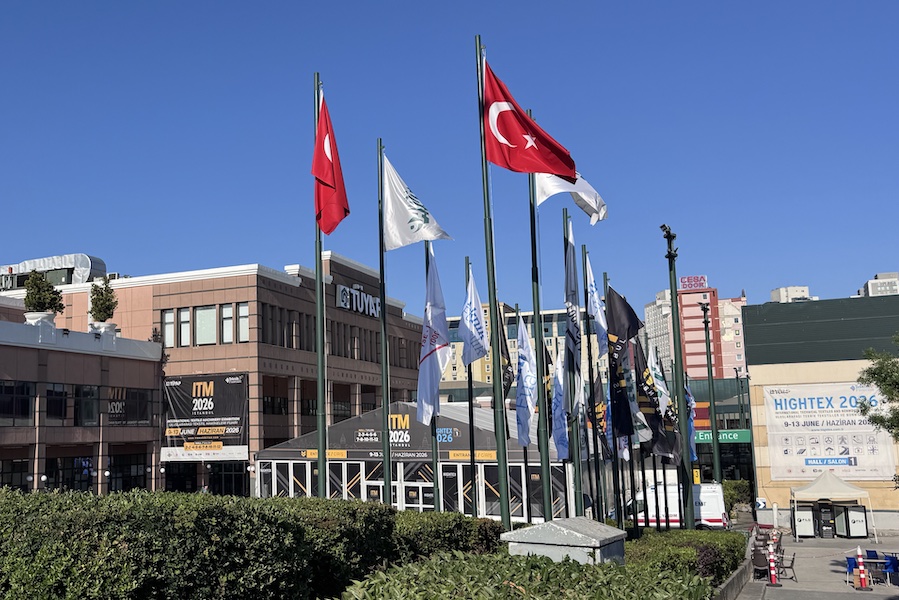
ITM 2026 International Textile Machinery Exhibition, one of the most prestigious meeting points of the textile machinery sector, attracted attention in its first three days, particularly with its diverse international visitor numbers. Industry professionals from all over the world had the opportunity to closely examine the latest technology machines and solutions displayed in operation. Thousands of visitors from approximately 100 countries, primarily Egypt, Pakistan, India, Uzbekistan, Syria, Turkmenistan, Tajikistan, Morocco, Algeria, and Tunisia, met at the Tüyap Fair and Congress Center for new investment and cooperation opportunities.

#ITM 2026

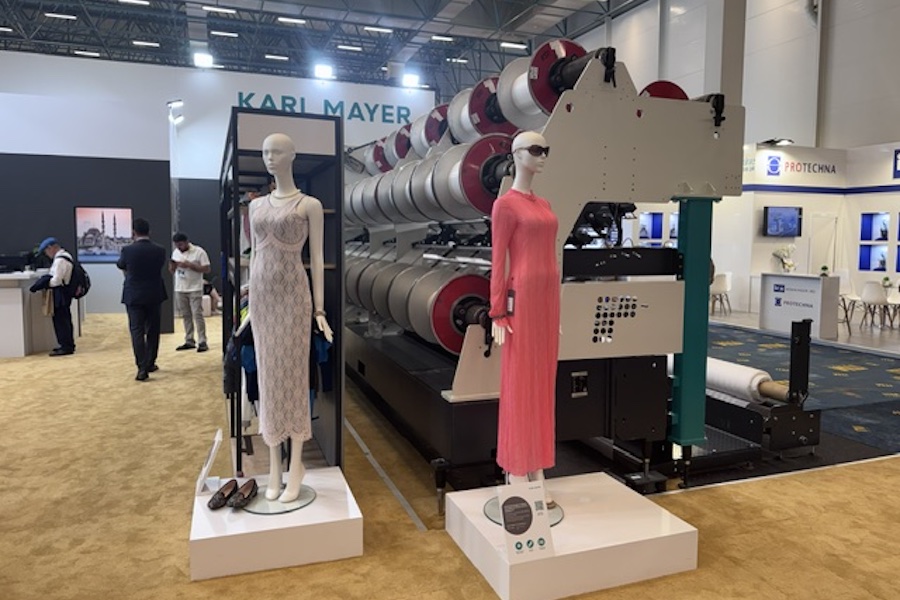
KARL MAYER presents a textile TEXTRONIC® innovation at ITM 2026

With highly efficient machines and continuous textile innovations, KARL MAYER underscores its role as a reliable partner for discerning top-tier customers. Just in time for ITM 2026 in Istanbul, the industry leader is introducing a true innovation: an eyelash lace with its characteristic fringed look – combined with a previously unattainable 4-way stretch. While the established fabric could until now only be produced as rigid version or with one-dimensional stretch, the new elasticity in both dimensions expands the possibilities for cross-band panel fabrics.

#Raw Materials

Better Cotton Initiative welcomes new and returning Council members

The Better Cotton Initiative (BCI) has confirmed a series of appointments and reappointments to its Council, the multistakeholder board responsible for BCI’s strategic direction.

#Man-Made Fibers

DYNEEMA® and NP Aerospace advance personal protection for military servicewomen

Dyneema®, owned by Avient Corporation, an innovator of materials solutions, is supplying its high-performance unidirectional (UD) materials to world-leading armor manufacturer NP Aerospace, enabling the production of armor systems designed specifically to fit the female body. With 2,000 new armor systems, including 4,000 plates, made in the United Kingdom (UK) and delivered in June 2026, this collaboration addresses a long-standing lack of high-quality personal protection specially built for female defense and security personnel.

TOP