[pageLogInLogOut]

#Dyeing, Drying, Finishing

Controlled application is the key to ‘first time right’ with the latest Thies dyeing ranges

In a recent symposium at the CITVE Textile Institute of Portugal, on knitting, dyeing and finishing of knitted fabrics, Hermann Freericks, Thies GmbH & Co KG and Joao Sampaio, F.Sampaio Industrial Projects presented a key paper on the latest developments and benefits of ‘ first time right’ techniques in dyeing applications. A summary of the paper follows.

In the busy dyehouse, there are many process parameters which need to be constantly monitored if costly problems are to be avoided. The integrated dyeing technology of Thies has been developed drawing on many years of experience to provide operators with complete control at every stage, from start to finish.

There can, for example, be a number of reasons for dyeing problems with a batch being caused during the pre-treatment stages, as a result of unsatisfactory oil removal, pre-bleaching, scouring, washing, rinsing, neutralisation or pre-fixation.

Of equal importance, of course, is the accuracy of the recipe in respect of both dyestuffs and chemicals. Weighing errors, incorrect dosing or mismatched heating gradients can all cause their problems.

After-treatment too, can lead to poor colour fastness, shade differences or inadequate fixation. Another vital requirement is achieving batch-to-batch reproducibility in order to ensure uniform quality results and ultimately, customer satisfaction.
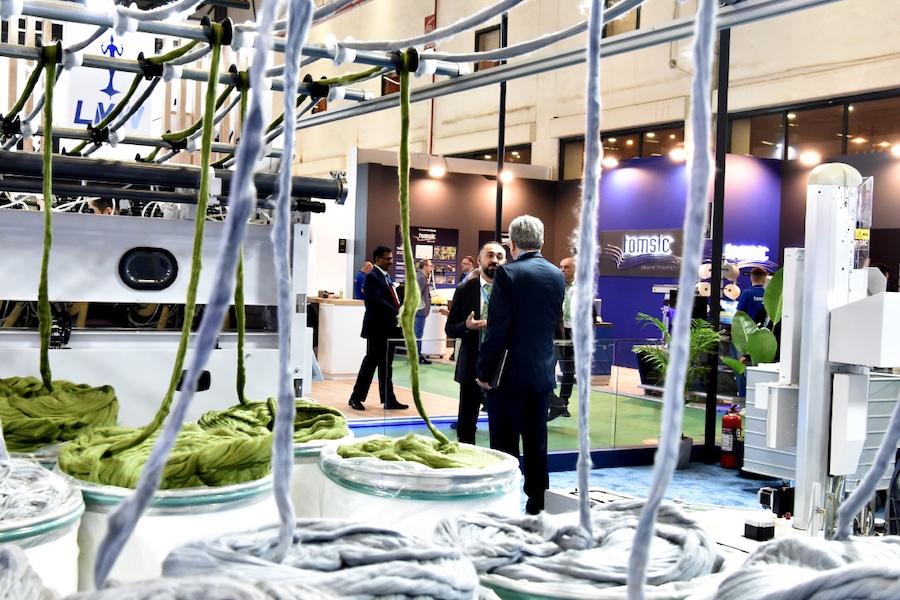
Thies symposium at the CITVE Textile Institute of Portugal 1

Any of these issues can lead to the need to recolour an entire batch. And, if the problem is severe enough, to have to strip out the colour completely and start again – more than doubling the cost to the mill. Thies has also analysed the reasons for off-shade dyeing results, and found that in around 40% of cases, insufficient pre-treatment of the textile raw material is the cause. Poor or fluctuating dyehouse waste quality and unsuitable methods, recipes or product selections are responsible in many other cases. In order to avoid such problems, a constant liquor ratio must be ensured, along with accurate weighing of dyes and chemicals, their correct dissolving and the monitoring of all auxiliary concentrations and activity. At the heart of today’s Thies dyeing ranges are the company’s MPS – Multi Product Supply – systems. Working in conjunction with all dyeing machines, including the iMaster H20 piece dyeing unit and the soft-TRD SIII long kier systems, they allow total automation of the entire dyehouse in order to achieve full reproducibility and reliability, while leading to time savings, streamlining production and cutting costs. For liquid and solid chemicals and dyestuffs too, MPS guarantees the highest accuracy as a result of automatic optimisation with repeatable and constant additions, the ability to fully control the integrated mixing and storage tanks, and the flexibility to accommodate machines of varying sizes.
Thies symposium at the CITVE Textile Institute of Portugal 4
  

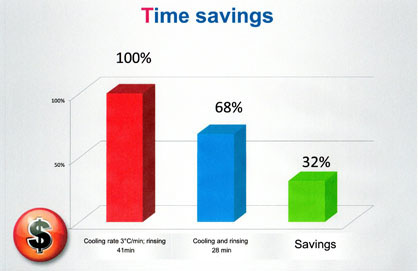
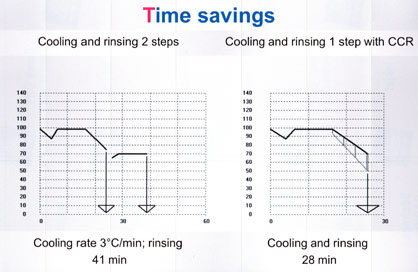
Further benefits result from the Thies CCR technology which combines the cooling and rinsing of the treated fabrics in a single step. This results in both significant water savings and shorter process times. Thies industrial-scale tests have proved that the previous 41 minutes required to carry out the separate cooling and rinsing steps of an average material is reduced to 28 minutes as a result of the CCR function – for savings of 32%.

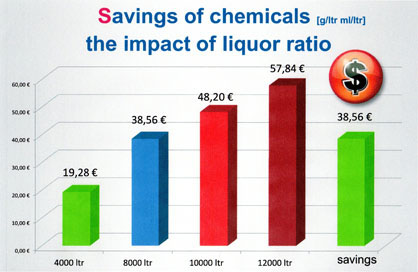
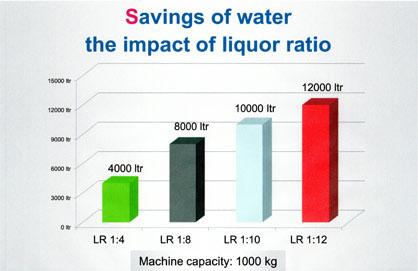
In addition to achieving right first time results, getting the liquor ratio as low as possible is one of the main keys to achieving further cost high materials efficiencies. For 100% cotton, the Thies iMaster H20 achieves an ultra-low liquor ratio of approximately 1:3.5 with excellent running properties at up to 500 m/min.

In addition, the fabric speed, nozzle pressure and plaiter movement are automatically synchronized and shrinkage is strictly controlled. The iMaster H20 is also capable of handling both light and heavy fabrics, as well as both full and part loads, as a result of its adjustable J-Box.
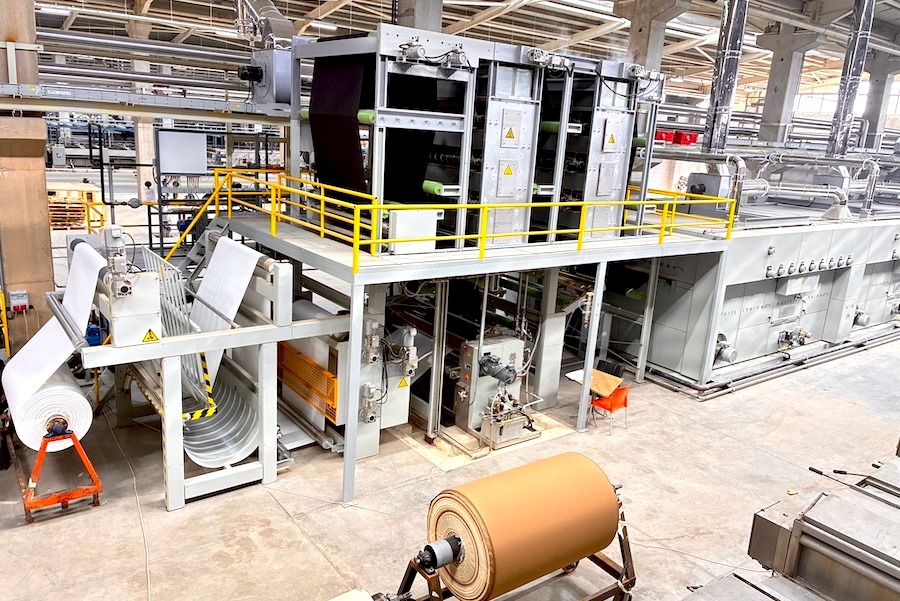
Thies soft-TRD III long kier systems meanwhile – capable of handling either 100kg, 150kg or 200kg per chamber and with between one and four chambers per machine – benefit from an enhanced design and unprecedented flexibility.

Uniformity in terms of the temperature distribution and the heat up of the fabric, liquor and kier itself, is complemented by a fully automatic dosing system and highly adjustable fabric speeds up to 600 m/min. The liquor ratio starts at 1:4,5 up to a maximum of 1:10 at operating temperatures of up to 140°C. “In addition to being a supplier in respect of engineering and construction, Thies builds long-term partnerships with its dyehouse customers,” concluded Hermann Freericks adding. “We aim to provide single-source solutions and full service support worldwide, with the flexibility to implement the requirements of our customers and ensure they are getting the utmost in terms of repeatable performance and resource efficiency from our machines.”
 

More News from Thies GmbH & Co. KG

More News on Dyeing, Drying, Finishing

#ITM 2026

New Monforts systems deliver round-the-clock production for Kipaş

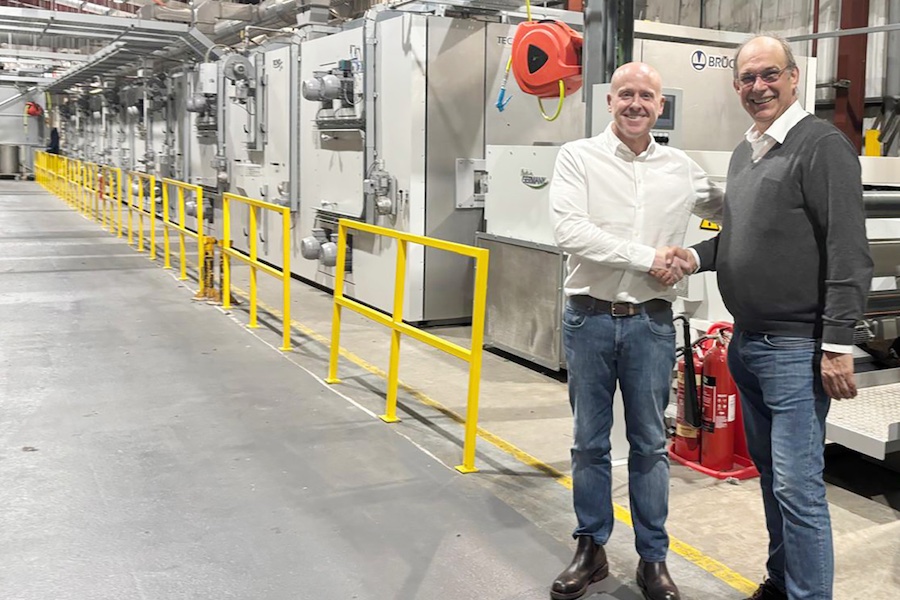
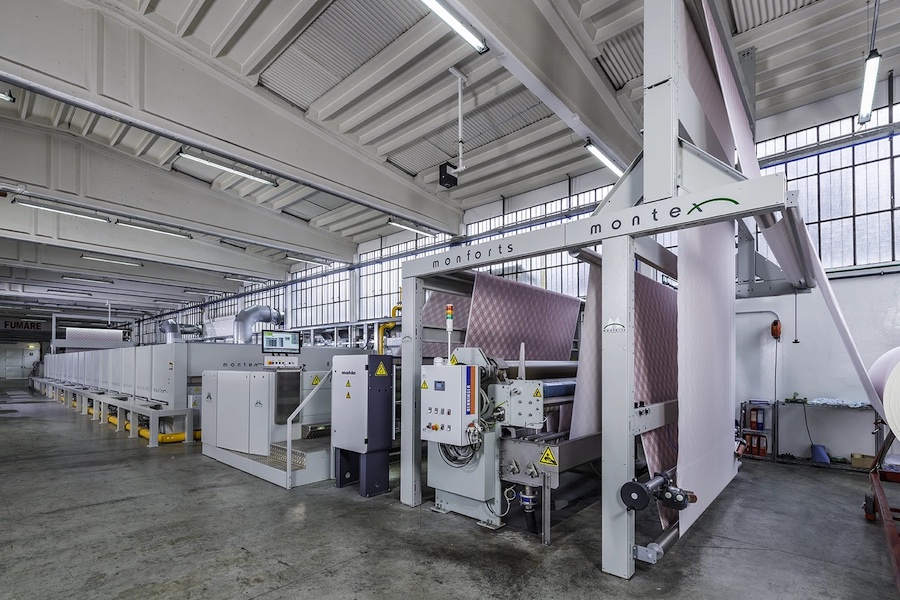
As a valued Monforts customer for many years, Türkiye’s Kipaş Textile has just installed a new Thermex dyeing range and a Monfortex sanforizer at its new dyeing and finishing plant in Kahramanmaraş.

#ITM 2026

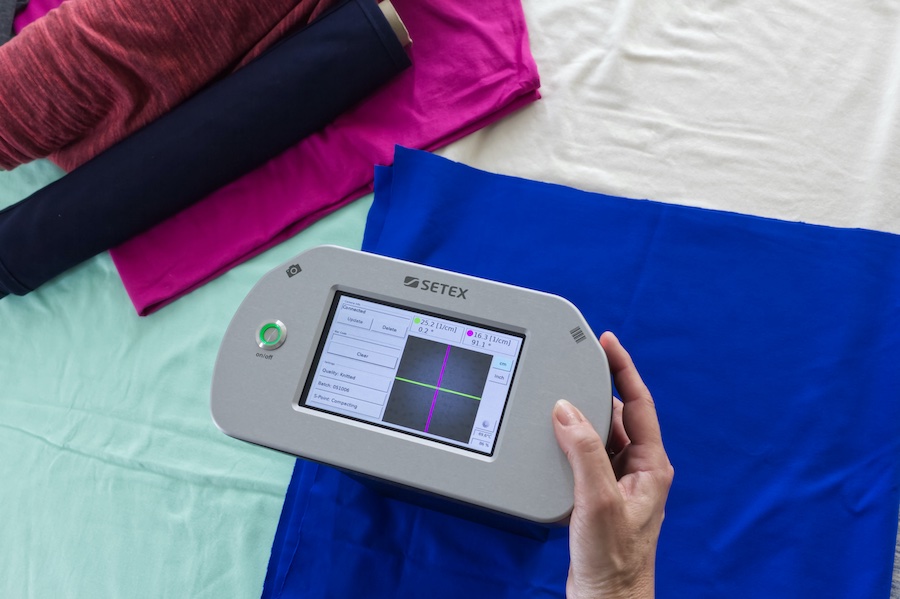
SETEX turns dyeing and finishing data into daily production control

At ITM 2026, SETEX will show how textile mills can use machine, recipe, quality and energy data for more reliable daily production decisions — not as another reporting layer, but as part of the running dyeing and finishing process. With OrgaTEX X3 MES, E390x/C390x controllers, CamCOUNT and FabricInspector Portable, SETEX connects planning, machine execution and fabric-related quality insight within existing mill structures.

#Dyeing, Drying, Finishing

Tradition and Innovation – Phoenox Textiles Ltd. relies on state-of-the-art carpet back-coating line from Brückner

For more than 70 years, Phoenox Textiles Ltd. has been synonymous with quality, reliability, and inno-vation in the textile industry. Founded in 1954 in Huddersfield (Yorkshire, UK), a region with a long tradition in textiles, this family-owned business has continued to evolve without losing sight of its roots. Today, in its fourth generation under the leadership of the Mosley family, Phoenox successfully combines decades of experience with a clear, forward-looking corporate strategy.

#ITM 2026

Monforts sees growing potential for technical textiles in Türkiye

For many years now, Türkiye has been one of the most important markets for textile finishing, coating and continuous dyeing equipment, making ITM 2026 from June 9-13 a key event for Germany’s Monforts. At the Istanbul exhibition at stand 1117D in Hall 11, the company will put the emphasis on its machines which continue to lead the field in conventional dyeing and finishing, and also highlight the strong opportunities for Turkish textile manufacturers in the growing field of technical textiles.

Latest News

#HIGHTEX 2026

The heart of the technical textiles and nonwovens world will beat in Istanbul

Only 1 day remains until HIGHTEX 2026 International Technical Textiles and Nonwovens Exhibition opens its doors. Bringing together manufacturers, technology developers, investors, and industry professionals from around the world, HIGHTEX 2026 is preparing to showcase the innovations shaping the future of the industry. As the countdown to this major event continues, Istanbul is once again getting ready to become the meeting point of the global technical textiles industry.

#Man-Made Fibers

Grasim Industries announces fresh investment of ₹3094 Crore to expand Lyocell capacity

Grasim Industries Limited, the flagship company of the Aditya Birla Group and a global leader in cellulosic fibres, today announced an investment of ₹3,094 crore, for Phase II Lyocell capacity of 110K TPA at Harihar, Karnataka. This expansion will consist of 2 lines of 55K TPA (150 Tons per day) each. The first line is expected to be commissioned by 2028, and the second line is expected to be commissioned by 2030.

#ITM 2026

The future of textiles, the power of trade, and the summit of technology come together at ITM 2026

ITM 2026 International Textile Machinery Exhibition, one of the most prestigious organizations in the textile technologies sector, opens its doors to visitors between June 9-13. Expected to break records in terms of both exhibitor and visitor numbers, as well as the technological vision it presents, ITM 2026 will transform into a global trade hub with machine sales, and new business collaborations.

#Nonwoven machines

ATCO Hygienics, Uzbekistan, orders baby diaper production line from ANDRITZ

International technology group ANDRITZ has received an order from ATCO Hygienics to supply a new baby diaper production line for its plant in Tashkent, Uzbekistan. The order is included in ANDRITZ’s order intake for the first quarter of 2026. Commissioning of the production line is scheduled for the end of 2026.

TOP