[pageLogInLogOut]

#Yarn & Fiber

Hermann Bühler AG are certified to OEKO-TEX® Standard 1000 and OEKO-TEX®

The Swiss Hermann Bühler AG produce yarn for the most discerning customers at the facility in Wintherthur and in a subsidiary factory in Jefferson/USA. The company, whose tradition goes back 200 years, set standards with regard to innovative products, first-rate quality and perfect customer service. Beyond this the yarn manufacturer has had the environmentally friendly and socially responsible production conditions certified to OEKO-TEX® Standard 1000 since 2007 and is also entitled to mark the products with the OEKO-TEX® Standard 100plus label.

Tradition and innovation Tradition and innovation are closely linked at Hermann Bühler AG. ‘The striving for high-quality products has characterised us from the beginning and still remains the key to our successful work. The basis is high and reliable product quality, but uncompromising implementation of new technologies and innovative ideas are an absolute must,’ explains Martin Kägi, CEO. The company have specialised in the processing of American extra long fibre staple Supima® cotton which – mainly due to its high fibre strength – offers ideal preconditions for further processing into products of the highest quality. The fibres used for the production of Micro Modal® Edelweiss and Micro Tencel® yarns are produced by the Austrian company Lenzing AG using exclusively FSC (Forest Stewardship Council) certified wood. These are the finest among all cellulose fibres, featuring versatile functional properties such as perfect moisture management. Yarn mixtures from selected materials such as silk and Micro Modal® Edelweiss allow the production of sophisticated and extra fine yarn for the most beautiful creations. These are used wherever highest quality and exclusivity are required, e.g. in high-quality shirts and blouses, exclusive underwear and nightwear or fine bed linen. Quality and responsibility 3,300 tons of the extensive yarn range are produced by 145 employees in the Swiss canton Zuerich. The 145 employees in the US state Georgia spin 3,700 tons. Numerous yarn qualities which the company supply to many international circular knitting mills, weaving mills and knitting mills are the basic material for a great variety of swiss+cotton® textiles. The yarn range of the company meets the highest requirements not only where product quality is concerned, though, but also in terms of production ecology. As one of the very first companies, Hermann Bühler AG have been documenting the human ecology optimisation of their yarns according to OEKOTEX ® Standard 100 since 1993. Furthermore the company were additionally certified to OEKO-TEX® Standard 1000 in 2007 to confirm the environmentally friendly and  socially responsible production conditions. The OEKO-TEX® Standard 100plus product label gives the company the opportunity to advertise the human ecology optimisation of their products according to OEKO-TEX® Standard 100 as well as their environmentally friendly production processes according to OEKO-TEX® Standard 1000 to their customers with just one test label. These certifications reflect the comprehensive commitment in the areas of environmental protection and sustainability which is firmly rooted in the company philosophy of Hermann Bühler AG. Martin Kägi is convinced that the future belongs to ecologically sound textile products: ‘Products which are harmless from a human ecology point of view are a must today. Manufacturers as well as end customers want safety. They expect the textiles to be tested for harmful substances and certified by an independent authority. That is why nearly all customers in Europa require certification to OEKO-TEX® Standard 100 today. We have even seen an increasing popularity of the OEKO-TEX® Standard in countries overseas such as the USA. Our American subsidiary has been certified to OEKO-TEX® Standard 100 since 2012. ’
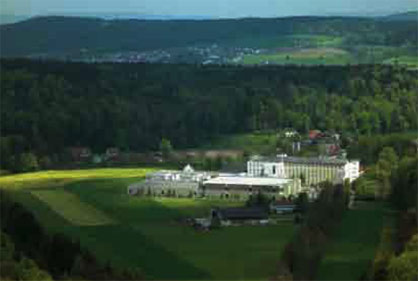
Pic: 145 employees at the Sennhof factory produce around 3,300 tons of yarn each year within the framework of an extensive product range

Sustainability in all areas The concept of sustainability can be seen in all areas and activities of Hermann Bühler AG: ‘It starts with the selection of the fibres used by us and continues with the use of renewable energy sources all the way to short transport routes of the products to our customers in Europe,’ Martin Kägi explains. ‘Beyond this our machinery is constantly being monitored and optimised with regard to yarn quality and productivity. For years we have been employing the revolutionary AirJet spinning method by Rieter which significantly increases the yarn output while reducing energy consumption by up to 30%.’

Hermann Bühler AG are one of the pioneers in the organic cotton business and have been producing yarn from American extra long fibre staple cotton from certified organic farming (kbA) since 1994. The production of the kbA cotton range ‘SwissCotton® Organic’ is completely CO2 free as it uses no fossil fuels. Electricity for this is generated in company-owned, small local hydroelectric power stations which supply around 10 per cent of the total required energy from this regenerative resource. The Rainbow technology developed in-house furthermore allows dyeing without adding salt or sodium carbonate, meaning these substances can be omitted. Martin Kägi is convinced by the many advantages of the technology: ‘Our Rainbow dyeing process noticeably reduces the strain on the environment. The significantly higher dye yield also lets us reduce the required amount of dyestuff, making optimised waste water treatment possible as well. What is more, Rainbow items can be dyed using conventional machines, chemicals and dyes with excellent results.’

With the introduction of the Micro Modal® Edelweiss and Micro Tencel® fibres, Hermann Bühler AG have additionally set standards for environmentally friendly production processes. The Edelweiss technology developed by Lenzing allows chlorine-free, CO2 neutral production from cellulose to fibre. 85 per cent of the energy required for fibre production is generated from the wood waste from cellulose production. Another factor in the positive environmental balance is the renewable raw material (European beechwood) used and a high cellulose yield per area without use of irrigation, fertiliser and pesticides. Bühler is the very first spinning mill to process the new Micro Modal® Edelweiss fibre. The manufacturing process of the Micro Tencel® fibre at Lenzing is also environmentally friendly and economical as it is based on a unique closed circuit of the solvent used. It is recovered to nearly 100 % and the very low remaining emissions are broken down in biological purification plants. For Martin Kägi it is only logical to focus on sustainable measures in production: ‘For consumers it is the high quality of the end product from our yarn that counts, because in the end clothing that lasts longer is also more sustainable.’
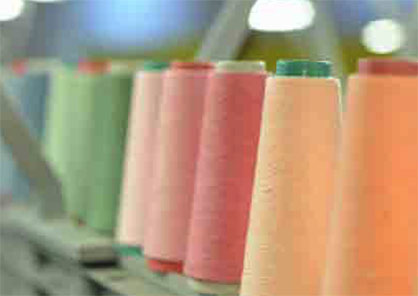
Pic: The yarn range of the company meets the highest requirements not only where product quality is concerned but also in terms of production ecology

More News from Oeko-Tex® Association

#Sustainability

OEKO-TEX® chooses TextileGenesis to advance digital traceability for organic cotton

OEKO-TEX® today announced a full collaboration with TextileGenesis, a Lectra company, to digitally trace and authenticate organic cotton, strengthening fraud prevention across the supply chain. This announcement follows a successful pilot and brings together OEKO-TEX®’s certification expertise and closed testing system with TextileGenesis’ digital traceability platform to deliver a secure, end-to-end solution for managing certified organic cotton flows.

#Sustainability

OEKO-TEX® - New regulations 2025

Fostering trust within the textile and leather industry remains the mission of OEKO-TEX®. Since trust relies on consistently high standards, the OEKO-TEX® Association has released the updated testing criteria, limit values and guidelines for its certifications, based on the latest scientific research and legal developments.

#Sustainability

OEKO-TEX® Annual Report 2023/2024 mentions 50,000+ valid certifications

The international OEKO-TEX® association has continued to demonstrate positive business growth, highlighting the critical role of close collaboration and shared commitment in accelerating sustainable change. More than 35,000 textile and leather companies depend on the certificates and product labels issued by OEKO-TEX®’s independent testing institutes. OEKO-TEX® issued more than 50,000 certificates and labels between July 1, 2023, and June 30, 2024 – an increase of 22% over the previous financial year.

#Sustainability

OEKO-TEX® New regulations 2024

Creating trust within the textile and leather industry and for its customers is the mission of OEKO-TEX®. Since trust is based on consistently high quality, the OEKO-TEX® Association is again publishing updates to the applicable test criteria, limit values and guidelines for its certifications. Based on new scientific findings and legal developments, the OEKO-TEX® Association has published the annual updates to its test criteria, limit values and guidelines.

More News on Yarn & Fiber

#Man-Made Fibers

Grasim Industries announces fresh investment of ₹3094 Crore to expand Lyocell capacity

Grasim Industries Limited, the flagship company of the Aditya Birla Group and a global leader in cellulosic fibres, today announced an investment of ₹3,094 crore, for Phase II Lyocell capacity of 110K TPA at Harihar, Karnataka. This expansion will consist of 2 lines of 55K TPA (150 Tons per day) each. The first line is expected to be commissioned by 2028, and the second line is expected to be commissioned by 2030.

#Yarn & Fiber

Lenzing AG appoints Georg Kasperkovitz as Chief Executive Officer

The Supervisory Board of Lenzing AG has appointed Georg Kasperkovitz, Member of the Management Board and Chief Operations Officer, as Chief Executive Officer (CEO) of Lenzing AG with effect from June 1, 2026.

#Yarn & Fiber

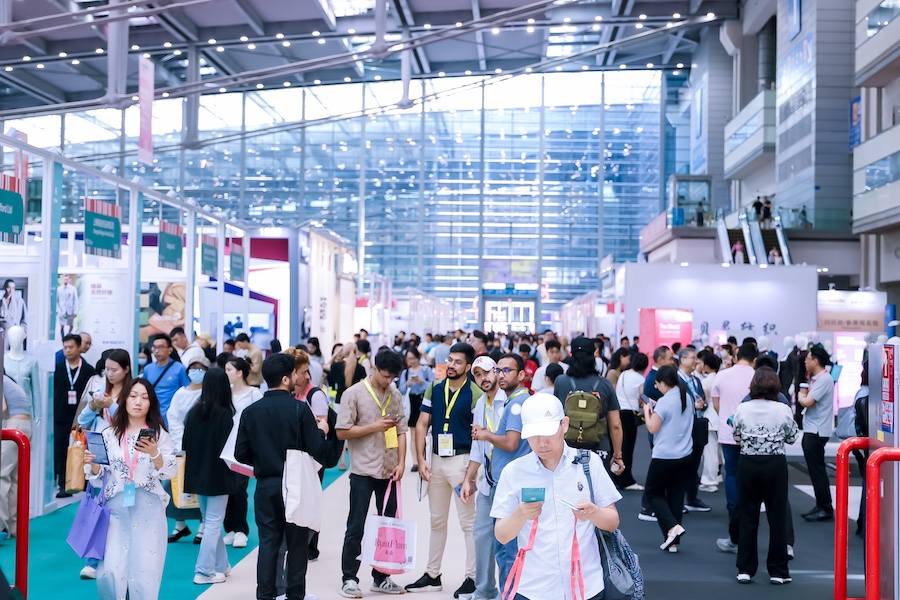
Next week’s focus: Intertextile Shenzhen & Yarn Expo Shenzhen fuse textile tradition with sustainable, digital trends

Fashion will not be left behind in one of the world’s undisputed tech and manufacturing capitals. Which is why next week, at Intertextile Shenzhen Apparel Fabrics and Yarn Expo Shenzhen 2026, the organisers have made special efforts to integrate textile topics such as materials innovation, holistic sustainability, digitalisation and AI. Yet, from 9 – 11 June at the Shenzhen Convention and Exhibition Center, the platform also includes timeless tradition and heritage-inspired evolution in equal measure. Across both shows, over 600 exhibitors from 11 countries and regions are set to showcase everything from Peruvian alpaca wool fabrics to tea-derived fibres, while their fringe programmes will explore diverse solutions along the entire value chain.

#Yarns

From advanced fibres to eco‑focused yarns: Yarn Expo Autumn 2026 set to welcome global industry to Shanghai

From 25 – 27 August, Yarn Expo Autumn 2026 will return to the National Exhibition and Convention Center (Shanghai) to reinforce its role as a key meeting point for the global yarn and fibre industry. With over 22,000 visitors, the previous edition gathered nearly 580 leading exhibitors from 16 countries and regions, showcasing advanced developments and creative applications that support innovative, sustainable textile design. The upcoming edition will not only present an extensive range of fibre and yarn products, but will also feature a comprehensive fringe programme, including industry forums and trend display areas, providing innovative upstream enterprises with a stage to introduce next‑generation materials and sustainable concepts.

Latest News

#Spinning

Barmag and Hitech Automation enter into partnership for an auto-doff system for texturing machines

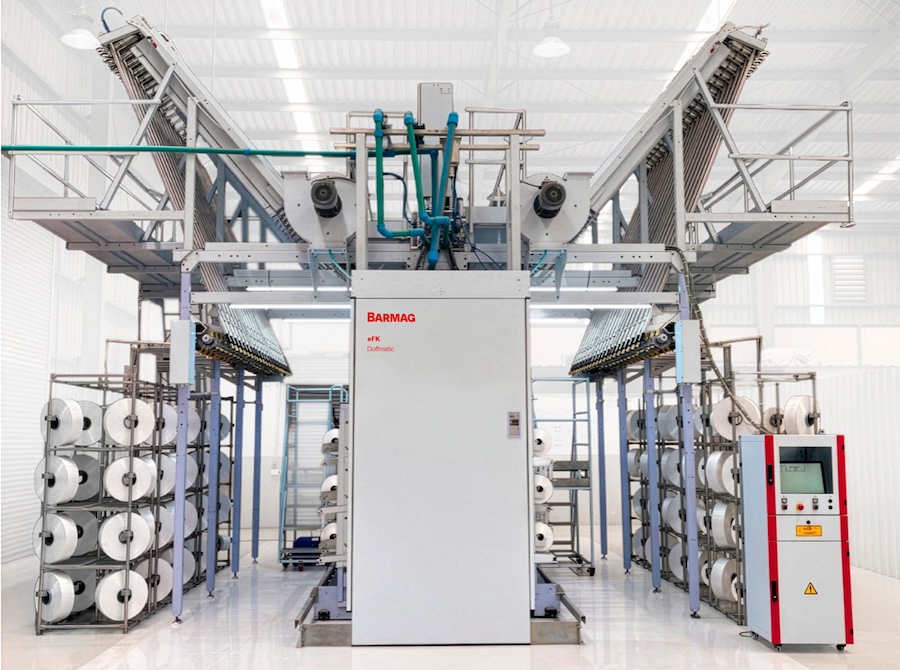
Barmag (Suzhou) Technology Co., Ltd. and Hitech Automation Solutions PVT LTD. of Surat, India, have agreed to an exclusive partnership to jointly market Hitech’s Doffmatic automation solution for Barmag’s proven manual eFK texturing machines. In many texturing facilities, manual doffing processes remain heavily operator-dependent – resulting in issues such as increased scrap, inconsistent quality, and limited productivity.

#ITM 2026

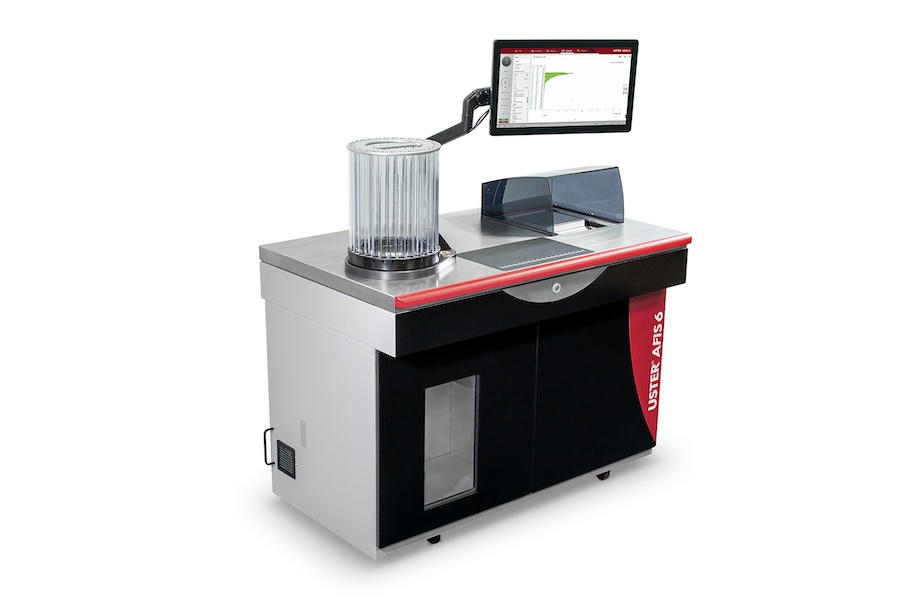
Uster’s new Recycling Opening Index guides spinners to the perfect blend

Uster AFIS 6 now offers the key data for better decisions when blending recycled fibers. Process control is decisive in determining the quality and economic outcome. The new R Recycling Module of AFIS 6 introduces the Recycling Opening Index (ROI), so spinners can optimize their circularity credentials. It was officially launched at ITM 2026 in Istanbul, Türkiye.

#HIGHTEX 2026

The heart of the technical textiles and nonwovens world will beat in Istanbul

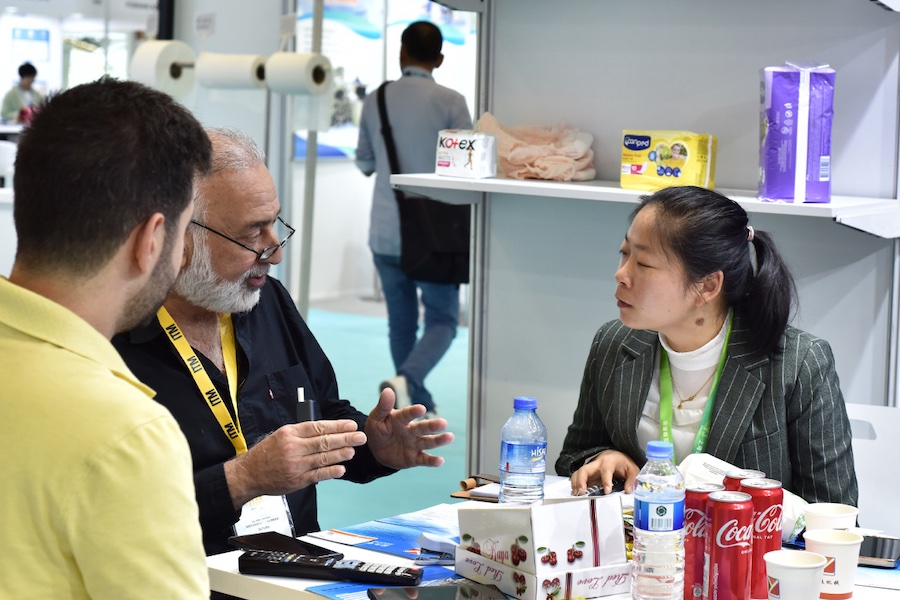
Only 1 day remains until HIGHTEX 2026 International Technical Textiles and Nonwovens Exhibition opens its doors. Bringing together manufacturers, technology developers, investors, and industry professionals from around the world, HIGHTEX 2026 is preparing to showcase the innovations shaping the future of the industry. As the countdown to this major event continues, Istanbul is once again getting ready to become the meeting point of the global technical textiles industry.

#ITM 2026

The future of textiles, the power of trade, and the summit of technology come together at ITM 2026

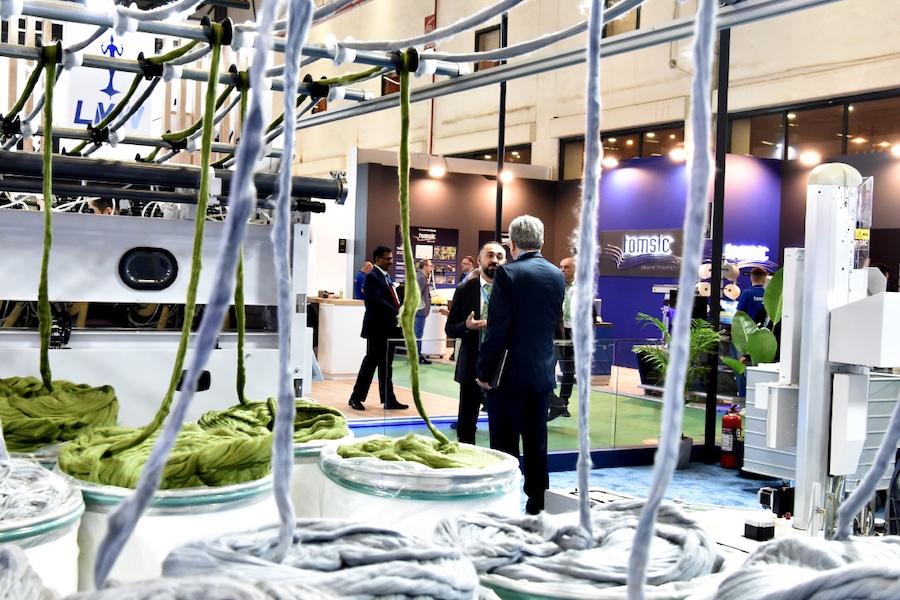
ITM 2026 International Textile Machinery Exhibition, one of the most prestigious organizations in the textile technologies sector, opens its doors to visitors between June 9-13. Expected to break records in terms of both exhibitor and visitor numbers, as well as the technological vision it presents, ITM 2026 will transform into a global trade hub with machine sales, and new business collaborations.

TOP